
" We don't sell the wine without touching the vine "
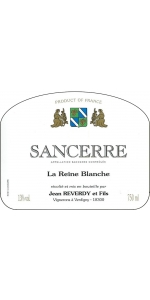
Jean Reverdy Sancerre Blanc is 100% Sauvignon Blanc
Single vineyard. Vinification: cold fermentation in stainless steel tank, no oak, no malolactic fermentation.
Sweet, fruity and clean. White flowers (acacia, jasmine) and citrus fruits aromas. Perfectly balanced.
A delicious wine, perfect with fish dishes, especially salmon, and a local goat cheese Crottin de Chavignol.
Reverdy Jean Sancerre Rose is made from 100 percent Pinot Noir.
Color: Pale salmon pink color
Nose: delicate aromas of roses and orange blossom that will transform into gooseberry and peach blossoms as the temperature in the glass rises.
Mouth: The palate is crisp, lean and elegant, but the flavors are quite persistent with cherry, blackcurrant,apricot and red currant aromas.
According to the Sancerre AOC regulation, maximum yield authorized for the rosé is 55 hl/ha.
Pairs well with poultry and spicy food.
Reverdy Jean Sancerre Rouge is mader from 100% Pinot Noir
The wine is spicy and juicy with cherry aromas, and proves the point that power is not necessary for a fine wine.
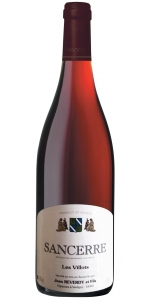
Reverdy Jean Sancerre Rouge Les Villots is made from 100% Pinot Noir
The wine is spicy and juicy with cherry aromas, and proves the point that power is not necessary for a fine wine.
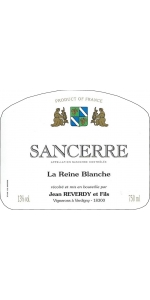
Jean Reverdy Sancerre Blanc is 100% Sauvignon Blanc
Single vineyard. Vinification: cold fermentation in stainless steel tank, no oak, no malolactic fermentation.
Sweet, fruity and clean. White flowers (acacia, jasmine) and citrus fruits aromas. Perfectly balanced.
A delicious wine, perfect with fish dishes, especially salmon, and a local goat cheese Crottin de Chavignol.
Reverdy Jean Sancerre Rouge is mader from 100% Pinot Noir
The wine is spicy and juicy with cherry aromas, and proves the point that power is not necessary for a fine wine.
Reverdy Jean Sancerre Rouge Les Villots is made from 100% Pinot Noir
The wine is spicy and juicy with cherry aromas, and proves the point that power is not necessary for a fine wine.
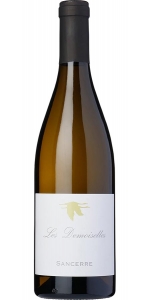
Fleuriet Demoiselles Sancerre Blanc is made from 100 percent Sauvignon Blanc.
The name "Les demoiselles" (translate as "The young ladies"), refers to the beautiful migratory birds (Cranes) that fly over the town of Sancerre twice a year (in the Fall going South to spend the winter in the African continent, and in the Spring going back North to spend the Summer in Northern Europe). These graceful birds offer a unique and impressive show when they sometimes land on the banks of the Loire River. The Fleuriet family wanted to highlight this exceptional grace and express an elegant and refined bouquet in this Sancerre Demoiselles cuvée.
The wine shows a bright yellow color with green highlights, a fruity nose with aromas of white flowers and acacia. Light-medium bodied in the mouth, supple and well structured, its concentration and crisp acidity make it a harmonious and food-friendly wine.
Pairs nicely with fresh goat cheeses, oysters with lemon, grilled lemon chicken breasts and Mexican dishes. Serve these whites at 46 °F (8 °C).
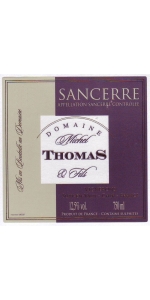
Michel Thomas Sancerre Blanc is 100% Sauvignon Blanc (40% Caillottes, 40% Grosses Terres, 20% Silex)
The wine displays an exotic nose with a touch of smoke and licorice. On the palate, peach and watermelon dominate with citrus zest and chalk notes.
Michel Thomas Sancerre Blanc is 100% Sauvignon Blanc (40% Caillottes, 40% Grosses Terres, 20% Silex)
The wine displays an exotic nose with a touch of smoke and licorice. On the palate, peach and watermelon dominate with citrus zest and chalk notes.
Aged on the lees for a few months (no oak). It goes well with seafood, fish, goats cheese.
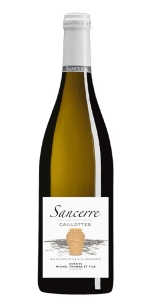
From the caillottes soil type.
A Sancerre fermented and aged in amphorae, straw-colored, with full aromas and a beautiful complexity: grapefruit, honeysuckle, orange blossom and a pinch of curry. A fine sweetness coats an expressive, dynamic and juicy mouth, with a zesty accent. Complete, persistent, its place is at the table, on fish with fennel for example.
A pure expression of Sancerre’s classic terroir. Grown on the appellation’s prized Caillottes soils — shallow, stony limestone mixed with gravel — this Sauvignon Blanc delivers exceptional elegance and vibrancy. The well-draining stones promote deep rooting and early ripening, yielding a wine with bright aromatics of citrus, white peach, fresh herbs, and wet stone. Crisp, lively acidity and a refined, mineral-driven finish make this the quintessential Sancerre — refreshing, aromatic, and perfectly balanced. Ideal as an aperitif or with shellfish, goat cheese, and fresh seafood.
Only 1000 bottles produced.
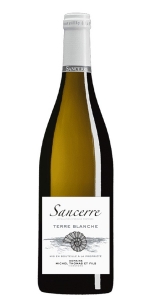
A typical Sancerre with citrus, honey, and flint notes, supple and fragrant. The palate is fresh, with grapefruit and lemon flavors and a pleasant minerality throughout.
Thomas Sancerre Blanc Terre Blanche was fermented in part Oak foudre (Cuve tronconique) and part 400-liter oak barrels for 18 Months.
Pair with grilled fish with lemon sauce, caesar salad with chicken as well during the spring or summer time.
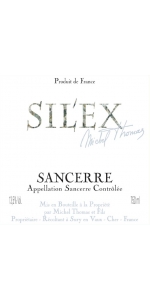
Michel Thomas Sancerre Blanc Silex is 100 percent Sauvignon Blanc.
Intensely aromatic and concentrated Sauvignon from the Silex soils, this is a wine of great concentration and excellent balance. Aromas of fresh herbs, with flavors of citrus, ripe gooseberry, apple and a hint of gunflint. A delicious apéritif and the classic match for goat cheese or asparagus.
The special bottling "Silex" is limited each year to between 400-500 cases. They grow grapes on three soil types: 40% Terre Blanche-Argilo-Calcaire, 40% Caillottes-calcaire, 20% Le Roc-Silex. This wine come from the hardest stone soil on the vineyard giving it pleasant notes of fruit and a very dry flavor: This wine is bottled using traditional methods without filtration, allowing for a authentic and natural taste to the wine.
A delicious apéritif and the classic match for goat cheese or asparagus.
Thomas Sancerre Rose is made from 100% Pinot Noir.
Vines are 20-55 years old.
Terroir (soil type) is a blend of "Caillottes" and "Terre Blanche".
Everything is machine harvested (which means it is 100% destemmed).
50% Direct press + 50% Saignée (bled) with 12-24 hours of skin contact maceration.
The alcoholic fermentation is done in temperature controlled stainless steel tanks.
Right before bottling, the wine is fined with Bentonite (very light filtration with oenologic clay).
Tasting Notes:
Light, bright pink. Redcurrant, strawberry and chalk on the nose, with a touch of singed orange gaining strength with air. Dusty red fruit and citrus flavors are braced by tangy minerality, which adds lift and cut. Uncompromising in the best way, finishing with excellent clarity and echoes of lemon and orange zest.
Food pairings:
This is a very versatile wine. You can have it on its own in the summer time as an apéritif. But it is also excellent with Hors d'Oeuvres and terrines. It will compliment any white meat dish and poultry. You can also enjoy it with salmon or exotic food (slightly spicy sushi).
Thomas Sancerre Rose is made from 100% Pinot Noir.
Vines are 20-55 years old.
Terroir (soil type) is a blend of "Caillottes" and "Terre Blanche".
Everything is machine harvested (which means it is 100% destemmed).
50% Direct press + 50% Saignée (bled) with 12-24 hours of skin contact maceration.
The alcoholic fermentation is done in temperature controlled stainless steel tanks.
Right before bottling, the wine is fined with Bentonite (very light filtration with oenologic clay).
Tasting Notes:
Light, bright pink. Redcurrant, strawberry and chalk on the nose, with a touch of singed orange gaining strength with air. Dusty red fruit and citrus flavors are braced by tangy minerality, which adds lift and cut. Uncompromising in the best way, finishing with excellent clarity and echoes of lemon and orange zest.
Food pairings:
This is a very versatile wine. You can have it on its own in the summer time as an apéritif. But it is also excellent with Hors d'Oeuvres and terrines. It will compliment any white meat dish and poultry. You can also enjoy it with salmon or exotic food (slightly spicy sushi).
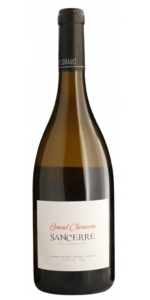
Only 1.5 acre (0.6 hectare) !
Color: light yellow, green highlights
Nose: pleasant citrus and mineral notes
Mouth: a fine wine with a crunchy finish and the same delicious flavors
Classic vinification :
- Soft pressing of the grapes upon arrival (no skin contact maceration)
- Cold settling for 24 hours at low temperature (10°C - 50°F)
- Fermentation in Stainless steel tanks at controlled temperature (17°C - 62°F)
- Ageing on the fine lees for 5 months
- Racking in February
- Cold stabilization followed by a slight filtration
- Bottling.
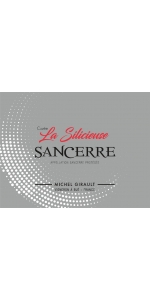
3.7 acres (1.5 hectare) planted.
Color: light yellow
Nose: aromatic wine supported by a beautiful minerality
Mouth: Roundness and a touch of liveliness gives it a nice finish
Classic vinification :
- Soft pressing of the grapes upon arrival (no skin contact maceration)
- Cold settling for 24 hours at low temperature (10°C - 50°F)
- Fermentation in Stainless steel tanks at controlled temperature (17°C - 62°F)
- Ageing on the fine lees
- Racking followed by a slight filtration
- Bottling.
Served at a temperature of 12°C (53°F), it will accompany your white meats, sea fish, shellfish and cheeses.
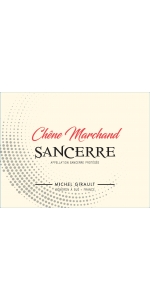
Only 0.27 acre (0.11 hectares) !
Color: light yellow with silvery reflection,
Nose: wine with fine citrus notes
Mouth: Roundness and a touch of liveliness gives it a nice finish
Classic vinification :
- Soft pressing of the grapes upon arrival (no skin contact maceration)
- Cold settling for 24 hours at low temperature (10°C - 50°F)
- Fermentation in Amphora
- Ageing on the fine lees
- Racking followed by a slight filtration
- Bottling.
Served at a temperature of 12°C (53°F), it will accompany your white meats, sea fish, shellfish and cheeses.
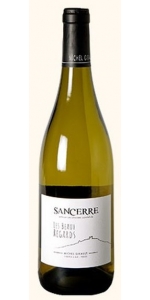
17.3 acres (7 hectares) planted.
Color: clear and brilliant pale gold
Nose: powerful with citrus aromas
Mouth: fruity and citrus aromas
Classic vinification :
- Soft pressing of the grapes upon arrival (no skin contact maceration)
- Cold settling for 24 hours at low temperature (10°C - 50°F)
- Fermentation in Stainless steel tanks at controlled temperature (17°C - 62°F)
- Ageing on the fine lees for 5 months
- Racking in February
- Cold stabilization followed by a slight filtration
- Bottling.

All older vintage wines have been purchased from a single collectors cellar. Pictures can be requested before shipment.
All older vintage wines have been purchased from a single collectors cellar. Pictures can be requested before shipment.
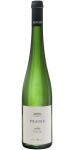
Prager Smaragd Klaus Riesling is made from 100 percent Riesling.
Franz Prager, co-founder of the Vinea Wachau, had already earned a reputation for his wines when Toni Bodenstein married into the family. Bodenstein’s passion for biodiversity and old terraces, coupled with brilliant winemaking, places Prager in the highest echelon of Austrian producers.
Smaragd is a designation of ripeness for dry wines used exclusively by members of the Vinea Wachau. The wines must have minimum alcohol of 12.5%. The grapes are hand-harvested, typically in October and November, and are sent directly to press where they spontaneously ferment in stainless-steel tanks.
Klaus sits adjacent to Achleiten and is one of the Wachau’s most famous vineyards for Riesling. The vineyard is incredibly steep with a gradient of 77% at its steepest point. The southeast-facing terraced vineyard of dark migmatite-amphibolite and paragneiss produces a tightly wound and powerful wine. The parcel belonging to Toni Bodenstein was planted in 1952.
Tasting Notes:
Austrian Riesling is often defined by elevated levels of dry extract thanks to a lengthy ripening period and freshness due to dramatic temperature swings between day and night. “Klaus is not a charming Riesling,” says Toni Bodenstein with a wink. Klaus is Prager’s most assertive and robust Riesling.
Food Pairing
Riesling’s high acidity makes it one of the most versatile wines at the table. Riesling can be used to cut the fattiness of foods such as pork or sausages and can tame some saltiness. Conversely, it can highlight foods such as fish or vegetables in the same way a squeeze of lemon or a vinaigrette might.
Review:
What a stunning example of cool climate riesling. It’s full-bodied and deep, but so cool and delicate, packing in sleek layers of honeysuckle, apricots, lemons and grapefruit married to thyme and crushed rock. So long and seamless, with tension and focus that just keeps going. Sustainable. Try from 2025.
-James Suckling 98 Points
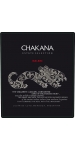
Chakana Estate Malbec is made from 100 percent Malbec.
hakana is the name of the Southern Cross constellation. Its rotation in the sky throughout the year made it an effective agricultural calendar for the ancient Andean people.
The "yaguarete" (jaguar) on the label was known by the ancient Andean people as the "lord of the starred night"; the wildest known animal.
Chakana Estate Malbec is from Chakana's Altamira (3,200 ft elevation) and Gualtallary (5,500 ft elevation) vineyards.
The color is deep purple, very intense, typical of Malbec. Plum, brambly berries, spices and an iris/violet note are apparent on the nose. Intense, fruity flavors with velvety tannins.
Review:



