
" We don't sell the wine without touching the vine "
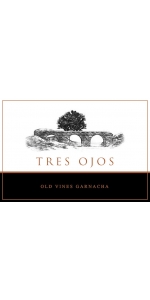
Tres Ojos Garnacha Calatayud is made from 100 percent 85% Old Vine Garnacha (40-50 year old vines) and 15% Tempranillo.
The wine has a brick red color with a bouquet of red raspberries, spice and white pepper. The palate is incredibly concentrated and rich. The modern styles of Garnacha in Spain are continuously being perceived worldwide as wines of extraordinarily good quality. This wine is fruity, juicy and shows a great depth, ripe tannins, length but yet with wonderful elegance and lightness.
The wine ferments for 7 days at 30ºC, followed by 14 days maceration on the skins. Aged 12 months in large stainless steel vats. Cold stabilized and lightly filtered before bottling
Enjoy with sausages, roasted meats, aged cheeses etc.
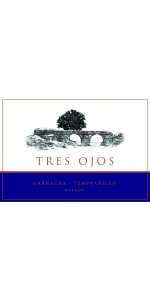
Tres Ojos Rosado Calatayud is fresh, crisp and juicy Rose made of 50% Garnacha and 50% Tempranillo displaying beautiful strawberry and raspberry fruits. Enjoy with salads, chicken or simply with a glass. Serve chilled.
Tres Ojos Rosado Calatayud is fresh, crisp and juicy Rose made of 50% Garnacha and 50% Tempranillo displaying beautiful strawberry and raspberry fruits.
Enjoy with salads, chicken or simply with a glass. Serve chilled.
Tres Ojos Rosado Calatayud is fresh, crisp and juicy Rose made of 50% Garnacha and 50% Tempranillo displaying beautiful strawberry and raspberry fruits.
Enjoy with salads, chicken or simply with a glass. Serve chilled.
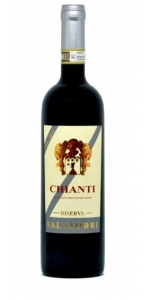
Salvadori Chianti Riserva DOCG 2017 is made from Sangiovese 90% , Merlot 10
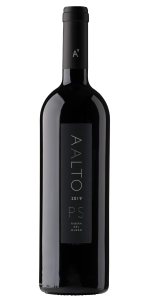
Aalto P.S. Pagos Seleccionados Tinto is made from 100 percent Tempranillo.
Climatic conditions
The farming year began with a mild autumn and little precipitation. A very dry winter started with -9ºC reaching at the end higher temperatures than normal for that time of the year. Spring and summer characterized by little rain, only some rain showers in July and late August avoided the hydric stress of the vines. The vegetative cycle of the vine developed with big variations of temperatures, alternating warm and atypical low temperatures of 4ºC for mid-June. The ripening of the grapes happened under very good conditions and the harvest started on 24th September 2019.
100% Tinto Fino (Tempranillo) primarily from very old vines – 60 to 90 years old – from selected plots in La Horra and La Aguilera. The harvest was done by hand, in small boxes of 15 kilos that are thoroughly inspected, bunch by bunch, on the selection table.
Tasting notes
Review:
Color: dark cherry, Aroma: toasty, spicy, fine cocoa, black fruit, Mouth: tasty, toasty, fine bitterness, ripe tannins
Guia Penin 94 Points
Aalto P.S. Pagos Seleccionados Tinto is made from 100 percent Tempranillo.
Climatic conditions
The farming year began with a mild autumn and little precipitation. A very dry winter started with -9ºC reaching at the end higher temperatures than normal for that time of the year. Spring and summer characterized by little rain, only some rain showers in July and late August avoided the hydric stress of the vines. The vegetative cycle of the vine developed with big variations of temperatures, alternating warm and atypical low temperatures of 4ºC for mid-June. The ripening of the grapes happened under very good conditions and the harvest started on 24th September 2019.
100% Tinto Fino (Tempranillo) primarily from very old vines – 60 to 90 years old – from selected plots in La Horra and La Aguilera. The harvest was done by hand, in small boxes of 15 kilos that are thoroughly inspected, bunch by bunch, on the selection table.
Tasting notes
Review:
Lots of depth here, with ripe blackberries and some nicely baked black cherries, roasted herbs, incense, dark spices, mussels and a balsamic tinge. An admirably fine dollop of tannins on the palate, which are immaculate and juicy, as they thoroughly dunk into the black fruit, melting into a persistent finish that lasts for over a minute. Very impressive. Drink or hold.
-James Suckling 96 Points
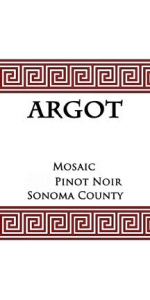
Argot Mosaic Pinot Noir is made from 100 percent Pinot Noir.
Sourced from both high-elevation and valley floor vineyards, located in the cool-climate AVAs of Sonoma Mountain, Bennett Valley and Petaluma Gap. A drama-free growing season allowed for a leisurely harvest of perfectly ripe, healthy fruit. Low-stress, clean ferments, led to an exceptionally pure Pinot Noir, laden with fruit, earth and spice.
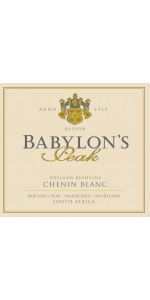
Babylons Peak Chenin Blanc is made from 100 percent Chenin Blanc.
Babylon's Peak winery, situated on the highest weathered granite slopes of the Paardeberg Mountain, is privately owned by the Basson family who has passed down the tradition, passion and art of winemaking over four generations. Predominantly low-yield dryland bushvines are selected to produce these excellent wines with distinctive character.
The Chenin Blanc grapes were picked from very old dryland bushvine vineyards. The vineyard grows on weathered granite soils, contributing to the flavor of the grapes and mineral character of the wine. Production is limited to 5 tons/ha.
The grapes were harvest by hand at 22.1°B. The grapes were destalked and lightly crushed. Only the first 450 litres free-run juice per ton were fermented in stainless steel tanks at a cold temperature (10-12°C) for 21 days. The wines was left on the fermentation lees until bottling.
A crisp, fresh and fruity Chenin Blanc from low-yield dryland bushvines.
Pairs with salads, seafood, chicken and other light dishes. The perfect wine for every occasion.
Babylons Peak Chenin Blanc is made from 100 percent Chenin Blanc.
Babylon's Peak winery, situated on the highest weathered granite slopes of the Paardeberg Mountain, is privately owned by the Basson family who has passed down the tradition, passion and art of winemaking over four generations. Predominantly low-yield dryland bushvines are selected to produce these excellent wines with distinctive character.
The Chenin Blanc grapes were picked from very old dryland bushvine vineyards. The vineyard grows on weathered granite soils, contributing to the flavor of the grapes and mineral character of the wine. Production is limited to 5 tons/ha.
The grapes were harvest by hand at 22.1°B. The grapes were destalked and lightly crushed. Only the first 450 litres free-run juice per ton were fermented in stainless steel tanks at a cold temperature (10-12°C) for 21 days. The wines was left on the fermentation lees until bottling.
A crisp, fresh and fruity Chenin Blanc from low-yield dryland bushvines.
Pairs with salads, seafood, chicken and other light dishes. The perfect wine for every occasion.
-150x300.jpg "Bachelet Bertrand Maranges Blanc Premier Cru Fussiere 2023")
Bertrand Bachelet Maranges Blanc 1er Cru La Fussiere is made from 100 percent Chardonnay.
The Maranges appellation is the youngest of the Côte de Beaune family, making its debut in May 1989. It spans three villages, namely Dezize-lès-Maranges, Cheilly-les-Maranges and Sampigny-les-Maranges. Several hills and slopes make up this appellation, all south/south-east-facing, at an altitude of between 200 and 400 metres. The Maranges 1ers Crus are spread over seven distinct villages.
'La Fussière' is the main village of the Maranges appellation and is located in the Cheilly and Dezize-les-Maranges areas.
This wine has a pale gold robe, with plenty of sparkle. At first, the nose evokes notes of white flowers, like acacias, then the second nose delivers a flinty, slightly buttery aspect. Plenty of versatility and subtlety on the palate, with floral notes.
A good accompaniment to a cold starter or fish. Try with a slightly sharp hard cheese, such as Cantal or Gouda, to draw out its natural vivacity.
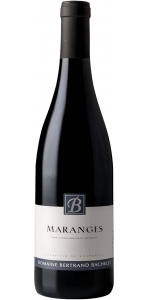
Bertrand Bachelet Maranges Rouge is made from 100 percent Pinot Noir.
The Maranges appellation is the youngest of the Côte de Beaune family, making its debut in May 1989. It spans three villages, namely Dezize-lès-Maranges, Cheilly-les-Maranges and Sampigny-les-Maranges. Several hills and slopes make up this appellation, all south/south-east-facing, at an altitude of between 200 and 400 metres. The Maranges 1ers Crus are spread over seven distinct villages.
'La Fussière' is the main village of the Maranges appellation and is located in the Cheilly and Dezize-les-Maranges areas.
When young, ideal with meat such as a rib of beef or filet mignon; when aged, it pairs wonderfully with dishes in spicy sauces.
Bertrand Bachelet Maranges Rouge is made from 100 percent Pinot Noir.
The Maranges appellation is the youngest of the Côte de Beaune family, making its debut in May 1989. It spans three villages, namely Dezize-lès-Maranges, Cheilly-les-Maranges and Sampigny-les-Maranges. Several hills and slopes make up this appellation, all south/south-east-facing, at an altitude of between 200 and 400 metres. The Maranges 1ers Crus are spread over seven distinct villages.
'La Fussière' is the main village of the Maranges appellation and is located in the Cheilly and Dezize-les-Maranges areas.
When young, ideal with meat such as a rib of beef or filet mignon; when aged, it pairs wonderfully with dishes in spicy sauces.
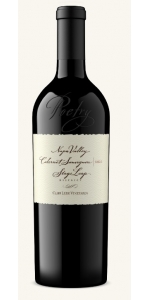
Review:
“The medium-bodied palate is so tightly wound at this youthful stage, slowly revealing layer upon layer of fragrant black and red fruits with loads of mineral sparks, supported by beautifully fine-grained yet firm tannins and seamless acidity, finishing with epic length and a whole firework display of mineral and floral notes. This is gorgeous. ” Lisa Perrotti-Brown, The Wine Independent 100 Points
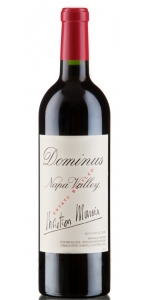
Dominus Napa Valley Red Blend is made from 88% Cabernet Sauvignon, 7% Cabernet Franc, 5% Petit Verdot.
The historic Napanook Vineyard, a 124-acre site west of Yountville, was planted in 1838. This vineyard was the source of fruit for some of the finest Napa Valley wines. Estate-bottled in the spirit of the Bordeaux châteaux, Dominus Estate is dry-farmed to allow natural stress and good concentration of fruit. Grape clusters are crop-thinned to allow sun and air to pass in between, helping to achieve full maturation and soften the tannins. Only 20% to 40% new French oak barrels are used in order to limit the extraction of oak notes. To express the unique terroir, the classic Bordeaux grape varietals of Cabernet Sauvignon, Merlot, Cabernet Franc and Petit Verdot are planted with different root stocks best suited for the varying soil composition of gravel, heavy clay and loam.
Reviews:
One of the legendary Dominus, the 2021 Cabernet Sauvignon is unquestionably in the same league as the 2018, 2016, 2015, 2013, 2010, and 1991, and to my mind, wine simply doesn't get any better. Sporting a dense purple hue as well as an incredible perfume of blackcurrants, crushed stone, cedar pencil, smoke tobacco, and baking spices, it s rich, full-bodied, and voluptuously textured, with ripe yet building tannins. It reminds me slightly of the 2010 (maybe the 2013), and I suspect it will have a similar evolution. Hide bottles for 7-8 years, and it will evolve gracefully for 30+ years. Hats off to the team of Christian Moueix and director Tod Mostero.
Jeb Dunnuck 100 Points
Dominus Napa Valley Red Blend is made from 88% Cabernet Sauvignon, 7% Cabernet Franc, 5% Petit Verdot.
The historic Napanook Vineyard, a 124-acre site west of Yountville, was planted in 1838. This vineyard was the source of fruit for some of the finest Napa Valley wines. Estate-bottled in the spirit of the Bordeaux châteaux, Dominus Estate is dry-farmed to allow natural stress and good concentration of fruit. Grape clusters are crop-thinned to allow sun and air to pass in between, helping to achieve full maturation and soften the tannins. Only 20% to 40% new French oak barrels are used in order to limit the extraction of oak notes. To express the unique terroir, the classic Bordeaux grape varietals of Cabernet Sauvignon, Merlot, Cabernet Franc and Petit Verdot are planted with different root stocks best suited for the varying soil composition of gravel, heavy clay and loam.
Reviews:
One of the legendary Dominus, the 2021 Cabernet Sauvignon is unquestionably in the same league as the 2018, 2016, 2015, 2013, 2010, and 1991, and to my mind, wine simply doesn't get any better. Sporting a dense purple hue as well as an incredible perfume of blackcurrants, crushed stone, cedar pencil, smoke tobacco, and baking spices, it s rich, full-bodied, and voluptuously textured, with ripe yet building tannins. It reminds me slightly of the 2010 (maybe the 2013), and I suspect it will have a similar evolution. Hide bottles for 7-8 years, and it will evolve gracefully for 30+ years. Hats off to the team of Christian Moueix and director Tod Mostero.
Jeb Dunnuck 100 Points
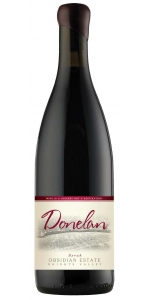
Obsidian Vineyard Syrah is bathed in terroir. The vines experience severe stress, pushing the roots ever deeper through rock in search of water, producing miniature clusters of intense power. Given the wine’s natural propensity for tannin, we take extreme care in the cellar to chisel/whittle its rough edges and leave room for richness to flatter its distinctive scaffold. The mid-palate supports flavors of roasted coffee beans, sarsaparilla, and dark chocolate. The finish marches on long after most wines have tired.
Our estate vineyard — the six-acre Obsidian Vineyard in the Knights Valley AVA — has an incredibly complex soil structure. It takes its name from a layer of volcanic obsidian rock that was discovered when we drilled for water.
Chocolate ganache, black currants, fig, graphite, and an expansive mouthfeel.
Review:
"Joe Donelan believes his Obsidian Vineyard is one of the world’s greatest sites for Syrah. I’ve visited the site twice, and can say candidly it certainly sits among the most striking vineyards I've ever laid eyes on within the U.S. It sits like a rock on a promontory—two switchbacks to reach the top—and the stones under the top soil, quite literally, never stop emerging from the ground. The place has an ancient, almost sacred, temple-like feel. It is consistently swept by afternoon breezes. The vineyard was replanted in 2017 after fires ravaged it. Winemaker David Milner laid out the site at denser spacing than before, at 2,000 vines per acre to keep yields per vine low while still achieving sensible tonnage, averaging around three tonnes per acre. Viognier was planted for co-fermentations, alongside some Cabernet Sauvignon, for a single vineyard bottling of that grape. ‘God put on his viticultural hat when he designed this site,’ says Milner. The vineyard is planted with ENTA 174, 877, and Alban 1 clones, along with Donelan Heritage selections certified virus-free. The wine, the 2023 vintage release (the first from the new vines), was aged for 21 months in 36% new oak and co-fermented with 1.8% Viognier, using 32% whole clusters. And it is positively gorgeous: composed of nine different blocks, each fermented separately, then assembled through sequential blending, with no racking until bottling. From just five-year-old vines, this wine is utterly extraordinary—something oddly achievable from young vines on rare occasion. I tasted this wine from the same bottle over three days. While the high-toned espresso-bean and cedar accents are present at first pull of the cork, they mellow out a day later, and the fruit profile is so vibrant. This is the sign of an excellent wine. I first tasted wines from the Donelan’s Obsidian Vineyard years ago at Tasting Panel Magazine in the late, great Anthony Dias Blue’s office. Cushing Donelan showed the wines, and to this day, I recall the first moment I put my nose into a glass of Obsidian Syrah. In early January of 2026, as I nosed this brand new release of Obsidian Syrah, I was transported straight back to that tasting twelve years ago. What’s remarkable is that the aromatics are unmistakably the same, yet from these new, more densely planted vines, the aromas are more refined—precision-farmed wines from young vines delivering a level of detail and poise that feels beyond their years. So what’s in the glass? Pure red, black, and blue fruit nuances layered with tobacco, white truffle character, violet pastille, and an intoxicating perfume. White pepper notes emerge on the medium- to full-bodied palate, framed by velvety tannins. Iron-like and crushed slate minerality underpins dazzling black cherry and blackberry fruit, brown spices, and blood orange richness. There’s a velvety, iron-fist quality here that exudes polish, complexity, and undeniable quality. You want to drink it now—and you absolutely can—but it will also reward time in the cellar. Either way, you’ll be utterly wowed. And when you realise the price is under £100, the achievement becomes even more staggering. As these vines mature, what will become of them in subsequent vintages? I suspect that as the vines mature, they'll go in and out of phases, but so long as Mother Nature cooperates, I expect this wine to continue to dazzle each vintage. - Jonathan CRISTALDI"
Decanter (January 5th 2026), 100 points
This is the first vintage of the Obsidian Syrah after wildfires torched the vineyard in 2017, leading to significant redevelopment. Throughout all those years, the Donelans have exhibited remarkable patience and a clear sense of purpose. This is their reward: a truly magnificent, towering wine of the highest level.
Knights Valley is one of the most magical grape-growing districts in the United States, but it is not very well known because only a few estate wineries are located there.
The 2023 Syria Obsidian Estate is one of the most profound, moving wines I have tasted in Sonoma County. Blackberry, gravel, incense, chocolate, lavender, and dried herbs race out of the glass. Delicate yet powerful, the 2023 is spectacular. It is also very fairly priced in today’s market.
Vinous 100 Points
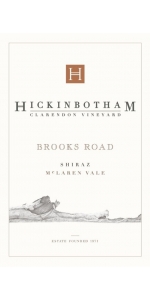
Hickinbotham Brooks Road Shiraz is made from 100 percent Shiraz.
After the hand-picked Shiraz clusters were delivered from high country (210-230 meters) by Viticulturer Michael Lane, the winemaker destemmed and sorted the whole berries into open fermenters. The cold soak was four days, the skins plunged three times daily, and the minimum time on skins was eighteen days. The wine was then basket pressed; its free run and pressings kept separate. To minimize filtration at bottling, three rack-and-returns were conducted over fifteen months as the wine seasoned in a mixture of Burgundy-coopered barrels.
This Shiraz shows the characters this vineyard has displayed since the start, but perhaps in a more elegant, harmonious and balanced form. Its consistency is comforting and reassuring, buttressed by blue and black fruit notes throughout. It is readily enjoyable but has all the structure, acid and tannin to offer decades of rewards from cellaring.
Review:
A rich, succulent mix of dark chocolate, spiced plum, wild blackberry and black licorice notes. Showcases both power and elegance, with chai, cigar box, violets and dried sage notes, velvety and generous, on the long, generous finish. Drink now through 2035. 1,900 cases made, 370 cases imported
-Wine Spectator 95 Points
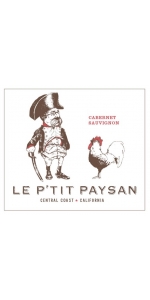
Ptit Paysan Cabernet Sauvignon is made from 91% Cabernet Sauvignon, 6% Petite Verdot, 3% Cabernet Pfeffer.
Oak: 11 months on lees in neutral barrels
The Cabernet Sauvignon is sourced from a vineyard at the foot of the Santa Cruz Mountains west of Morgan Hill, which grows in a mix of granitic and volcanic soils, and a 25-year-old vineyard east of Gilroy, which grows in deep, extremely sandy soils against the foothills of the Diablo Range. The Petite Verdot is sourced from the Paicines AVA and grows in rocky alluvial deposits above the Tres Piños Arroyo. All three vineyards experience the warm days and cold nights typical of the Central Coast, allowing these late ripening Bordeaux varieties to be picked at high acidity and moderate sugars.
Le P'tit Paysan offers intense blackberry, dark cherry aromas, chocolate, herbaceous and toasty notes on the palate. Medium-bodied, well-balanced with moderate and integrated tannins that give structure and liveliness to the wine.
Pairs well with steak, duck, game, hearty stews, ribs, and dark, rich sauces.
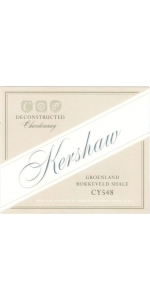
Kershaw Chardonnay Deconstructed Groenland Shale CY548 is made from 100 percent Chardonnay.
The inspiration for this Chardonnay stems from my belief that the Elgin region has both a signature grape as well as particular terroirs within its demarcated boundary that reflect regional credentials. This Chardonnay was selected from a sub-region of Elgin from a specific vineyard and an individual clone (CY548).
Tasting Notes:
Sourced from the foothills of the Groenland Mountain in Northern Elgin this clone has been taken from Corton Charlemagne cuttings. It produces wines that have aromatics oscillating between lemon blossom, white flowers, petrichor and struck stone. Full in body they exude concentration with white stone fruit yet reinforced with an austere texture and robustness that makes for excellent aging potential. The Bokkeveld Shales adds structure and concentration to the flavor.
Vineyards:
Sourced from the foothills of the Groenland Mountain in Northern Elgin this clone has been taken from Corton Charlemagne cuttings.
Winemaking:
Grapes were hand-picked in the early autumnal mornings, placed into small lug baskets and tipped directly into a press before being gently whole-bunch pressed up to a maximum of 0.6 bar or until a low juice recovery of 580 liters per ton was obtained. The juice gravity-flowed directly to barrel (no pumps were used at all) without settling. The unclarified juice had no enzymes or yeast added to it and therefore underwent spontaneous fermentation until dry, with malolactic discouraged. The wine rested in barrel for 4 months prior to judicious sulfuring and a further 7 months’ maturation in barrel before racking and bottling.
Barrel: Selection: A small number of artisanal coopers are selected from mostly Burgundy, with only French oak was chosen. Up to 40% of the oak is new with the remainder split into 2nd and 3rd fill barrels of predominantly 228 litres.
Look at pairing this with textured fish, straightforward chicken dishes, pan-fried or grilled pork dishes, soft-rind cheeses, cream or creamy dishes be it with pasta or the aforementioned fish, chicken or pork, to allow the complexity of the wine to shine through. If using mustard, preferably use Dijon mustard as it uses verjus (soured grape juice) and not vinegar. Also look to delicate herbs (tarragon, dill, basil, parsley) rather than hard stalked herbs (rosemary, thyme, oregano, etc). Avoid smoked meats or fish as well as highly spiced dishes as this can overwhelm the wine and clash with the oak. I would try oysters; Lobster grilled or boiled but not thermidor as it is too rich; turbot, dover sole, sea bass, yellowtail with a shellfish sauce; fish pie; roasted free-range chicken with tarragon; roast loin of pork with garlic and ginger; truffle risotto; pasta in a clam sauce; slice of brie de meaux.
Review:
"Perfume of flowers, minerals and citrus zest. The palate is dense and focused, almost chewy with an opulent mandarin mid palate and long, savory finish. Matured in 50% new oak that is seamlessly integrated with the wine."
- International Wine Review (Richard Kershaw Lifts Elgin To New Heights, February 2019), 94 pts

All older vintage wines have been purchased from a single collectors cellar. Pictures can be requested before shipment.
From the caillottes soil type.
A Sancerre fermented and aged in amphorae, straw-colored, with full aromas and a beautiful complexity: grapefruit, honeysuckle, orange blossom and a pinch of curry. A fine sweetness coats an expressive, dynamic and juicy mouth, with a zesty accent. Complete, persistent, its place is at the table, on fish with fennel for example.
A pure expression of Sancerre’s classic terroir. Grown on the appellation’s prized Caillottes soils — shallow, stony limestone mixed with gravel — this Sauvignon Blanc delivers exceptional elegance and vibrancy. The well-draining stones promote deep rooting and early ripening, yielding a wine with bright aromatics of citrus, white peach, fresh herbs, and wet stone. Crisp, lively acidity and a refined, mineral-driven finish make this the quintessential Sancerre — refreshing, aromatic, and perfectly balanced. Ideal as an aperitif or with shellfish, goat cheese, and fresh seafood.
Only 1000 bottles produced.




