
" We don't sell the wine without touching the vine "
| Country: | Spain |
| Region: | Rueda |
| Winery: | Palacio de Bornos |
| Grape Type: | Verdejo |
| Vintage: | 2012 |
| Bottle Size: | 750 ml |

SALE
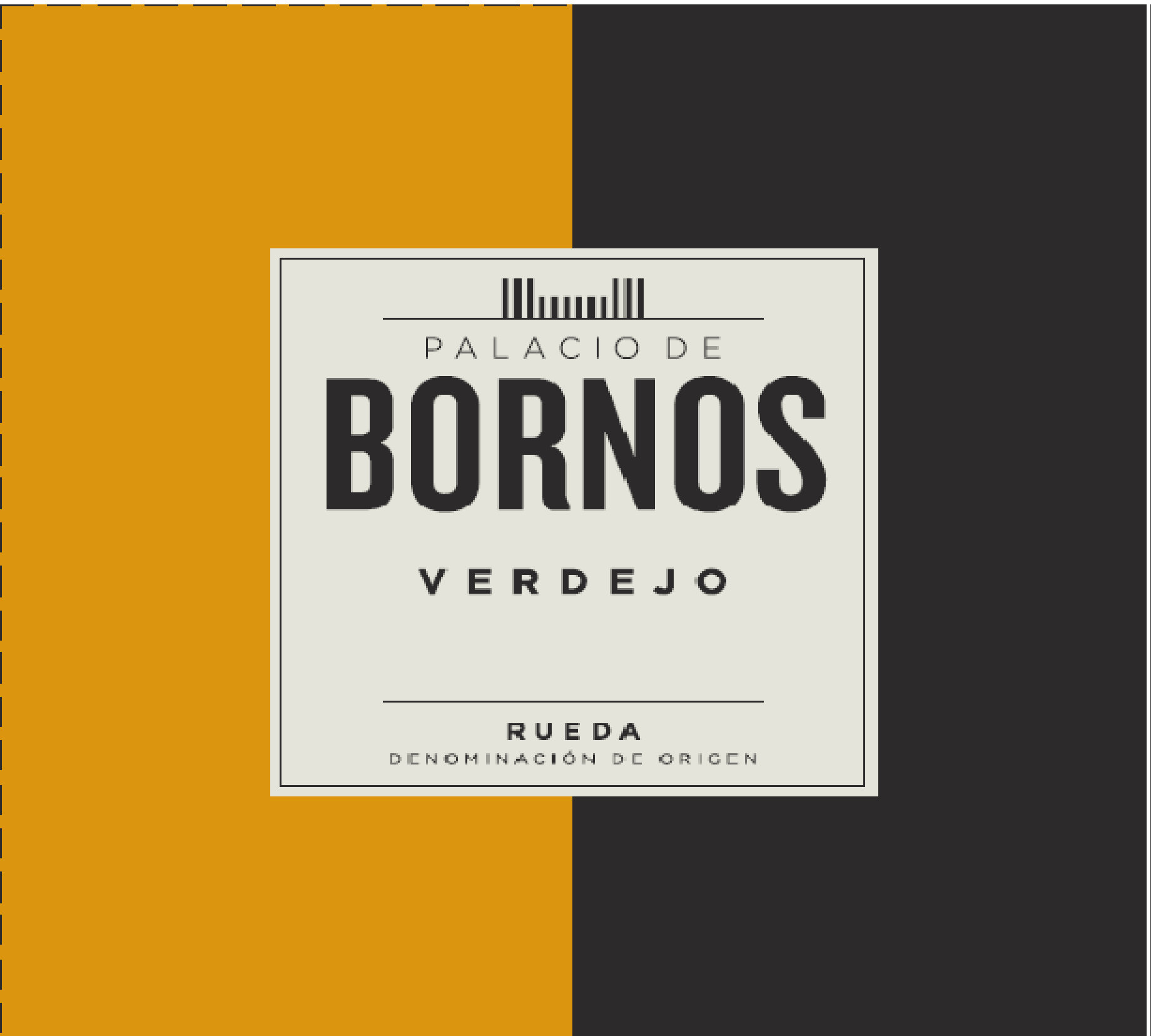
Palacio de Bornos Verdejo Rueda is made from 100% Verdejo.
Mechanical and manual harvest. Fermentation takes place in stainless steel tanks at controlled temperature of 15-16º C for 18 to 20 days. Cold stabilization, filtration. Clay and limestone with small round stones.
Straw-like yellow color with fresh green tones.
Hugely aromatic, with tropical fruit, tangerine, lemongrass and lemon thyme. Fruity notes with anise and minerals, typical of the Verdejo grape. Full in the mouth, well structured, dense and persistent with a lingering aftertaste. The wine has great length and a delicious mouth-filling richness, and finished with a precise acid cut.
As a light aperitif, ideal at any time of the day, with a tapas or small snack, with Pasta al Pesto, Mousse of Tuna fish and lime..
Enjoy with everything from sushi to spicy Cajun shrimp!

Pale Yellow color with fresh green tones.
Very aromatic, with citrus, tropical fruit, tangerine, lemongrass and lemon thyme. Fruity notes with anise and minerals, typical of the Verdejo grape. Fresh in the mouth, the wine is slightly fizzy, with an excellent balance between acidity and sweetness.
100% Verdejo from the Rueda region.
Vine density: 2,222 vines per hectares
Yield: 9,000 kilos per hectares
Machine harvested
Selected yeast
Fermentation lasts between 6 and 8 days.
Total Acidity: 6.8 g/liter
Pairs with appetizers, dessert or light meal.

Palacio del Burgo Rioja Reserva is made from 85% Tempranillo, 10% Garnacha & 5% Carignan.
Red ruby color; black pepper and vanilla flavors and some mature black fruit taste too. Well-balanced, well-structured and elegant in mouth displaying some splendid taste of fruit and bouquet too.

Palacio del Burgo Crianza is made from 90% Tempranillo & 10% Graciano
Palacio de Burgo's Crianza blends the concept of the intense fruity young wines traditionally made in Rioja and the old world wine making style that has made the region famous. The result is a complex wine that impresses for its intensity right from the moment it is poured in the glass.-Mike Good, Timeless Wines
Alcoholic fermentation in stainless steel vats at controlled temperature; aged in American oak barrels for 12 months.
Red ruby colored wine with violet tones; well-balanced, black fruit, vanilla and coconut flavors. Powerful, complex and silky smooth…classic old style Rioja at a bargain price.
Pairs well with aged cheeses and grilled meats
(aged for a year in new and used American oak barrels) Brilliant violet color. Fragrant, oak-spiced dark berries, cherry preserves and a hint of candied flowers on the nose. Blends depth and energy smoothly, offering ripe boysenberry, cherry-cola and coconut flavors and a touch of smokiness. Closes spicy, broad and long, with smooth tannins and lingering florality. - Josh Raynolds"
- Antonio Galloni's Vinous (February 2019), 90 pts
You would be happy to open this, even if oak dominates the nose. It's a lovely wine with cassis and bramble and a long, smoky finish."
- 2018 Decanter World Wine Awards, 90 pts, SILVER MEDAL
Palacio del Burgo Crianza is made from 90% Tempranillo & 10% Graciano
Palacio de Burgo's Crianza blends the concept of the intense fruity young wines traditionally made in Rioja and the old world wine making style that has made the region famous. The result is a complex wine that impresses for its intensity right from the moment it is poured in the glass.-Mike Good, Timeless Wines
Alcoholic fermentation in stainless steel vats at controlled temperature; aged in American oak barrels for 12 months.
Red ruby colored wine with violet tones; well-balanced, black fruit, vanilla and coconut flavors. Powerful, complex and silky smooth…classic old style Rioja at a bargain price.
Pairs well with aged cheeses and grilled meats
Review:
"A fruity and easy red with cherries, lemon rind and berries. Medium body. Drink now."
- James Suckling (August 2021), 91 pts
Palacio del Burgo Crianza is made from 90% Tempranillo & 10% Graciano
Palacio de Burgo's Crianza blends the concept of the intense fruity young wines traditionally made in Rioja and the old world wine making style that has made the region famous. The result is a complex wine that impresses for its intensity right from the moment it is poured in the glass.-Mike Good, Timeless Wines
Alcoholic fermentation in stainless steel vats at controlled temperature; aged in American oak barrels for 12 months.
Red ruby colored wine with violet tones; well-balanced, black fruit, vanilla and coconut flavors. Powerful, complex and silky smooth…classic old style Rioja at a bargain price.
Pairs well with aged cheeses and grilled meats
Palacio de Bornos Rueda Verdejo 2012 is made from 100% Verdejo.
Pale yellow. Ripe orchard and pit fruits on the fragrant nose and in the mouth. Plump and open-knit, with good finishing punch and a refreshing note of bitter pear skin.-Stephen Tanzer's International Wine Cellar 88 Points
Mechanical and manual harvest. Fermentation takes place in stainless steel tanks at controlled temperature of 15-16º C for 18 to 20 days. Cold stabilization, filtration.
Clay and limestone with small round stones.
Straw-like yellow color with fresh green tones.
Hugely aromatic, with tropical fruit, tangerine, lemongrass and lemon thyme. Fruity notes with anise and minerals, typical of the Verdejo grape. Full in the mouth, well structured, dense and persistent with a lingering aftertaste. The wine has great length and a delicious mouth-filling richness, and finished with a precise acid cut.
As a light aperitif, ideal at any time of the day, with a tapas or small snack, with Pasta al Pesto, Mousse of Tuna fish and lime..
Enjoy with everything from sushi to spicy Cajun shrimp!
The Palacio de Bornos Estate
The winery was founded and began elaborating wine in 1870 in the town of La Seca, alongside the Appelation of Origin Rueda. In the late nineteenth century, its wines were well known throughout Castilla, expanding both nationally and internationally during the twentieth century.
In 1976, the fifth generation of the Sanz family broke away from the family tradition and started their own project with the construction of a new winery in the town of Rueda, thus beginning the most recent history of Palacio de Bornos. After more than thirty years of solid work, Palacio de Bornos has become one of the most widely renowned brands in the Appelation of Origin Rueda, and is present in the major markets worldwide.
Appelation of Origin Rueda is located in Castilla y Leon and is made up of 72 municipalities, which are located in the south of the province of Valladolid, west of Segovia and north of Ávila.
The character of the appellation is defined by three elements that result in high quality differentiated wines, with a strong personality:
- Grape Variety: Verdejo, indigenous to the area, resulting in crisp, pleasant and highly harmonious wines that invite you to continue drinking.
- Climate: continental with low rainfall, marked temperature contrasts between day and night and spring frosts, providing low yields and high quality.
- Soils: gravelly, permitting great ventilation and drainage.
The permitted grape varieties are: Verdejo, Sauvignon Blanc, Viura, Palomino Fino, Tempranillo, Garnacha, Cabernet Sauvignon and Merlot
The Palacio de Bornos Vineyards
Palacio de Bornos boasts 220 hectares of their own vineyards, in the towns of Rueda, Pollos and La Seca.
When choosing a plot, the quality of the soil always takes precedence, with several analysis and soil samples being carried out to ascertain in detail its structure, thus ensuring that the vine will develop in the most appropriate soil. The soil of our vineyards is characterized by a calcareous clay subsoil and gravelly top soil, with a high concentration of boulders, allowing for good aeration and drainage, ideal characteristics for the successful development of the vine.
The special commitment to the vineyard have led Palacios Bornos to develop continuous research projects - mainly in the field of clonal selection, vine spacing, rootstock and foliar nutrition - through studies at experimental estates. The results, once positively tried and tested, are applied to the entire vineyard.
The aim has always been to plant the best vines in the best soil, in order to obtain the best wines.

All older vintage wines have been purchased from a single collectors cellar. Pictures can be requested before shipment.

The grapes for this wine come vineyards in the villages of La Horra, Gumiel de Izan and Moradillo from 12 to 80 year-old vines.
Displaying a good vibrant deep cherry red color with fragrant, clear notes of cherry drop and violet there is a beautifully unadorned yet brooding quality to this; it feels deep, vinous and vibrant, flecked with bright red fruit notes, sweet earth and a darker, more spiced character on the finish.



