
" We don't sell the wine without touching the vine "
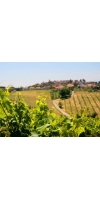
The Abruzzo wine region in Italy with over 65% of the region being mountainous. The Apennines peaks actually reach up to 9000 feet above sea level. The region lies between the foothills of the Apennines to the Adriatic Coast. The vineyards on the hillside are planted on calcareous clay that benefits from significant sun exposure that is ventilated thanks to the dry breezes from the Adriatic. All four provinces produce Montepulciano, Chieti, L’Aquila, Pescara, and Teramo. The southern province, Chieti, produces the largest quantity of wine. L’Aquila, which is the most mountainous province, produces a dry rose, which is labeled Cerasuolo. The most favored vineyards are in Pescara and Teramo, which is located in the north. These two provinces have more ferrous clay and limestone and are less fertile. The cooler climates produce the most concentrated wines. There were about 18,000 acres of wine vineyards in 2004.
The wine of Abruzzo is often a deep colored red with spice and pepper notes, and can be described as rustic. These wines are highly aromatic with an almost syrupy, thick mouth feel.
In the late 20th and early 21st century, Abruzzo earned the reputation of having the most exported wines in Italy.
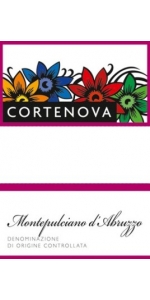
Cortenova Montepulciano d' Abruzzo is made from 100% Montepulciano d'Abruzzo
Deep ruby red color with violet highlights and a pleasant and fruity bouquet. Full bodied, soft tannins and good acidity.
Excellent with pasta dishes and red meats.

All older vintage wines have been purchased from a single collectors cellar. Pictures can be requested before shipment.
Bernard Cote Rotie Cote Brune is made from 100% Syrah. Wine was aged in French oak barrels for 16 months (25% new)
Like its little sister (Côte Rôzier) the Côte Brune is a 100% Syrah with a beautiful dark and brilliant color. The nose shows grilled and toasted notes and is completed by small red and black fruits. It is a wine with a very good length, nice complexity, finesse, and firm tannins. Its ageing in barrels for 16 months, 25% of which are new, brings a real balance to this wine. A very pleasant, elegant and modern wine that can be cellared for many years.
Pair with roasts, white meat with wine sauce, game, red meat and dark chocolate. To be served between 16 and 18°C. (60-64°F)



