
" We don't sell the wine without touching the vine "
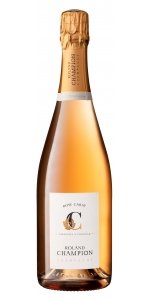
Roland Champion Champagne Brut Rose Grand Cru NV is the blend of 33% Chardonnay, 33% Pinot Meunier and 33% Pinot Noir.
The Champagne rose shows an orange salmon color coming from the red wine base. The pinot meunier brings red fruit aromas of strawberry and raspberry with hints of spices. The palate is juicy and harmonious with good depth and minerality. A delicate balance between Chardonnay, Pinot Meunier and Pinot Noir.
It is a blend of 93% White juice (made from 33% Chardonnay, 33% Pinot Meunier and 33% Pinot Noir) and 7% Pinot Noir red wine. The grapes used to produce the Coteaux Champenois red wine are coming from their vineyards near the Village of Verneuil.
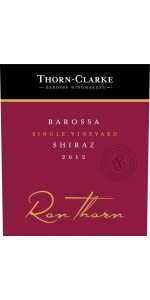
Deep red with a slight purple hue on release. The wine has a rich mix of dark chocolate infused with coffee bean and black liquorice, then scents of tar, aniseed, raw (pure) soy and black olive on the nose. The palate is expansive, and yet balanced and finessed. An amalgam of dark berried flavors and textural sensations. The 100% new oak is completely absorbed, meshed with ripe tannins, completing a palate of impressive length and youthfulness.
Parcels of fruit for this wine were identified in the vineyard by the winemakers. Daily fruit inspection led to the fruit being harvested at optimum flavor ripeness. The fruit was harvested at night and quickly transported to the winery. The fruit was destemmed to 6T open fermenters for fermentation. A Shiraz specific yeast was selected to ferment the wine and fermentation was carried out at a maximum of 28°C. The fermenter was manually pumped over twice daily in the first half of fermentation to give the winemakers control of color, flavor and tannin extraction. Pump over regimes were adjusted toward the end of fermentation to suit the tannin and flavor extraction of the wine. The cap was completely broken up on each pump over. The wine remained in fermenters for 6-8 days (dependent on parcel) before being pressed, inoculated with malolactic bacteria and filled to American oak (100% new barrels). The wine was racked post malolactic fermentation and returned to the same barrels. The wine was topped every month and after six months racked and returned to the same barrels again. Prior to bottling the parcels were emptied from oak and blended. Minimal fining and filtration was carried out prior to bottling.
Review:
Only made in top vintages, the 2019 Shiraz Ron Thorn is 100% Shiraz from the St. Kitts Vineyard in Barossa. Killer notes of blackberries, black cherries, smoked tobacco, chocolate, and subtle menthol all define the aromatics, and it hits the palate with full-bodied richness, a round, layered mouthfeel, huge mid-palate depth, and a salty, decadent style on the finish. This monster of a Shiraz stays balanced and light on its feet and is beautifully done.
-Jeb Dunnuck 96 Points
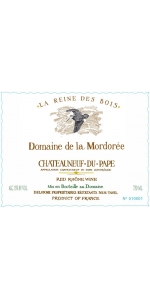
Mordoree Chateauneuf-du-Pape La Reine des Bois is made from 80% Grenache, 10% Mourvèdre, and the rest equal parts Syrah and Vaccarèse .
This premium cuvee - whose name means "Queen of the Woods" - is from 65-year-old vines, planted on Villafranchian-era terrasses. Yield is 30 hl/ha.
Deep ruby red; opaque. Aromas of red fruits change to wooden touches of leather, black truffles and coffee. Fat, concentrated and full flavored with a very long liquoriced and fruity finish.
Review:
The 2022 Châteauneuf du Pape Cuvée De La Reine Des Bois is based on 75% Grenache, 10% each Syrah and 10% Mourvèdre, and the rest Counoise and Vaccarèse. It's not massive yet just exudes class and elegance, with both red and black fruits that give way to more spice, peppery garrigue, and leather, with classic background licorice and black olive notes. Medium to full-bodied, beautifully balanced, and elegant, with silky tannins, this brilliant Châteauneuf du Pape will evolve for two decades.
Number 36 in Dunnuck's Top 100 and 97 Points
"Huge and powerful, but so fresh. This has great driving intensity, with even bigger, more structural tannins than the domaine’s other cuvée. A rampaging Châteauneuf that will take time to settle, and will always be wild. Long, vibrant and chiselled. An absolute beast. Mordorée has been massive but overripe in the past; it's still massive but with this vintage the ripeness is more controlled, and it has transformed into something extraordinary. Fermented and aged 80% in stainless steel, the rest in old barrels. - Matt WALLS"
- Decanter Magazine (September 17th 2023, Part of Châteauneuf-du-Pape 2022: Report and top-scoring wines), 98 pts
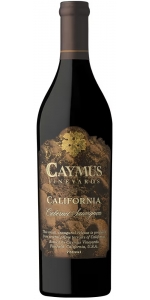
I feel this wine expresses the greatness of California and its hidden pockets where Cabernet can excel. The cold Pacific Ocean running the entire length of the state presents maritime influences – and with each small distance eastward the climate warms. Stony soils, south facing slopes and moderately warm conditions are the keys to producing dark, rich and good tasting Cabernet.
A small release from Caymus Vineyards, this wine is a California-appellation Cabernet Sauvignon – supple, dark and rich, bearing the signature hallmarks of Caymus. It is sourced from sites throughout the state which feature climatic conditions, soils and topography that are ideally suited to Cabernet. This project stems from excitement over California's diverse vineyard land, often in lesser-known areas, with the potential to produce exceptional Cabernet.
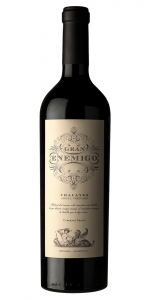
Gran Enemigo Chacayes is dark and firm, with notes of blueberries, black currants, lavender, tobacco, walnuts, and black peppercorns. The finish has a savory mineral character. Certified Sustainable by Bodegas de Argentina.
Gran Enemigo Chacayes is a perfect match for grilled lamb, chimichurri roasted vegetables, or beef stew.
Review:
Blueberries, blackcurrants, hot stones, tobacco leaves, dried lavender, walnuts and cracked pepper on the nose. Medium-to full-bodied with firm, fine-grained tannins. Dark and mineral character to this. Solid, compact cabernet franc. Firm and savory finish. Try from 2024.
- James Suckling 96 Points
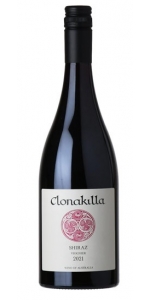
2023 Shiraz Viognier The Shiraz Viognier is our flagship, a careful selection of the best of the Shiraz Viognier parcels we craft from our Murrumbateman vineyard.
Opulent aromas of roses, violets and layered spices, ripe berries of every hue. Perfectly formed tannins frame complex fruit flavors across the palate. This wine will age magnificently.
Enjoy Clonakilla Shiraz Viognier with roasted chicken and sauteed mushrooms.
Review:
The 2023 Shiraz Viognier leads with wet garden rose, sage, apricot, raspberry, pomegranate and blueberry. The wine is bloody, mineral, very fine and with a honed, wet stone feeling to the tannins. I've tasted Pinot today with bigger, more loose-weave tannins than this superb beauty of a thing. This takes svelte to a whole new level. Once again, this is highly recommended. It's one of my favorite Shirazes from this great country. It is made with 6% co-fermented Viognier. 13% alcohol, sealed under screw cap.
- Wine Advocate 97 points
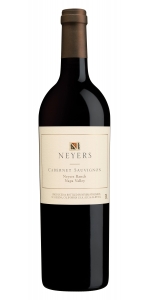
Neyer's Cabernet Sauvignon Red Wine has a bright ruby hue with aromas of wild cherries, chocolate and fresh tobacco leaf. The finished wine is remarkable for its flavor and complexity, and the wine looks to be one that will improve for many years. Planted in 1992 by David Abreu, this fruit is located on ground higher than 600 feet on rocky land rich with basalt. This vineyard is one of the rare 10% in Napa Valley capable of producing great Cabernet Sauvignon and is planted around the Neyers Ranch.
Review:
-Decanter 93 Points
-Wine Enthusiast 93 Points
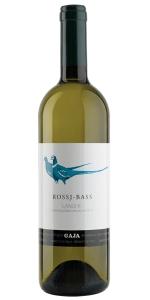
2021 Rossj-Bass displays the main features of the vintage well, with intense fruit concentration and floral notes. The nose shows ripe citrus notes of lemon peel and orange evolving into tropical fruits. The richness of the nose and the same notes are reflected on the palate, where remarkable acidity balances the fruit concentration. The wine is rich, full-bodied and creamy, with a long finish.
Review:
The 2021 Gaja Rossj-Bass starts off with very, crisp, green fruit and much more Sauvignon Blanc dominant aromas of grassy, bright, fragrant green apple and green pepper - all very bright and cheerful. Then Chardonnay seems to take over in the medium-full bodied and pleasing creamy texture of the wine. This is balanced again by the tangy, juicy acidity of Sauvignon. This is very elegant blend of Sauvignon Blanc aromas and zestiness and the textural comfort of Chardonnay. The name Rossj is a nickname of Angelo Gaja’s second daughter, Rossanna.
-Wine Independent 94 Points
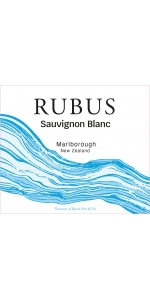
Rubus Sauvignon Blanc Marlborough is made from 100 percent Sauvignon Blanc.
The Rubus Project was created by Fran Kysela as a way to source & sell incredible wines at value prices. All wines in this international project are hand-selected by Fran Kysela. Rubus wines are fruit driven, true-to-type values that over deliver - a true representation of quality for the consumer at an excellent price.
Aromas of gooseberry, lemongrass, boxwood, fresh celery and bready notes on the nose. The palate is dry to taste with juicy gooseberry and citrus flavors forming a light, refreshing medium bodied wine with a tart yet soft lingering finish.
Grapes are gently pressed, settled and racked to fermentation. Juice is cool fermented in stainless steel tanks for 21 days and left on the lees for 2 months prior to blending, light fining, filtering and bottling.
The perfect accompaniment to vegetable or light seafood dishes or to enjoy before a meal.
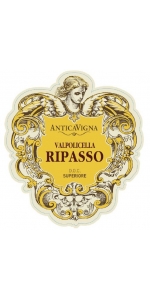
Antica Vigna Valpolicella Ripasso DOC Superiore is made from 50% Corvina, 45% Rondinella and 5% Merlot.
Ripasso Superiore DOC is an elegant and refined wine, showing a beautiful and intense ruby color. Spicy, with cherry hints and wild berries notes, it features great personality and complexity. In the palate it is rich, very fruity, elegant and still young but already very well-orchestrated, with the typical notes of wild berries that blend well with the complexity of the wine.
20% in steel· 80% in wood for 6 months of which 2/3 in American and French barriques, half of which are used for the second and third time 1/3 in large barrels
Aging:
Fermentation time: about 7/10 days the first and 15 days the second.
Fermentation: at a controlled temperature of 18/20° and second fermentation on the skins of Amarone at 18/20°C.
Vinification: soft crushing of destemmed grapes to obtain Valpolicella.
Drying: the grapes are not dried but vinified fresh.
Harvest: mid-September with manual harvesting of the grapes.
VINIFICATION AND AGENG:
Vineyard management: sustainable agriculture and great attention to natural cycles
Vine density: 4,000 to 5,400 vines per hectare
Vine planting year: from 1972 to 2009
Vineyard training system: guyot and pergola
Soil type: limestone
Exposure: south
Height: 350/400 meters asl
Geographical location: Tenuta di Mezzane, Tenuta di Cazzano di Tramigna
THE TERRITORY:
Pairs well with grilled and roasted meats, as well as cheese.
Paul Hobbs Beckstoffer To Kalon Vineyard Cabernet Sauvignon is made from 100 percent Cabernet Sauvignon.
Farmed with a unique precision to match the unparalleled terroir of this historic Oakville site, this vintage is ethereal, delicate, and nuanced. An attractive deep garnet in appearance, this wine expresses soft red cherry, strawberry, floral, and graphite. The palate is full and lively with flavors of blueberry, blackberry, sandalwood, and dried herbs, supported by a lovely grip of tannins and well-tensioned texture that leads to a long, refined finish.
Review:
More expressive and open-knit, the 2019 Cabernet Sauvignon Beckstoffer To Kalon Vineyard sports a similar ruby/purple to go with an incredible array of black raspberry, cassis, flowery incense, orange blossom, smoked tobacco, and exotic spice. As are all To Kolans, it's incredibly perfumed and complex aromatically, and it's one of those wines that changes every time you come back to the glass. Full-bodied on the palate, it offers beautiful richness and depth, a light, graceful mouthfeel, silky tannins, and a heavenly finish. It's another magical wine from this talented winemaker that readers will absolutely love.
-Jeb Dunnuck 99 Points
Elvio Cogno Cascina Nuova Barolo is made from 100 percent Nebbiolo.
Born to satisfy the curiosity of consumers keen to have a more immediate understanding of Barolo, the wine is bright garnet red in color with orange tints. Pleasing and immediate, it offers scents of flowers and light, delicate spices. The mouth is agreeably rounded, juicy and fresh, with just the right balance between pleasantness and elegance. The aftertaste is very harmonious with a mineral, aromatic finish.
Review:
This Barolo shows lavender, dried cranberries, licorice and a touch of tile on the nose. The palate is medium- to full-bodied and balanced, with lovely, succulent fruit complemented by incisive acidity. The tannins are fine grained yet chewy, but they gradually resolve toward the bright finish. Better from 2026.
-James Suckling 96 Points



