
" We don't sell the wine without touching the vine "

| Country: | Japan |
| Region: | Akita |
| Winery: | Akitabare Brewing Company |
| Grape Type: | Gin no Sei (Sake) |
| Vintage: | NV |
| Bottle Size: | 720 ml |
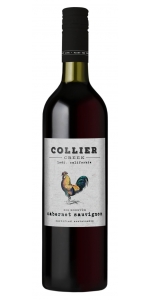
Collier Creek Spring Willow Sauvignon Blanc is made from Sauvignon Blanc.
Nestled in the heart of the Lodi Appellation, where farmland ran as far as the eye could see, Collier Creek is a place that reminds us of simpler times. Spring Willow Sauvignon Blanc is a delicious example of how well balanced Sauvignon Blanc from Lodi can be. The wine has citrus and lemongrass aromas, with a light and crisp mouthfeel and a refreshing finish.
Pair with scallop ceviche, pesto pasta and goat cheese.
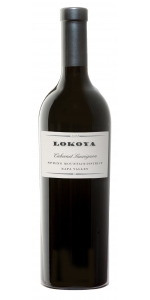
Lokoya Spring Mountain Cabernet Sauvignon is made from Napa Valley Cabernet Sauvignon.
Review:
The 2018 Cabernet Sauvignon Spring Mountain District is a monster of a mountain Cabernet that has a primordial bouquet of blackcurrants, smoked earth, chocolate, and graphite. While Spring Mountain wines tend to be more aromatic and complex right out of the gate, that’s not the case here, and this is going to need bottle age to round into form. Full-bodied on the palate, with a rich, concentrated mouthfeel, it has serious tannins, notable purity of fruit, and a great finish. With air, it picks up more and more classic Spring Mountain floral and exotic notes, and it’s flawlessly balanced, with gorgeous tannins and a great, great finish. This is a brilliant wine in the lineup and unquestionably one of the true gems from Spring Mountain in 2018. Give bottles 4-5 years and enjoy over the following 2-3 decades.
-Jeb Dunnuck 98 Points
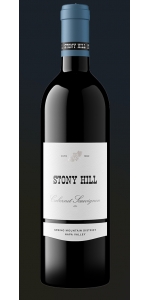
From the volcanic soils in the blocks residing at the summit of Stony Hill's vineyard, their 2019 Cabernet Sauvignon is showing beautifully. 2019 was a warm year with late spring rains and a true, dry fall finish. e late spring rains imbued wines with a characteristic freshness and tension, balanced by a generous fruit profile. Bing cherry, cassis, pomegranate seed, singed bay leaf, and cacao sings from the glass. The palate receives a structure showing breadth and presence with lacey tannins and a delicate, persistent finish.
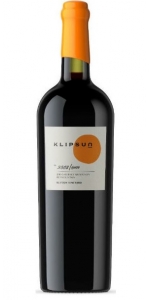
Klipsun Cabernet Sauvignon Red Mountain is made from 84% Cabernet Sauvignon, 4% Merlot, 4% Malbec and 8% Syrah.
The 2017 vintage started out with a cool, wet winter, with significantly above average snowfall in eastern Washington. Red Mountain had a 24% increase in rainfall in 2017 over the 10 year average. Going into spring, the cool trend continued. As a result, bud break at Klipsun was behind the historical average and significantly behind the most recent warm vintages of 2013 2016. Bloom was also slightly delayed. Because of the cool weather, set was lighter than usual which translated into significantly less fruit in 2017.
The early part of the summer saw average temperatures followed by above average temperatures in July and August. As a result, he at accumulation was a bit above average for the season, despite the cool start. And because of the smaller than normal yield, harvest began right on schedule, perhaps even a bit early for some of the whites. In the second half of September, when Klipsun traditionally harvests all the reds, the temperatures cooled considerably, which delayed ripening. This allowed for luxurious amounts of hang time without the threat of increased sugar accumulation, stretching harvest into the first week of October. A s a result, all fruit going into the 2017 Klipsun Cabernet Sauvignon could be picked at perfect sugars levels with great fruit maturity and flavors. Overall, the quality of t he 2017 harvest is as high as the 2016. However, the style is slightly different. The 2017 wine has a firmer structure, more spice & mocha in the nose and will take a few mo re years than the 2016 to reach a perfect balance between fruit and tannin.
Review:
The 2017 Cabernet Sauvignon Red Mountain is composed of 84% Cabernet Sauvignon, 4% Merlot, 4% Malbec and 8% Syrah, which immediately emanates with aromas of dark roasted espresso bean, toasted oak, dried tobacco and dusty black fruit tones of cassis, currant and blackberries covered in dark cocoa powder. Full-bodied, generous in complexity and still tight in the mouth, the wine unpacks layers of cedar and vanilla tones with dusty purple flowers and bitter dark chocolate across the mid-palate, giving way to fine-grained tannins that will loosen with time. As the wine sits on the palate, the 100% French oak regimen is on full display for all to see. The wine lingering long and continues to evolve in the mouth, ending with a drying finish that highlights the oak and terroir. It’s still a baby, and I would keep it in the cellar for another few years before popping the cork—this will effortlessly coast for more than a decade. The 2017 vintage marks the second release of this wine, with 6,300 bottles produced. It comes from its namesake vineyard, first planted in 1984 on Red Mountain. I’m keeping my eye on this producer. I’m impressed, and even though the oak may be a bit much at the moment, it's still delicious. - Wine Advocate 94+ Points

All older vintage wines have been purchased from a single collectors cellar. Pictures can be requested before shipment.
All older vintage wines have been purchased from a single collectors cellar. Pictures can be requested before shipment.
Akitabare Shunsetsu Spring Snow (720ml)
This light sake is seamlessly put together. Just sweet enough for sipping chilled on a warm day, with rarefied flavor notes that impart a declasse elegance, and a finish that is pleasantly dry.
Just sweet enough for sipping chilled on a warm day, Shunsetsu pairs nicely with light sidedishes like edamame, tofu and seafood salad. Keep under refrigeration after purchase and serve ice cold.
Rice Variety: Gin No Sei
Polishing Ratio: 64%-60%
Alcohol Percentage: 14%-15%
Sake Meter Value: +1.0-3.0
Acidity: 1.3-1.5
Yeast Type: Association No. 9
The Akitabare Brewery
"Koshiki Junzukuri" (The Old Way) read the characters on Akitabare Sake Brewing Company's junmai label, and a glimpse inside the brewery shows why. Many of the tools from a hundred years ago–the huge wooden basin for soaking the rice, the giant kama for steaming it–are still in use
today.
Considerable technical innovation has occurred in the sake world over the last hundred years and many of the new tools and techniques have elevated the level of sake quality. But when change is just for the sake of modernization, or to increase productivity, or to maximize earnings, there is always a trade-off in quality. And this is a trade-off that Akitabare has never been willing to make.
What this commitment means in practice is delicacy, precision and care at every step of the brewing process. Akitabare sakes possess perfect balance, a mild aroma and a subtlely expressed but very distinct taste profile. They tend to appeal to experienced connoisseurs not overly impressed with flowery aromas and ornate flavors and for whom balance, clarity and finesse are the mark of a superior label.
"People's taste may change over time, and our sakes will change as well, but they will always have a satisfying taste and a distinct personality," says Kazuo Kawaguchi, the brewery's president. "If we had a motto, it would be 'fierce adherence to tradition, skillful adaptation to change.' If we were a flower, we would be a peony."
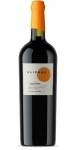
Klipsun Cabernet Sauvignon Red Mountain is made from 84% Cabernet Sauvignon, 4% Merlot, 4% Malbec and 8% Syrah.
The 2017 vintage started out with a cool, wet winter, with significantly above average snowfall in eastern Washington. Red Mountain had a 24% increase in rainfall in 2017 over the 10 year average. Going into spring, the cool trend continued. As a result, bud break at Klipsun was behind the historical average and significantly behind the most recent warm vintages of 2013 2016. Bloom was also slightly delayed. Because of the cool weather, set was lighter than usual which translated into significantly less fruit in 2017.
The early part of the summer saw average temperatures followed by above average temperatures in July and August. As a result, he at accumulation was a bit above average for the season, despite the cool start. And because of the smaller than normal yield, harvest began right on schedule, perhaps even a bit early for some of the whites. In the second half of September, when Klipsun traditionally harvests all the reds, the temperatures cooled considerably, which delayed ripening. This allowed for luxurious amounts of hang time without the threat of increased sugar accumulation, stretching harvest into the first week of October. A s a result, all fruit going into the 2017 Klipsun Cabernet Sauvignon could be picked at perfect sugars levels with great fruit maturity and flavors. Overall, the quality of t he 2017 harvest is as high as the 2016. However, the style is slightly different. The 2017 wine has a firmer structure, more spice & mocha in the nose and will take a few mo re years than the 2016 to reach a perfect balance between fruit and tannin.
Review:
The 2017 Cabernet Sauvignon Red Mountain is composed of 84% Cabernet Sauvignon, 4% Merlot, 4% Malbec and 8% Syrah, which immediately emanates with aromas of dark roasted espresso bean, toasted oak, dried tobacco and dusty black fruit tones of cassis, currant and blackberries covered in dark cocoa powder. Full-bodied, generous in complexity and still tight in the mouth, the wine unpacks layers of cedar and vanilla tones with dusty purple flowers and bitter dark chocolate across the mid-palate, giving way to fine-grained tannins that will loosen with time. As the wine sits on the palate, the 100% French oak regimen is on full display for all to see. The wine lingering long and continues to evolve in the mouth, ending with a drying finish that highlights the oak and terroir. It’s still a baby, and I would keep it in the cellar for another few years before popping the cork—this will effortlessly coast for more than a decade. The 2017 vintage marks the second release of this wine, with 6,300 bottles produced. It comes from its namesake vineyard, first planted in 1984 on Red Mountain. I’m keeping my eye on this producer. I’m impressed, and even though the oak may be a bit much at the moment, it's still delicious. - Wine Advocate 94+ Points
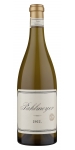
The 2022 Jayson Chardonnay achieves a beautiful equilibrium of richness, buoyancy, and intricacy. Aromas of sweet Meyer lemon, crushedalmond, and grilled pineapple lead to a concentrated palate of bright lemon curd and orange blossom honey underscored by fresh pear andtoasted nuttiness with a hint of baking spice. The texture is classic Pahlmeyer, plush and detailed, while the presence of bright Carneros fruitbrings energy and litheness. Flavors are lifted and extended on a spine of bright acidity, the lingering finish striking an ideal balance betweenopulence and mouthwatering freshness.
Review:
This generous, buttery and spicy wine is sourced from several parts of Napa Valley and brings gorgeous richness to the nose, palate and finish. Elements of brown butter, marzipan, toasted almonds and poached pears flood the flavors, with vanilla bean and a touch of sweet coconut. Barrel fermented in 36% new French oak, it’s full-bodied and nicely viscous in texture.
James Suckling 93 Points



