| BUY MORE! SAVE MORE! | ||||||||||||||||||||
|
| Country: | United States |
| Regions: | California California (Napa) |
| Winery: | Alejandro Bulgheroni |
| Grape Type: | Cabernet Sauvignon |
| Organic: | Yes |
| Vintage: | 2019 |
| Bottle Size: | 750 ml |
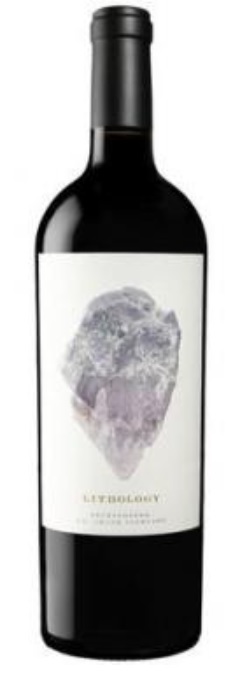
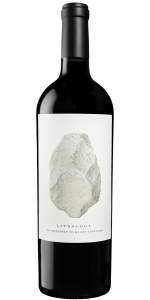
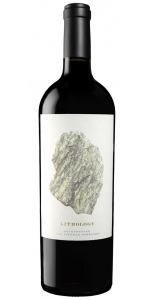
Alejandro Bulgheroni Lithology Cabernet Sauvignon is made from 100 percent Cabernet Sauvignon.
We only produced a scant 50 cases of this wine this year, far too small an amount considering how great it turned out. There’s that typical saturated to the rim deep purple color, with intense cassis, herb, and milk chocolate, bricks and forest floor, black plum pudding aromas. In the mouth, there’s a great balance, with notable oak and vanilla notes intertwined with dense black fruits. It’s an opulent and plush style, yet finishes with sweet grippy tannins.
The land of Alejandro Bulgheroni Estate was once part of the Rancho Carne Humana Spanish land grant given to Edward T. Bale in 1841. Bale married the niece of Mexican General Vallejo and was awarded the grant shortly after. Their daughter, Caroline, married Charles Krug and received a dowry of a 20-acre piece of the Rancho that would eventually become Charles Krug Winery.
Gradually, the Rancho was sold and divided into smaller lots. in 1860, our 13-acre parcel was sold for $2,070 to John Howell, a prominent blacksmith in Napa County and for whom Howell Mountain was named.
In modern history, the estate was first planted to grapes by Jim and Nena Talcott in 1975. Under their ownership, a charming stone winery was built to vinify the property's grapes.
The property then served as the Founders Room for the wine portfolio of H. William Harlan and produce the first vintages of The Napa Valley Reserve.
After its acquisition by Alejandro Bulgheroni, he began an extensive renovation and enhancement project to upgrade the old stone winery, plant new vineyard blocks, transform the tasting salon and re-envision the future of the property.
The winery renovations provided upgraded infrastructure and new equipment, dedicated solely to the vinification of Lithology wines. In future years, additional vineyard blocks will be planted at the highest elevation of the property and a cave will be built for barrel storage and aging.
Alejandro Bulgheroni Estate
Certified organic, the Estate vineyard is at the base of Howell Mountain and the Vaca Mountain range where rich, volcanic soils are found, resulting in wines that are deep and ripe with structure, firm tannins, and acid for long cellaring. The site is comprised of a very thin layer of soil, less than one foot in depth, that rests on igneous rocks and materials weathered from volcanic ash. This well-drained, mineral-rich soil is ideal for cultivating Cabernet Sauvignon.
Alejandro Bulgheroni Estate is planted in two parts, one above and one below the beautiful stone barn and winery on Meadowood Lane in St. Helena. It has had several well-known owners beginning with John Howell, the blacksmith for whom they named the mountain, then Charles Krug. In modern history, the site was first planted to grapes by Jim and Nena Talcott, in 1975. Under their ownership, a charming stone winery was built to vinify the property’s grapes. The property then served as the “Founders Room” for the wine portfolio of H. William Harlan and produced the first vintages of “The Napa Valley Reserve.” Now, under the Alejandro Bulgheroni Estate banner, the vineyard is producing some of the finest Cabernet in the area, and we recently added a small block for Sauvignon Blanc as well.
Beckstoffer Dr. Crane
Dr. Crane Vineyard sits at the base of the western hills of St. Helena. A window into showcasing one for the grapes that gave birth to Cabernet Sauvignon from one of California's most legendary single-vineyard plots of earth. Napa pioneer, Dr. George Belden Crane originally planted Dr. Crane Vineyard in 1858. Acquired by Beckstoffer Vineyard in 1997, the vineyard's gravelly loam soils were replanted in 1998 to multiple clones of Cabernet Sauvignon, Petit Verdot, and Cabernet Franc.
Beckstoffer Las Piedras
The history of the Beckstoffer Las Piedras Vineyard closely resembles that of Alejandro Bulgheroni Estate. It was once part of the Rancho Carne Humana Spanish land grant given to Edward T. Bale by Mexican General Vallejo. It was first planed by Bale to Mission grapes, making it one of the first vineyards planted in the Saint Helena Appellation. Henry Amstutz, one of California's first great winemakers, replanted the vineyard to wine grapes in 1860. In 1983, Beckstoffer Vineyards purchased the property and planted two clones of Cabernet Sauvignon.
The vineyard, located at the base of Sulfur Creek, is comprised of well-drained soils created from the Creek's run-off and peppered with rocks and small pebbles. Aptly named Las Piedras by vineyard workers, the name translated in English means "the stones". Its effect on wines is marked with a fresh vibrancy and deeply concentrated fruit.
Beckstoffer To Kalon
Perhaps the most famous of the Beckstoffer vineyards, and certainly one of the most celebrated in Napa’s history. Planted by H. W. Crabb, in 1868, as the Hermosa Vineyard, it was 250 acres and already the most famous vineyard in California when it was renamed To Kalon (meaning “highest beauty” in Greek.) Mr. Crabb lived long enough to expand the vineyard several times and made it one of the most successful wine cellars prior to Prohibition. Afterward, it passed to a couple of families who cared well for the vineyard until it was finally purchased (in part) by Andy Beckstoffer, in 1993, and replanted in 1994. Even after 150 years, the reputation of this “Grand Cru” vineyard has never been greater.

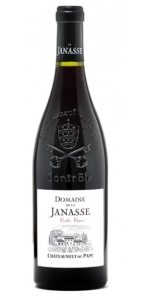
Domaine de la Janasse Chateauneuf-du-Pape Cuvee Vieilles Vignes is made from 65% Grenache, 20% Mourvèdre, 10% Syrah, 5% divers.
In contrast to Chaupin, which is made from old-vine Grenache on sandy soils, the cuvée Vieilles Vignes is from old vines of Grenache, Mourvedre, Syrah along with smaller percentages of other permitted varieties that are grown in these old vineyards. The wine is sourced from 4 terroirs: pebbly clay, sand, gravelly red clay and sandy limestone. Vieilles Vignes is always the most powerful and concentrated Châteauneuf-du-Pape cuvée made at Domaine de la Janasse.
Review:
The 2020 Châteauneuf Du Pape Vieilles Vignes also saw some stems (the estate started keeping some stems with the 2016 vintage) and was 75% destemmed, with the blend being 70% Grenache, 20% Mourvèdre, and the rest Syrah, Cinsault, and Terret Noir. As usual, it’s a more powerful, black-fruited wine comparted to the Cuvée Chaupin and has lots of crème de cassis, liquid violet, crushed stone, woodsmoke, and peppery herbs. It displays the vintage’s purity and freshness yet brings the concentration as well as the structure. I’ll be shocked if it’s not in the handful of top wines in the vintage.
-Jeb Dunnuck 96-98 Points
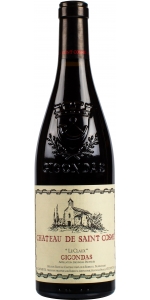
Chateau de Saint Cosme Gigondas Le Claux is made from 95% Grenache, 5% Syrah.
Château de Saint Cosme is the leading estate of Gigondas and produces the benchmark wines of the appellation. The property has been in the hands of the Barruol family since 1490. Louis Barruol took over from his father in 1992 making a dramatic shift to quality and converting to biodynamics in 2010.
Château de Saint Cosme Gigondas Le Claux is the estate’s oldest vineyard and sits near the entrance to the winery. “It was first planted in 1870 following phylloxera. My uncles thought it wasn’t producing enough fruit and planned to uproot it in 1914,” says Louis Barruol, but “World War I interrupted that plan.”
The 1.8-hectare Le Claux—meaning “Clos” in old French—is a field blend of predominately Grenache. Louis Barruol believes 10% of the vineyard is from the original 1870 planting. Vines are replaced by massal selection and the average vine age is 60-years. The wine is made with whole cluster fermentation from indigenous yeasts, is aged in 20% new 228-liter barrels, and bottled without fining or filtration.
Tasting Notes
Brilliant violet color. Displays pungent, mineral- and spice-accented cherry, black raspberry, potpourri and licorice aromas, along with hints of savory herbs, vanillo and incense. Chewy and tightly focused on the palate, offering bitter cherry, dark berry and Moroccan spice flavors that unfurl slowly through the back half. It closes with firm tension, chewy tannins and excellent tenacity, leaving resonating cherry and floral notes behind. All barriques, a third of them new.
-Vinous 95-97 Points
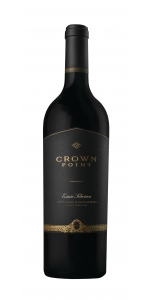
Crown Point Estate Selection is made from 75% Cabernet Sauvignon, 10% Merlot, 6% Petit Verdot, 6% Cabernet Franc, 3% Malbec.
The 2016 Crown Point Estate Selection exhibits a heady aromatic array of baking spices, ripe red and black fruits, with deep intonations of earth and minerals. The palate is elegant and bright, with appealing acids and nuanced notes of savory mocha and dried herbs. Polished and seamless, the tannins finish with a comet-like trail of textural opulence highlighted by glossy flavors of baked berry pie and warm toast. Recommended drinking window: now through 2030s.The 2016 Estate Selection is representative of all five red Bordeaux varieties. The selection process starts in the vineyard and continues on through the winemaking process: only the best lots make the final blend. All blocks were harvested & fermented separately. The individual components were blended after 12 months in barrel. Total time in 225 liter French oak barrels was 26 months.
Review:
Deeply colored, the 2016 Estate Selection checks in as 75% Cabernet Sauvignon, 10% Merlot, 6% Petit Verdot, 6% Cabernet Franc, 3% Malbec that was brought up 26 months in 75% new French oak. Deeply colored, it has a smoking good bouquet of crème de cassis, smoke tobacco, lead pencil, camphor, and hints of chocolate. This gives way to a powerful, opulent Cabernet Sauvignon that has plenty of sweet tannins, a layered, multi-dimensional texture, no hard edges, and an awesome finish. I’d happily put this beauty in a lineup of top Napa Valley Cabernet Sauvignon and blends.
-Wine Enthusiast 97 Points
There’s an impressive amount of complexity on the nose of this bottling by winemaker Adam Henkel, from crushed graphite and concentrated black strawberry to cinnamon pastry, licorice and a brush of herbs. The sip is intense, with leathery but chiseled tannins presenting flavors of charred black currant, licorice, black olive, dried flower and white pepper
-Jeb Dunnuck 97 Points
Crown Point Estate Selection is made from 70% Cabernet Sauvignon, 10% Merlot, 10% Malbec, 5% Cabernet Franc, 5% Petit Verdot.
The 2017 Crown Point Estate Selection is an engaging wine with notes of red fruit, strawberries, and vibrant floral tones of violets in harmony with toasted coffee notes. On the palate, the wine displays a gentle sweetness married with fine grain tannins, a velvety texture providing a long finish.
Review:
There's a purity to the nose of this bottling that reveals deep, lush waves of boysenberry paste alongside a savory tone of charred beef. Polished tannins frame the sip, where ample amounts of rich black plum and blackberry are enhanced by caramel, coffee bean and mocha flavors, with acidity holding tight into the finish.
Wine Enthusiast 96 Point
Domaine Nico le Paradis Pinot Noir is made from 100 percent Pinot Noir.
The cool climate vineyard that belongs to Laura and her sister Adrianna Catena feels like paradise itself to Laura. It is lined by trees and fruit orchards, with majestic views of the Andes. Inside the 12 Hectare vineyard, there is a little house with two tiny bedrooms and a kitchen, where Laura dreams of spending a whole month reading books-Laura's version of paradise. The little house is affectionately named Chateau Laura. About the Vineyard The tiny parcel where Le Paradis is grown was planted in 2011 with Dijon 667 Clones over two acres. Wine Production The grapes from this small parcel were elaborated in 15 separate microvinifications.
All the microvinifications were fermented with indigenous yeast. 20% of the microvinifications were fermented with 100% whole clusters in oak roll-fermentor of 600L and low temp (22 Celcius degrees). 40% were fermented with 20% whole cluster in small vats of 800L and 40% fermented in small vats of 800L without sulfites until 4%V/V of alcohol.
Review:
From soils rich in calcium carbonate and sand, in a vineyard 1,600 meters above sea level, this wine comes from a selection of 2.7 hectares that produced very little fruit in 2016, just barely enough to fill 800 bottles. But watch out for this white, with its edge, its minerality, those saline notes that are so characteristic of chardonnay from the chalky Gualtallary soils. The wine was aged for a year in used barrels, and it has some of the toast, but here it’s the deep minerality that dominates.
Patricio Tapia - Descorchados 96 Points
Hickinbotham Peake Cabernet Shiraz is made from 60 percent Cabernet and 40 percent Shiraz.
Named after the late Mr. Edward John Peake who established the first vineyard and orchard at Clarendon circa 1850. Blending Cabernet Sauvignon and Shiraz is a famous part of Australian winemaking history and whilst the individual components of this wine are mighty, the sum of The Peake’s parts is magnificent. The Cabernet shines aromatically with notes of blackberry pie and dark chocolate, while the Shiraz fills the mid-palate with black plum and toasty oak. Fine tannins and balanced acidity contribute to an incredibly long finish. The Peake continues to honor the legacy of this iconic Australian blend.
Review:
Hickinbotham's 2017 The Peake Cabernet Shiraz is a 60-40 blend of the varieties, aged in a healthy proportion of new French oak. As a barrel selection, it stands above the other wines in the lineup, being more complex and complete than either the Brooks Road Shiraz or the Trueman Cabernet. Cassis leads the way, rounded out by ripe cherries and joined by shadings of cedar and vanilla. It's full-bodied and concentrated in the mouth, rich, supple and almost creamy in texture and boasts a long, silky finish. While nearly drinkable already, it should easily age for a decade or more.
-Wine Advocate 96 Points
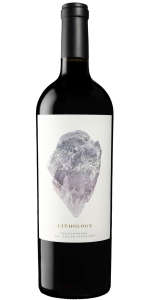
Alejandro Bulgheroni Lithology Beckstoffer To Kalon Vineyard Cabernet Sauvignon is made from 100 percent Cabernet Sauvignon.
Alejandro Bulgheroni Estate Lithology is a series of single vineyard and AVA-designated wines made from select sites within Napa Valley. Lithology Beckstoffer To Kalon Vineyard is produced solely from fruit grown in the historic Beckstoffer to Kalon Vineyard planted in 1865 by W.H. Crabb and represents Oakville's famous bench land.
Review:
The 2019 Cabernet Franc Lithology Beckstoffer To Kalon Vineyard just shines for its bouquet, which is classic To Kalon with its floral, incense, spicy, red and black-fruited aromatics. These all flow to a medium to full-bodied, utterly seamless Cabernet Franc that’s balanced, has laser-like precision, and a great finish. This isn’t the biggest or richest wine in the lineup, but it’s Cabernet Franc in all its glory, with soaring aromatics and complexity, ample richness and texture, and a beautiful sense of finesse and elegance. It’s going to keep for 15-20 years with no issues.
-Jeb Dunnuck 98 Points
Composed of 90% Cabernet Sauvignon and 10% Cabernet Franc, the 2019 Lithology Cabernet Sauvignon Beckstoffer To Kalon Vineyard is a barrel sample with a deep garnet-purple color. It needs a fair bit of coaxing to unlock scents of blackberry pie, warm blueberries and cassis plus suggestions of spice cake, underbrush, candied violets and chocolate box. The full-bodied palate brings forth loads of earthy layers to accent the rich, black fruits, framed by plush tannins and lovely freshness, finishing long and fragrant.
-Wine Advocate 97 to 99 points
The 2019 Cabernet Sauvignon Lithology Beckstoffer To Kalon Vineyard is one of the very finest wines I have tasted from Alejandro Bulgheroni's Napa Valley project. The 2019 To Kalon captures all the pedigree of this iconic Oakville vineyard, and yet also remains nuanced and wonderfully finessed for an intense wine. To Kalon Cabernets are rarely this elegant, but the Bulgheroni 2019 sure is.
-- Antonio Galloni 97 Points
Alejandro Bulgheroni Lithology Beckstoffer Dr. Crane Vineyard Cabernet Sauvignon 99% Cabernet Sauvignon, 1% Cabernet Franc.
Here the Cabernet comes to us typically flawless, and the wines are as such. There is blue fruit, blueberries, black plums, blackberries, and cassis to the aromas, as well as stones, mineral, chocolate, fresh tobacco, and subtle herbs. It is incredibly full-bodied, but at the same time effortlessly drinkable, with ultra-smooth tannins and a positive, long, upturned finish. 70-75% new French oak is the norm for us with Dr. Crane, and those flavors are absorbed to become a vanillin complexity, sweetness, and length. An unbelievable wine.
Review:
You don’t see many Cabernet Franc-dominated wines from this site, but the 2019 Cabernet Franc Lithology Beckstoffer Dr. Crane Vineyard is certainly impressive. Offering more herbal, chocolate, gravelly earth, and espresso aromas and flavors, it has full-bodied richness and, as expected, is a powerful, opulent expression of this noble variety. The blend is 83% Cabernet Franc and 17% Cabernet Sauvignon, aged 20 months in 80% new French oak. It will benefit from short-term bottle age and drink nicely for 20 years.
-Jeb Dunnuck 97 Points
Alejandro Bulgheroni Lithology Beckstoffer Las Piedras Cabernet Sauvignon is made from 100 percent Cabernet Sauvignon.
From a St. Helena vineyard planted by early Napa settler Edward Bale more than 150 years ago, and later serving as the estate vineyard for the area’s first winery built by Henry Pellet in 1860, the Las Piedras site always gives us our prettiest wine. When placed next to Dr. Crane and To-Kalon wines, the Las Piedras show a certain elegance, with a very graceful entry and finely detailed complexity. We produce it with at least 75% new French oak, so there is a floral, spicy, and vanilla accent to the intense red and black fruits, cassis, and black cherry liqueur. What distinguishes this bottling is the beautifully fine tannins, delicate texture, and stunning purity. (Less than 100 cases made.)
Fermentation 70% Oak, 24% Concrete, 6% Puncheon
Review:
"The 2018 Cabernet Sauvignon Lithology Beckstoffer Las Piedras Vineyard comes from a world-class site outside of St. Helena and is all Cabernet that spent 20 months in 80% new oak. It offers a touch more red fruit as well ample cassis, spring flowers, loamy earth, and spice-like aromas and flavors. It has a wonderful sense of minerality, ultra-fine tannins, a dense, layered texture, and incredibly purity of fruit. It’s another just about off the charts release from this estate."
- Jeb Dunnuck 98 Points
A dramatic, ridgetop landscape — rising 1500 feet above Lake Hennessey, staring west over Pritchard Hill — persistently influenced by a push/pull draw between The Valley’s floor and Lake Berryessa. This wild, untamed, eastern frontier of Napa Valley, produces singular, terroir-driven wines of captivating beauty, power and lift. An unseasonably wet and cool springtime produced significant shatter at Sage Ridge in 2019, reducing our yields by 50%, leading to a particularly flamboyant edition of this wine.
An incomparable expression of Cabernet Sauvignon — massively pure red fruit character, delivered on a ribbon of ultra-suave tannins and gorgeously seductive high tones. The palate never relents its come-hither posture. Aromatically, puts forth an intriguing botanical complexity that is unmistakably site-specific. As our experience with this one-of-a-kind terroir deepens, we remain endlessly excited for the potential of these unique ridgetop vineyards. Get your hands on a bottle and pull the cork…a wine built for immense near-term gratification.
Review:
"Deep garnet-purple colored, the 2019 Cabernet Sauvignon Sage Ridge Vineyard opens with open-knit notes of plum preserves, baked blackberries and boysenberry jam, leading to a core of crème de cassis, mocha, camphor and Indian spices with a touch of unsmoked cigars. The palate is full-bodied, concentrated and dense with black fruit preserves, framed by soft tannins and seamless freshness, finishing very long and very spicy. Only 75 cases were made. - Lisa Perrotti-Brown"
- Robert Parker's Wine Advocate (November 2021), 95 pts
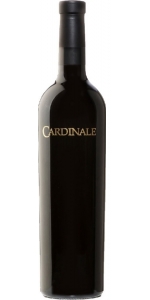
Cardinale Napa Valley Cabernet Sauvignon is made from 91% Cabernet Sauvignon, 9% Merlot.
Super structured and with minerality to spare, this Cabernet Sauvignon offers a real presence on the palate from start to finish. Generous notes of dark chocolate balance beautifully with a blue and black fruit flavor explosion, finishing with a subtle whisper of rose petal.
Reviews:
- James Suckling 98 Points
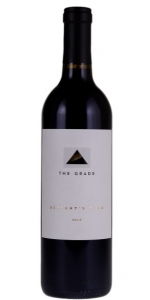
The Grade Cabernet Sauvignon Serpent's Back Napa Valley is made from 100 percent Cabernet Sauvignon.
Review:
The 2019 Cabernet Sauvignon Serpent's Back shows a more aromatic, high-toned side of this site. Bright red/purplish berry fruit, pomegranate, cinnamon and sweet floral accents are all laced together. The Serpent's Back is the most refined of these three Cabernets, but it has plenty of Calistoga punch.
-- Antonio Galloni 95 Points
La Jota Howell Mountain Cabernet Franc is made from 100% Cabernet Franc.
The 2019 Cabernet Franc opens with aromas of cassis and graphite when poured in the glass. The firm tannins set the stage on the palate melded with rich flavors of boysenberry and pain de grille with a silky mouthfeel and lingering finish.
Review:
Savory in black pepper, smoked meat and cigar box, this wine is high-toned aromatically, with lovely hints of violet and dried herb, sage and bay leaf. Mountain-sturdy tannins give it structure, power and room to age, with lasting acidity to keep it fresh. Enjoy best from 2029–2039
.-Wine Enthusiast 95 Points
Mas Redonne Tournier Bandol Luisa Jeanne is made from 95% Mourvedre and 5% Syrah.
The wine takes its name from a goddess, Luisa Jeanne. It has a deep red color with dark brick hues, a very intense and complex nose with strong sensations of dark fruit, compote, spice, earth and garrigue, with a minty touch. Palate intense, complex and silky, full and opulent with olfactive sensations and a slightly mineral saline aftertaste accompanied by rich but ripe tannins wrapped in a fruity robe. Approachable, long, harmonious, elegant.
Late manual harvesting of left grapes, their selection according to ripeness, harvesting parcel by parcel, variety by variety, separate vinification. Long fermentation with natural yeasts to oxygenate the must, gentle extraction of color and tannins, decanting and dipping of the matoline cap to absorb the tannins and make the wine silky and expressive. Aged for 18 months in old foudres.
A gastronomic wine for major occasions, ideal for red meat, game, charcuterie, cheese, chocolate and Provençal cuisine.
The wine takes its name from a goddess, Luisa Jeanne. It has a deep red color with dark brick hues, a very intense and complex nose with strong sensations of dark fruit, compote, spice, earth and garrigue, with a minty touch. Palate intense, complex and silky, full and opulent with olfactive sensations and a slightly mineral saline aftertaste accompanied by rich but ripe tannins wrapped in a fruity robe. Approachable, long, harmonious, elegant.