
" We don't sell the wine without touching the vine "
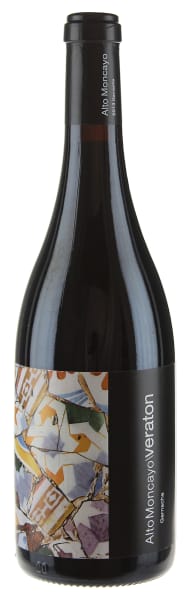
| Country: | Spain |
| Region: | Campo de Borja |
| Winery: | Alto Moncayo |
| Grape Type: | Garnacha |
| Organic: | Yes |
| Vintage: | 2019 |
| Bottle Size: | 750 ml |
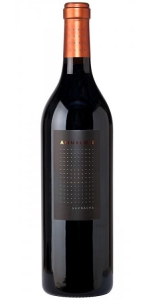
Bodegas Alto Moncayo Aquilon Garnacha is made from 100% Garnacha.
The wines of Alto Moncayo are crafted to express the unique terroir of windswept high elevation Campo de Borja DO; and to serve as a benchmark for world class Old Vine Garnacha.
Aquilón is "The jewel in the Crown" a selection of the best barrels from the best lots. The vines are 60-100 years old.
Review:
This garnet-colored wine offers aromas of black currant, black raspberry and black licorice, with just a touch of charcuterie. The fruit flavors shine through with subtle notes of crushed violet. It has soft tannic structure, with a pleasant bit of grippiness in the post palate as it leads up to the long, long, finish.
-Wine Enthusiast 95 Points
About the Vineyard
Vineyards in Tabuenca and Borja, planted with indegenous clones of Garnacha starting in the 1920s.
Wine Production
The selected highest quality grapes are placed into small stainless-steel tanks of 7 tons capacity. The must is basket pressed and fermentation is finished in new French and American oak where it complets the malolactic fermentation. Wine is aged in the barrels for 24 months before bottling.
Tasting Notes
Appearance: Very deep red, scarlet rim
Aroma: Minerals and vanilla. Hints of raisins and dark Chocolate
Palate: As typical of the vintage, power and intensity with disarming elegance.
Food Pairing:
Goes well with beef, pork, game based stews and rice dishes.
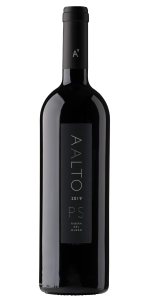
Aalto P.S. Pagos Seleccionados Tinto is made from 100 percent Tempranillo.
Climatic conditions
The farming year began with a mild autumn and little precipitation. A very dry winter started with -9ºC reaching at the end higher temperatures than normal for that time of the year. Spring and summer characterized by little rain, only some rain showers in July and late August avoided the hydric stress of the vines. The vegetative cycle of the vine developed with big variations of temperatures, alternating warm and atypical low temperatures of 4ºC for mid-June. The ripening of the grapes happened under very good conditions and the harvest started on 24th September 2019.
100% Tinto Fino (Tempranillo) primarily from very old vines – 60 to 90 years old – from selected plots in La Horra and La Aguilera. The harvest was done by hand, in small boxes of 15 kilos that are thoroughly inspected, bunch by bunch, on the selection table.
Tasting notes
Review:
Color: dark cherry, Aroma: toasty, spicy, fine cocoa, black fruit, Mouth: tasty, toasty, fine bitterness, ripe tannins
Guia Penin 94 Points
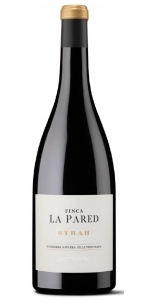
Finca La Pared Syrah is made from 100 percent Syrah.
Finca La Pared Syrah shows an expressive nose of dark fruit aromas and a mineral character.
Intense, direct, playful. Balance of forces.
Review:
The first vintage here was 2018. The 2019 Syrah is a saturated purple hue with a smoking good bouquet of smoky black fruits, cured meats, and leather, and it hits the palate with full-bodied richness, a plush, layered mouthfeel, and ripe tannins. It's balanced, has a deep, rich, concentrated style, and a great finish.
-Jeb Dunnuck 93 Points
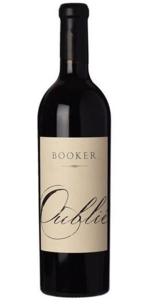
Booker Vineyard Oublie Red is made from 33% Syrah, 30% Grenache, 28% Mourvèdre, 5% Tannat, 4% Petite Sirah
Oublié's blend is always Grenache, Syrah and Mourvèdre – the California version of a Châteauneuf du Pape. The namesake is a play on the French term for "forgotten." Rhône varietals grow beautifully on the estate and Booker believes that they are far-too-often forgotten when you think of a California wine. Deep ruby/purple in color, this hearty expression of a Paso GSM boasts confident notes of boysenberry, licorice and cedar on the nose. On the palate, the taster is rewarded with lively flavors of raspberry coulis mingled with blonde roast coffee and chocolate ganache. For lovers of Mourvèdre, this vintage of Oublié will show off. It drinks bolder than prior vintages, mostly because the Mourvèdre was so special in '19.
Oublié is traditionally one of Booker's most food-friendly wines and should pair well with most dishes.
Review:
The 2019 Oublié is a blend of Syrah, Mourvèdre, Tannat and Petite Sirah with a medium ruby-purple color. The nose offers gregarious mixed berry preserves and accents of potpourri, mint and fragrant earth. The palate offers juicy appeal and powerful fruit with loads of spice and floral perfume, bursts of freshness and firm, pleasantly rustic tannins, finishing very long.
-Wine Advocate 97 Points
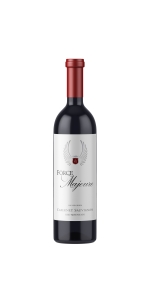
Force Majeure Cabernet Sauvignon Red Mountain is made from 100 percent Cabernet Sauvignon.
The estate Cabernet Sauvignon is grown primarily along the southwest ridge of the vineyard. The vines produce small berries with bountiful flavor, concentration and intensity, but also a good degree of finesse, excellent structure and layers of complexity that will continue to develop during extended bottle aging for those who want to cellar and age their wines. The wine is powerful, elegant, full-bodied.
Bottled unfined and unfiltered.100% free run
Pumpovers and punch-downs, up to 45 day macerations
Native yeast, 5 day cold soaks
22 months in 75% new French oak barrels
Fermented in concrete and stainless closed top tanks.
Review:
Another gem is the 2019 Cabernet Sauvignon Red Mountain Estate, a deep, concentrated, powerful Red Mountain Cabernet Sauvignon that I suspect will be up there with the legendary wines from this terroir. Beautiful cassis, graphite, lead pencil shavings, and damp earth notes give way to a full-bodied effort that has a liqueur of rocks-like minerality, flawless balance, building yet polished tannins, and a great finish. Hide bottles for 4-5 years, and it will evolve for 25-30 years if properly stored. Best After 2026.
-Jeb Dunnuck 98+ Points
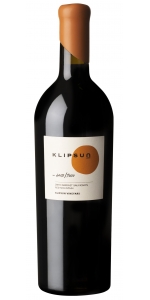
Klipsun Cabernet Sauvignon Red Mountain is made from 86% Cabernet Sauvignon, 7% Merlot, 7% Syrah.
Fruit aroma of blackberry, mulberry and boysenberry, interlaced with a spicy oak note. As the wine ages in the bottle the oak and fruit aromas will meld into a complex medley of cedar and cigar box. Rich blackberry and a hint of wild sage normally found. Pleasant acidity and a rich, balanced mouthfeel followed by a well-developed mid palate. The result is a tannin structure that is evident but seamless. The finish is smooth and lingering.
Review:
Blended with 7% Merlot and 7% Syrah, the 2019 Cabernet Sauvignon Red Mountain starts with a bold, generous and dark-fruited nose with a rich and robust expression that boasts a seductive oaky essence. Full-bodied, the palate is still tight and will benefit from additional aging in bottle, yet I can see it has good bones now that will allow it to age gracefully for about two decades. Gobs of dark red and black fruits sway with a delightful mineral tension before concluding with a long, winding and spicy finish. The wine rested for 20 months in all new French oak before being bottled and left to rest for more than a year prior to release.
-Wine Advocate 95 Points
Alto Moncayo Red Veraton is made from 100 percent Garnacha.
Veraton is the third wine Alto Moncayo produces from the Garnacha grape, from vines between 30 and 50 years old, and aged in barrels for 16 months. It is a wine with an attractive collection of balsamic notes, of chocolate and black fruits, very warm in the mouth and an extremely pleasant finish.
Review:
A silky red, offering an enticing, incense-laced range of raspberry puree and black plum reduction, dried lavender, iron and Earl Grey tea. Medium- to full-bodied, harmonious and fresh, with subtle hints of mocha and smoke enriching the finish. Drink now
-Wine Spectator 91 Points
Bodegas Alto Moncayo is a winery located in the Campo de Borja D.O. It was founded in 2002 with the aim of turning it into a world reference for Garnacha wines of the highest quality, crafted from some of the oldest native vine clones in the area.The garnacha grape is one of the varieties that best expresses its terroir. Thus, the Garnacha of Alto Moncayo is different from the rest of the Campo de Borja D.O area. This is due to the very strict selection made from the vineyards, the type of soil in which it is grown, the microclimate, and the age of the vines.
Located in Borja- the heart of the Campo de Borja DO . Vines are planted at the foothills of El Moncayo which is the highest point in the Iberian Mountain Range (2,315 m) and the winery's namesake. The region experiences a continental climate with hot summers and cold winters. Vineyards are planted on very unique soils of red clay (indicative of being rich in iron) mixed with red slate, and because of the hillside location are shallow and nutrient-deficient.
The Garnacha grapes of Alto Moncayo undergo very strict vineyard selection, from vines planted as far back as the early 1900's through the 1970's. Only the most perfectly mature clusters are selected and carried in small crates to prevent crushing, where they are further sorted and selected at triage tables. Wines undergo malolactic fermentation in both French & American oak, and aged in new barrels between anywhere from 16-24 months. These practices, in combination with the unique microclimate of the area ensure superior quality Garnacha that is distinct from any other in the Campo de Borja D.O.
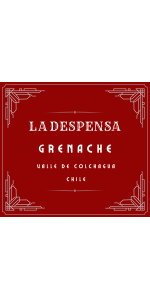
La Despensa Boutique Colchagua Grenache is made from 100 percent Grenache.
Clean and fresh, like all our wines, with varietal typical notes of fresh summer fruit but with slightly grippy tannins that will enable the wine to age. Translucent in color, typical of newer vine Grenache.
Very versatile and pairs well with almost any type of food. Would go great with pulled pork and rich tomato based pasta sauces
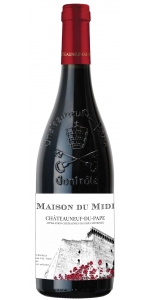
Maison du Midi Chateauneuf du Pape Rouge is made from 84% Grenache, 11% Syrah and 5% Mourvèdre.
Maison du Midi Chateauneuf-du-Pape is designed to be a very fruity and fresh CDP with structure. Different flavors of red and black fruits with a hint of pepper and spice notes.
Review:
"The 2023 Châteauneuf du Pape comes from the Brotte family (where the fruit is sourced) and is 90% Grenache and 5% each Syrah and Mourvèdre. Already bottled, it has a juicy, upfront, undeniably delicious style that brings both red and black fruits, some peppery, herbes de Provence-like nuances, medium to full body, and an upfront, ready-to-go style."
- Jeb Dunnuck (Importer Highlight: Fran Kysela ; July 2024), 91 pts
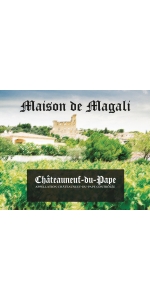
Maison de Magali Chateauneuf-du-Pape Rouge is made from 84% Grenache, 11% Syrah and 5% Mourvèdre.
Maison de Magali Chateauneuf-du-Pape is designed to be a very fruity and fresh CDP with structure. Different flavors of red and black fruits with a hint of pepper and spice notes.
Pair with grilled meat and vegetables. Also excellent with cheese and dark chocolate dessert.
Viejo Isaias Juana Cabernet Franc is made from 100 percent Cabernet Franc.
Cabernet Franc has an intense bright velvety red color. In the nose this wine reveals a complex expression marked by fresh berries followed by hints of floral aromas. It also displays some smoke and vanilla from the oak barrels. It is rich and balanced in the mouth with an elegant tannic structure and long fresh fruit end.
Vineyard information:
Location: Perdriel, Luján de Cuyo, on the highest area of the Mendoza river - Mendoza.
Altitude: 950m above sea level.
Soil: Stony, from Alluvial origins
Coming from our estate vineyards in Perdriel and Lujan de Cuyo.
Aged in 50% French and 50% American Oak barrels for 12 months. First and second use only.
Wine was slightly filtered before bottling.
Excellent when paired with red meats, pasta with spicy sauces, matured cheeses.
Review:
"Hints of plums and dark berries with some dried flowers, following through to a medium body with round tannins and a juicy finish. Bigger in nature. Drink or hold."
- James Suckling (March 2022), 92 pts

Fullerton Three Otters Rose is made from 60% Pinot Noir, 40% Pinot Gris (7-50 years old)
This Willamee Valley blend hails mainly from three different vineyards in the north, east, and south of the Willamee Valley, with a smaering from five of our other sites. The soils of the vineyards represent the breadth and diversity of the Willamee Valley with both sedimentary- and volcanic-based soils.
Acid: TA 5.6 g/L
pH: 3.45
Aging: 100% stainless steel
Bottled Unfined
Clones: Pommard, Wadensville, Dijon 113, 114, 115, 667, and 777
Winemaker Alex Fullerton and his father and proprietor Eric Fullerton couldn’t decide on a house style for rosé, so they held a friendly competition. They each made a rosé to see whose would win over a crowd. Though the wines were destined to be boled separately, Alex got curious and tried blending the two. Voila! The sum was better than the parts, and a tradition was born. Alex now makes one rosé that is whole cluster pressed and tank fermented, yielding a very crisp and light colored wine, while Eric crafts his rosé from a more robust extraction, which yields a darker and fuller-bodied wine. The two lots are then blended to taste, delivering a crisp, fresh rosé with wonderful structure. The juice spent three weeks on the gross lees prior to fermentation to extract aroma precursers, and then six months on lees post-fermentation.
Pairs with soft cheeses, chicken/turkey.



