
" We don't sell the wine without touching the vine "
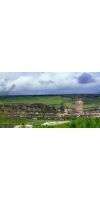
Arlanza is a tiny wine producing region in Spain that is one of the freshest regions that has been labeled DO status. This lush region produces quality wines, although it is small in size. In 2007, the region was given the upgrade, although wine is said to have been produced in the region ever since the 7th century. It is said that the first recorded evidence of winemaking in the region is in the 12th century by monks who bought the vineyards in the region. In the late part of the 1800s, disease ravaged the vines, and the grapes had to be replanted. Soon after, the vines flourished. The region’s name comes from the Arlanza River, which snakes through this Spanish region.
The climate is hot and dry in the summer and is cold during the winter, and gives wines here their signature flavor. The Arlanza region sits in Burgos, Castile, Leon, and Palencia regions of Spain and there are currently 11 wineries in the region. Several varieties are planted in the region and the region has a yield limit for these varieties—giving roughly 10,000 kg for white wine grape types and around 7,000 for red wine grape types. Since the region is small, the lowest number of vines that can be planted is 2,000 vines.

All older vintage wines have been purchased from a single collectors cellar. Pictures can be requested before shipment.
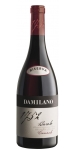
“1752” is the name of the Damilano Barolo Cannubi Riserva, in honor of the year in which the historic bottle was first marked “Cannubi”. It still exists today perfectly conserved by the Manzone family in Bra, close to Barolo. The bottle is clearly marked as being of “1752” vintage, indicating that Cannubi historically precedes Barolo.
About the Vineyard:
The Cannubi Cru is in found within one of the 6 core zones which comprise a UNESCO heritage site in Italy. A mixture of Tortonian and Helvetian calcareous marl gives the grapes intense aromas of cherry, plum and tobacco, rose and violet in sequence. Its low potassium and high calcium/magnesium content offer the wine a fine and polished touch. The vineyard is located at about 270 m. a.s.l. and has a south-east sun exposure. Barolo Riserva Cannubi 1752 It is a small plot of about 2 hectares of Nebbiolo vines, currently between 30 and 50 years of age.
Tasting Notes:
Garnet ruby red in color, the bouquet is intense and balanced, with notes of violet, red fruit, cherry and plum, spices, liquorice, cocoa, leather and tobacco. Dry, robust, full-bodied, very persistent, rich and velvety
Food Pairing:
This wine is excellent with typical piedmontes pasta (tajarin, ravioli); perfect with red meat, braised and roast meat, game and absolutely ideal with all types of cheeses.
Review:
“Incredible, reserved ripeness and depth already evident on the nose after one whiff, offering plum, cedar, rose hip, sandalwood, and licorice. Full-bodied with superb depth of fruit and an abundance of polished tannins that give the wine poise and grace, even though it’s long and powerful. The quality of the tannins are exceptional. Sheer and refined. This comes from the center of Cannubi.”
-James Suckling 99 Points
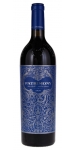
Daou Vineyards Patrimony Cabernet Sauvignon is made from 65% Cabernet Sauvignon, 35% Cabernet Franc.
Dark crimson hues shimmer in the glass. Concentrated aromas of plum, blackberry jam, blueberry, boysenberry and licorice are accentuated by hints of wildflowers, cedarwood, sage and wet stone. Bright tannins and mouthwatering acidity are balanced by sleek oak notes, all seamlessly interwoven into a symphony of blackberry, chocolate, pomegranate, tobacco and graphite. This full-bodied and flawlessly intricate wine will surprise you now with its elegance, and later with its longevity.
Review:
Dark-fruited and toasted aromas of wild blackberries, tobacco, seaweed and orange zest. The palate is full-bodied with finely integrated tannins and bright acidity. It shows notes of bramble berries, leather, graphite and roast meat. Wonderfully balanced and fresh. Drink or hold.
James Suckling 96 Points



