
" We don't sell the wine without touching the vine "
The Hope family has been farming in Paso Robles for more than 30 years. When they arrived in this barely-discovered region, they planted apples and grapes. Little did they know that the rolling, oak-studded terrain of Paso Robles would one day become a viticultural terroir of significance and one of the top winegrowing regions for quality red wine within the Central Coast.
Gone are the apple orchards. Today, the Hopes cultivate mature vineyards of the varieties best suited to their area including Cabernet Sauvignon, Syrah, Merlot, Mourvedre and Grenache. Vine density has increased and each vine is asked to produce very little fruit. The terroir of this domain expresses itself in its unique regional character. Regardless of the varieties planted, the expression of Paso Robles is displayed in the glass with spice, licorice and berry in the nose, soft textures and silky tannins on the palate.
Hope Family Wines consists of six individual brands: Liberty School, Treana, Quest, Austin Hope, Troublemaker, and Austin.
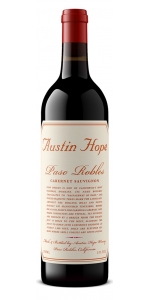
Austin Hope wines are the standard bearer of luxury Cabernet Sauvignon from Paso Robles. Austin Hope saw the future of Paso Robles when he created his namesake Cabernet Sauvignon starting in 2017. This wine was the culmination of years of exploration, and it immediately made its mark by becoming one of the region’s most decorated wines. Today, Austin Hope Cabernet Sauvignon is synonymous with our personal quest to elevate Paso Robles on the world stage.
Review:
There's a significant spice of oak that comes through on the nose of this bottling, with solid blackberry fruit as well. The palate combines black cherry and blackberry syrup with root beer spices, as the finish lingers atop tannins amid vanilla, nutmeg and oak spices.
-Wine Enthusiast 92 Points
Saumaize Michelin Pouilly Fusse Premier Cru La Marechaude is made from 100 percent Chardonnay.
A beautiful Pouilly-Fuisse from "La Marechaude" parcel that Saumaize-Michelin acquired in 2013. Planted on clay and limestone slopes and hand harvested, this Chardonnay offers fresh and elegant notes of white flowers, crisp, citrus and exotic fruits. Powerful and mineral on the palate with a fantastic balance, finesse and freshness. The exceptional terroir brings minerality and juicy flavors of stone fruits, peach and melon supported by subtle toasty notes.
It is now a Premier Cru.
Jasper Morris - Inside Burgundy 94 Points
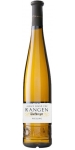
Wolfberger Alsace Grand Cru Riesling Rangen de Thann is made from 100 percent Riesling.
Mineral, spicy, minty with some eucalyptus notes, tropical fruits, grapefruit. Balanced and exotic in the finish, with long lasting flavors.
The Rangen Grand Cru is located in Thann, deep in the south of Alsace. Its particular soil is made of volcano-clastic rocks that drink up the heat of the day and send it back out again at night. The composition of the soil allows the roots of the vines to drink deeply from the mineral-rich sub-soil. Its southern exposure has the advantage of refreshing, drying winds in case of dampness. The high slopes are quite steep, reaching 68% in some places, requiring that the harvest be done by abseiling or roping down. Perfect for aging, these wines will reveal even more qualities after several years in the cellar.
Pair with fish, seafood, sushi, sashimi, goat cheese, vegetarian food.



