
" We don't sell the wine without touching the vine "
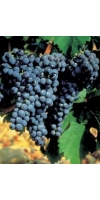
Carignan is a red wine grape that most believe originated in Spain in the Aragon region. Carignan was later transplanted to Sardinia, Italy, Algeria, France, and the majority of the New World. Carignan was considered to be one of the predominant grapes that was responsible for France’s wine lake. Wine regions and vineyards in California rarely use Carignan to produce varietal wines, but some old vines do exist. Carignan is used in Australia as the main component for blended wines. Carignan was crossed with Cabernet Sauvignon producing Ruby Cabernet. Because of its upright growth pattern, it can be grown without the use of a trellis. Historically a component of the neighboring region Rioja, Carignan gained popularity in Algeria and was the leading export to France. When Algeria gained independence in 1962, the Carignan wine supply was cut off and wine growers began to plant Carignan vines in southern France. Carignane became the most widely planted vine in France in 1988 with 167,000 hectares of Carignan. The Carignan vine can produce large yields, nearly 11 tons per acre, and a high sensitivity to grape worms, downy mildew, powdery mildew, and rot. The Carignan grape buds late and ripens in a warm climate, which is mandatory for full ripeness.
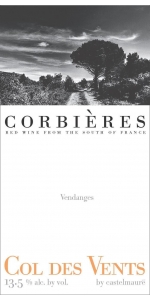
Castelmaure Col des Vents Corbieres is made from 50% Carignan, 30% Grenache, 15% Syrah and 5% Cinsault.
"Col des Vents" means "Windy Mountain Pass" as it is quite windy and located at the foothills of the Pyrenees mountains.
Originally, the label was a replicate of a Max Savy's painting.
Brambly berry, cherry and raspberry, spices, black pepper ... all are present in this authentic French country wine. There are also some aromas of Garrigue (Rosemary, thyme and lavender) giving a minty, herbal notes, that are quite refreshing as well.

Castelmaure La Buvette is made from 60% Grenache, 40% Carignan
Vinification: Grenache - destemming in low temperature, short maceration..
Carignan - carbonic maceration.
Fining, filtration, cold stabilization.
A purple color, intense aromas of strawberry and cassis. Fresh and fruity in the mouth with silky smooth tannins. Great as an aperitif, it also pairs well will grilled meats, salads.

A complex Carignan mixing black fruits and spices. Intense color and fine structure with rounded tannins and volume in the mouth.
RS: 2g/L
The fruit was carefully sorted to ensure only healthy, ripe grapes were vinified. Traditional fermentation took place in stainless steel tanks at controlled temperatures of 28°C with selected yeasts. Remontage or pump overs took place periodically to oxygenate the wine and extract tannins. A short post-fermentation maceration took place to extract color, flavor and impart structure to the wine. Ageing in stainless steel preserved the integrity of the pure fruit character. The wine was lightly filtered before bottling.
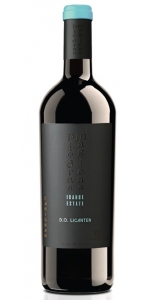
Vina La Ronciere 'Piedras Magicas' Idahue Estate Carignan is made from 100 percent Carignan.
Piedras Mágicas is hand-selected from small blocks in the Idahue vineyard based on specific soil compositions and microclimate characteristics. The final blend is comprised mainly of Carignan and complemented by other varieties in small proportions determined by vintage.
Located 15 miles from the Pacific Ocean, La Ronciere’s ambitious 500 acre Idahue Estate is their vision for the future. Prevailing coastal breezes, abundant sunshine, and rolling hills of ancient soils culminate in a privileged climatic and geological landscape. Years of research and a forward-looking approach drove the successful effort that saw Licanten granted D.O. status in 2018.
This wine displays a deep red color and offers aromas of black- berry, plum and floral notes. A complex palate of black fruits combine with pleasing notes of vanilla. Its volume and silkiness stand out. Juicy tannins and persistent acidity retains balance and elegance.
Review:
This wine displays a deep red color and offers aromas of black-berry, plum and floral notes. A complex palate of black fruits combine with pleasing notes of vanilla. Its volume and silkiness stand out. Juicy tannins and persistent acidity retains balance and elegance
-Tim Atkin MW 94 Points
Pago de Carraovejas El Anejon is made from 93%, Cabernet Sauvignon 5% and Merlot 2%.
El Anejon vineyard is a terraced plot on a steep slope, oriented toward the sun and with great views of the Castle of Peñafiel. The soil of the narrow terraces has a compact, loamy limestone texture. The presence of the white-colored limestone calcium salts contributes to a distinctive minerality in this wine. Only made in exceptional vintages.
Review:
"A single-plot wine from the top terraces of the site from an excellent vintage, the 2021 El Anejon is powerful and truly outstanding. Tempranillo is blended with Cabernet Sauvignon and Merlot to an exceptional end, aged 12 months in larger French oak barrels after a triple selection of the grapes. Sharp red fruit has an underbelly of herbal earthiness beneath the fruit, while tight, refreshing acidity accentuates the mineral-driven texture. Bottled in June 2023, this might be the producer’s best wine of the vintage, which is saying a lot, as they’re all of outstanding quality. This will hit a high point in 5-7 years and keep going another 20. - Virginie BOONE"
- Jeb DUNNUCK (August 2°25), 98 pts
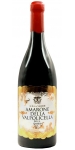
The first kosher Amarone! Amarone undergoes a very unique process prior to fermentation. In late October, grapes are harvested and allowed to dry for around 120 days. Known as the “appassimento” technique, the drying process traditionally occurs on straw mats or in temperature controlled drying chambers. This process helps concentrate the juices and increases skin contact, giving the wine a very ripe, full-bodied flavor. There is no other wine like it! The unique flavors of Amarone, including dark chocolate, coffee, dark fruit and light notes of cherry, pair beautifully with steak, stews, and bold cheeses.
The color is deep bright, ruby red with a violet edge. Powerful bouquet and intense aromas of cherry, ripe plum, toasted almond, and vanilla. A full bodied wine with round and rich flavor.



