
" We don't sell the wine without touching the vine "
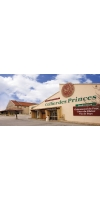
Cellier des Princes Estate
Created in 1925, the Cellier des Princes is the only cooperative cellar on the Chateauneuf du Pape area. They currently have 185 winegrowers.
Our wines are vinified with a great number of grape varieties – up to thirteen for the Chateauneuf du Pape. The main grapes used are the Grenache, the Syrah or the Mourvedre together with a whole set of ancient varieties.
Our wines always reflect their origin : deepness of the pebbles for strength, dryness and hot sandy soils for power and spices, chalky sandstones for structure, clayey – siliceous hillocks for richness and roundness.
Further to the phylloxera crisis which devastated the french vineyard at the beginning of the XXth century, some of winegrowers gathered in order to create their own structure of production. Their number soared very quickly and spread over a whole of villages producers of Chateauneuf du Pape appellation.
In 1960, the winery took the name of the “Cellier des Princes” in reference to the rich medieval history of Courthezon. The winegrowers of the Cellier des Princes want to defend and illustrate the values of rigour and faithfulness which were those of the Princes of Orange. Each winegrower owns a small vineyard and works for the common interest of the cooperative cellar. The Cellier des Princes, as a winemaking and marketing instrument, represents the development of each individual vineyard. Thus, maximum quality is guaranteed from the harvest to the wine tasting.
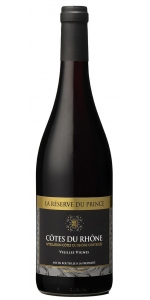
La Reserve du Prince Cotes du Rhone Rouge Vieilles Vignes is 80% Grenache, 10% Syrah and 10% Mourvedre.
This ruby red coloured wine with purple glints develops red fruits aromas and spicy overtones. In the mouth, this wine is smooth and its supple structure emphasizes aromas. Fruitforward and easy drinking wine showing light spices and silky tannins. A perfect everyday wine.
This delicious juicy wine can be enjoyed now with steak frites, any Mediterranean dishes, pizzas, grilled chicken and cheese.
Luis Canas Rioja Hiru 3 Racimos is 100% Tempranillo
60 years old vines
Alcohol: 14,5º
Total acidity: 6,0 gr/l
Volatile acidity: 0,50 gr/l
PH: 3,47
Free SO2: 25 mg/l
Reducing sugars: 1,8 gr/l
This wine is a response to our quest to find the perfect wine, one that combines structure, complexity and balance. It is the result of a careful selection of grapes not from the vines but from the appropriate clusters, those that naturally produce three or less clusters and which are 60 or more years of age. Vines situated on slopes and terraces of limestone and clay soil, well exposed to the sun. These grapes are harvested in small boxes at the very best moment, then inspected on the selection table and vinified in small groups at a controlled temperature. After alcoholic fermentation they are macerated to extract their full potential. The resulting most is then settled in new French and American oak barrels to undergo malolactic fermentation. This second fermentation ensures the wine gains in complexity and aromatic intensity, it also stabilises its colour.
Fully ripened and concentrated fruit aromas with balsamic and spicy mineral nuances, notes of blackberry and blueberry preserve wrapped in creamy oak, caramel and milky coffee tones. The palate is concentrated, unctuous in the centre, balanced, sweet, with fine tannins. Very long finish, expressive, clearly marked with the character of the soil.
Hiru 3 racimos is a complex wine and so is its pairing with food. We must consider two options, either drink it in light sips so that the wine itself is the star of the feast, or serve with solid dishes that can match its vigour. An Iberian pork loin with roasted peppers, steak with mushrooms and plums, wild boar stew or pheasant in port are dishes that blend incredibly with this characterful wine.
Philippe Milan Pommard AOC is 100% Pinot Noir.
This wine has been aged in Oak (25% new Oak).
This is a little more structured and the style goes more toward the
"vin de garde", or wines meant to age. This wine needs some food, or sometime
in the decanter right now. It is well structured and reminds me of a Volnay. As
a matter of fact, the parcel is located right next to Volnay. The finish is
long and still quite juicy with chewy tannins lingering.



