
" We don't sell the wine without touching the vine "
The quest of the brothers Bruno and Marcello Ceretto was to select vineyards in the most valuable positions historically. This idea came about during a trip to Burgundy, and would prove the family’s insight and see their Barolo and Barbaresco wines among the most popular in the world. A revolution at the time, for a territory in which the concept of cru was totally unknown, but, above all, a brilliant idea. The most difficult challenge the brothers faced was convincing their father who, as was typical at the time, purchased grapes for the wines he vinified. You are undertaking a difficult journey, the land has never made anybody rich, he warned, but Bruno and Marcello were convinced about the potential of the land and stubbornly replied, We believe in the land 100%, the winery is obviously important, but great wines are made with great grapes. And so, they began dreaming of labels bearing the name of the vineyard and also its image: so whoever drinks that wine can see the vineyard from which it has originated. The vineyard is history, the names of the hills remain, unchanged over time, enhancing the quality and credibility of the wines produced here. You can search out, visit and physically touch a vineyard… always. In 1986, Wine Spectator, perhaps the most influential American magazine in the world of wine, puts the two Langhe brothers on the cover calling them the Barolo Brothers. Bruno and Marcello were less than 50 years old, but they were not overwhelmed by what was an official consecration, to which all aspire, but few can obtain. Even today, they have remained true to themselves, they have not stopped dreaming and fighting for their righteous goal. Meanwhile, the Langa has grown with them and with those who, like them, puts their name to the land where they were born and accompanied them throughout their lives.
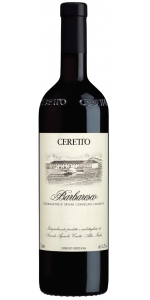
Ceretto Barbaresco DOCG is made from 100 percent Nebbiolo.
If we could sum this wine up in a single word, we wouldn’t hesitate to define it as “classic”. As tradition suggests, this Barbaresco is the fruit of the assembly of several parcels of land, coming from some of our most beautiful vineyards. The idea is that of naturally obtaining balance by harmonizing different expressions, often contrasting ones. The result is a liquid expression of a terroir, tempting and typical, a synopsis of one Langa, that of Barbaresco, which moves in the glass, alternating between structure and elegance.
Review:
Very aromatic with orange blossom, roses and iron. Medium-bodied with very fine tannins. Refined and beautiful. Drink now or hold.
-James Suckling 93 Points
La Rioja Alta Gran Reserva 904 is made from 90% Tempranillo, 10% Graciano
The 2015 Gran Reserva 904 Tinto offers great aromatic complexity, with notes of wild strawberry, red cherry, plum, blackberry and cranberry combined with aromas of tobacco, brioche, ground coffee, caramel, cedar and cinnamon blossom. The alcohol and acidity are elegantly balanced on the palate and its polished, gentle tannins and freshness provide a smooth and refined mouthfeel. Fine, delicate and very long aftertaste, that will continue to be rounded with time in the bottle, making this new Gran Reserva 904 a wine with great cellaring potential.
Especially recommended with all kinds of meat and stews, seasoned fish and desserts with chocolate or red fruit toppings. Perfect as an after-dinner drink.
Review:
A perfumed nose of plums, mulberries, mushrooms, caramel, sweet tobacco and sweet spices. Full-bodied with velvety, fine tannins and lively acidity. Balanced and supple with a creamy texture. Delicate and precise with a long, polished finish.
- James Suckling 97 Points
Elton Bay Sauvignon Blanc is made from 100 percent Sauvignon Blanc.
Strung between serene beaches, sculpted coves and wild, rugged mountains, the coastline of South Africa stretches for thousands of miles from east to the west. Drawn to its wild beauty, many a leisure adventurers discover the pristine serenity of unnamed, secluded bays to claim as their own.
Elton Bay Sauvignon Blanc offers tropical fruit and delicate pear drop aromatics with subtle green notes and a hint of minerality on a refreshing, crisp finish.



