
" We don't sell the wine without touching the vine "
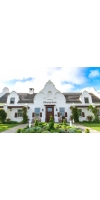
The Chimney Rock estate began to take shape in 1980, when Hack and Stella Wilson purchased a 180-acre parcel – which included a golf course – situated on the east side of the Silverado Trail. They built their country house based on Cape Dutch-style architecture and started planting vineyards shortly afterwards.
The first 59 acres were planted with a combination of red and white grapes, and the premier vintage of Chimney Rock estate wines was produced in 1984. In the early 1990s, the Cape Dutch-style winery building (with the massive allegorical frieze of Ganymede, cupbearer to the gods) and the tasting room were added to the estate. In 2000, the Terlato family joined the Wilson family as partners in the winery with added resources and the goal of enhancing Chimney Rock’s reputation for producing some of the world’s great estate Cabernet Sauvignons. In 2002, the remaining land, covering 46 acres, was planted entirely to Cabernet Sauvignon.
Since the Terlato family assumed sole ownership of Chimney Rock in 2004, they have had a clear vision of the potential of this great estate. They have steadfastly supported and shepherded only the highest standards in viticulture and winemaking. The Chimney Rock estate now comprises 119 acres of vineyards divided into 28 distinct blocks, allowing for highly specialized viticulture suited to each specific site.
Each year is a learning opportunity to continue to try different yeasts, different barrels, cap management techniques, and aging procedures. The goal of every vintage is to continue fine-tuning and producing the best expression of our renowned Stags Leap District estate red wines and our unique estate white wines.
The journey of winemaking begins every year as we pay close attention to watching our fruit develop, obsessively monitoring the growing season. We observe the fruit characteristics so that when our grapes are harvested, we are ready to make the critical decisions which will create magic in the barrel.
Winemaking is a life-long journey, and we are committed to learning from our grapes and listening to our vineyards to produce the best wines we can, year after year.
hen the Terlatos first became involved with the estate, they recognized that to make unique wines of exceptional quality, the estate’s world-class vineyards would require a winemaking facility of equal caliber. Accordingly, in 2002, they dedicated significant resources toward building a state-of-the-art winery. This new winemaking facility offers our winemaking team the ability to ferment each and every vineyard block separately, while also conducting small-lot experiments to fine-tune and further express the true spirit of the Chimney Rock estate. The accompanying climate-controlled barrel rooms allow for long-term aging of Chimney Rock wines in French oak barrels at the ideal temperature and humidity. What starts in the vineyard comes to fruition in the winery. Winemaker Elizabeth Vianna is deeply cognizant and intimately familiar with the estate's vineyards, and she fully captures the estate's unique terroir through meticulous vineyard management and careful, artistically minimal winemaking principles. This “non-interventionist” style of winemaking allows the winemaker to fully utilize that which this wonderful and unique Stags Leap soil is capable of delivering. The end result offers wines that are pristine and authentic in terms of varietal character, accompanied by a velvety taste in the mouth and astounding softness, balance, and cohesion.
Our practices include:
Of the 100 oldest businesses in the world, 10 of them are wineries. Family ownership and caring for the land allows for this type of longevity. As such, sustainability requires a long-term perspective — one that we fully embrace. We view ownership and participation in terms of generations. As stewards of the land, management of our certified green estate, with minimal impact, is of paramount importance. At Chimney Rock, it is this responsibility that guides our viticulture and winemaking processes.
The result of all this careful attention to the vines at Chimney Rock is a true expression of Stags Leap District “terroir” –— wines that resonate with intense flavors of cassis and blackberry, are refined, rich in color, balanced with finely structured tannins that — making our wines drinkable upon release, and for many years as they age gracefully.
All the grapes for Chimney Rock’s Cabernet Sauvignon and Bordeaux style red blends are grown on the winery’s 131-acre estate at the southern end of the Stags Leap District. The winemakers capture the estate’s unique terroir through an innovative and meticulous approach to vineyard management.
The team has put resources toward individually developing, cultivating, and harvesting each unique vineyard block to maximize its potential. This intensely focused hands-on approach has led to the creation of 28 distinct vineyard blocks on our property.
In our pursuit to produce unique wines, we selected a few of the most distinctive vineyards to showcase the depth, range, and elegance of Stags Leap District Cabernet Sauvignon. The Tomahawk, Alpine, Clone 7 and Ganymede vineyards are all within a quarter mile of each other; however, they each display remarkable and consistent individuality. Often wildly different from one another, these wines truly reflect the singular nature of the Chimney Rock estate, and it is no surprise that these wines are among the most coveted by our wine club members.
One of the many blessings we celebrate at Chimney Rock is the remarkable diversity of soil types in our vineyards. Our winemaking team individually develops, cultivates, and harvests each unique area to maximize its potential.
No products found
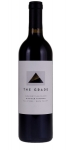
The Grade Napa Cabernet Sauvignon Winfield Vineyard is made from Napa Valley Cabernet Sauvignon.
“This wine expresses a focused balancing act of dark, rich black fruit, and a fine tannin structure, illuminated through the core with a laser-like acidity. The wine displays a deep purple-red hue with a cranberry halo. Aromas of cassis, cinnamon, citrus oil, roasted meat, and lilac swell from the glass.
“The palate is marked by a wave of jet-black brambly fruit up front, followed by an exotic spice mid-palate and a long, complex finish that lasts and lasts expressing notes of flowering jasmine, and oolong tea. The silky tannins hold everything together and will certainly allow this wine to evolve in the cellar for at least 7-10 years.” - Thomas River Brown
Review:
Coming from the Winfield Vineyard in Calistoga, the 2016 Cabernet Sauvignon is another brilliant wine from the hands of winemaker Thomas Rivers Brown. This deep purple-colored effort boasts tons of blueberry and jammy blackberry fruits as well a medium to full-bodied, concentrated, yet elegant style on the palate. It has the purity of fruit that’s the hallmark of the vintage, ripe, sweet tannins, and no hard edges, and is already hard to resist.
-Jeb Dunnuck 94 Points
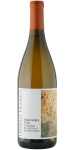
Floral notes leap out of the glass of the 100% Estate-grown Chardonnay 2022, with notes of jasmine, gardenia and lemon blossom. The contribution of low-yielding CH548 blocks seem to impress their character on the late vintage. The palate is round and fresh, entering with green apple and creamy lemon, which develop into chamomile and sea salt, with a round-textured, long finish of floral and saline notes.
The Estate Chardonnay will be an excellent accompaniment to rich and subtle dishes such as halibut with chanterelle sauce, plank smoked copper river xalmon with dill mayonnaise, Lobster Newberg, Quenelles de Brochet avec sauce a l’Armoricain, black cod with shellfish sauce. It is equally delightful with more casual dining options featuring béchamel sauces or cheese-rich dishes, such as a fondue, pasticcio or even lasagna.
Revieww:
The medium yellow/straw-colored 2022 Chardonnay Estate has a forward feel in the glass, with a great nose offering notes of bright flinty reduction, green apples, lime zest, and white flowers. Medium-bodied and long on the palate, it has persistent drive, with a pure savory feel and a graceful saline finish with a note of lime pith. It will drink well over the next 10 years.
-Jeb Dunnuck 94 Points



