
" We don't sell the wine without touching the vine "
| BUY MORE! SAVE MORE! | ||||||||||||||||||||
|
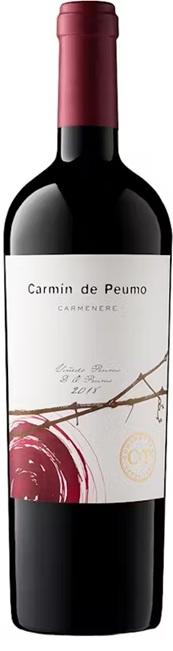
| Country: | Chile |
| Region: | Cachapoal Valley |
| Winery: | Concha y Toro |
| Grape Type: | Carmenere |
| Organic: | Yes |
| Vintage: | 2018 |
| Bottle Size: | 750 ml |
The Peumo Vineyard is located 170 m above sea level and extended along the Cachapoal River, on terraces of hills of the Coastal Mountains. The vines come from pre-phylloxera cuttings and are trellised to vertical shoot position and cordon pruned. The soils are deep with an upper layer of clay that retains moisture, which controls the vines’ vigor and growth and allows them to remain active through late May, when the Carmenere is picked.
Deep, dark red with hints of violet. Elegant and mineral on the nose, with notes of blackberry and a touch of blackcurrant. It fills the palate with underlying mature tannins. Deep, concentrated, with a long aftertaste and distinctive hints of the Peumo terroir. This 2018 vintage is characterized by its elegance and freshness; it is a wine with a lot of Carmenere character. Pairs best with elegant but simply prepared dishes such as juicy, rare roast beef, veal, pork tenderloin with roasted beets and cranberries, duck (con t or magret). Also delightful with squash-stuffed pasta with morel mushrooms or aged goat cheese with figs.
Review:
Carmín made its debut with the 2003 vintage, and since then it has come from a selection from Block 32, a sector of the vineyard in Peumo, on the banks of the Rapel River. Of its 28 hectares, seven are actually used and usually produce about 18,000 liters. The vineyards were planted in 1983 on stony clay soils on the hills that flank the Cachapoal River on its way to Lake Rapel. This was a cool year, and that's evident in the herbal notes and red fruits that fill the nose. The palate is generous in ripe red fruits, as well as in the herbal tones that refresh and add complexity at the same time. The texture is friendly, although it leaves room for a layer of very fine, sharp tannins that contribute tension, while the fruits and herbs continue their private party. We think this is the best version of Carmín that we have tried—far from the first Carmíns, which were tremendously ripe and extracted and far from this balance and elegance. Carmenere at the highest level.
-Patricio Tapia - Descorchados 98 Points
Concha y Toro’s history begins in 1883 with our founder’s -Melchor Concha y Toro- dream to create the best wines. A tradition persevered over time, inspiring us to work with passion and excellence in our brands.
Concha y Toro is today the most admired wine brand in the world. Our wines deliver rewarding and unique experiences to our consumers around the world. We are present in over 130 countries.
Our brands -such as Casillero del Diablo, Marques de Casa Concha, and Don Melchor- have conquered their outstanding quality and maintain an undisputed leadership position in the competitive world of wine.
This is part of our history.
-150x300.jpg "Valminor Albarino Rias Baixas 2024")
Valminor Albarino Rias Baixas is made from 100 percent Albarino.
Albariño is a Portuguese grape, native to the Miño River region, which separates Galicia & the Rias Baixas DO from Portugal. Albariño has a characteristic citrus aroma & high acidity.
Valminor Albarino presents a yellow straw color. On the nose, the wine shows a wide fruity range of aromas, with notes of fresh grapefruit, apricot and melon. In the mouth, Valminor combines fruity flavors and freshness with a rounded acidity, resulting in a balanced wine that boasts an opulent taste and slight spritziness.
Review:
"Elaborate swirls of lime, lemon, passionfruit and white peach entice the nose whilst the pristine purity of acidity and mineral freshness disarms the terroir-driven palate. Salty, linear and tangy, demonstrating Atlantic style at its best."
- Decanter World Wine Awards 2025, 97 pts and Platinum Medal

Holocene The Black Square Cabernet Sauvignon is made from 100 percent Cabernet Sauvignon.
There is something ethereal about Cabernet Sauvignon grown in the cobblestone soils of the Walla Walla Valley. This region offers aromatic exuberance, elegance, finesse, a polished texture, layered complexity, and remarkable length. It is a place where one can craft a singular, stand-alone example of this varietal—unique not only in the United States but worldwide—while still echoing some of our favorite wines from Bordeaux.
In 2022, Winemaker Todd Alexander embarked on a new (yet familiar) journey that he had been patiently awaiting the perfect moment to explore. The Black Square is in its inaugural vintage, and this 2022 is 100% Cabernet Sauvignon grown in the Rocks District of Milton-Freewater, Oregon, which is part of the Walla Walla Valley.
The Black Square embodies elegance and grace framed by great structure, supple texture, and acidity to ensure longevity. It shows ample fruit with complex savory notes. This is not a heavy wine that is monolithic and dull—there are already plenty of those available. This wine offers a unique expression of Cabernet; it may be the most delicious wine Todd Alexander has ever crafted, venturing into new territory for Rocks District Cabernet Sauvignon.
Review:
As black as squid ink, The Black Square is balance personified. A concentrated blackberry aroma seems as dark as the wine's name, with equally dark espresso, olive and charred steak notes joining it in the abyss. A dark plum and ripe boysenberry flavor combo is accompanied by traces of salty Mission olives, wet slate and silky smooth tannins. The one bright feature illuminating the way is the wine's amped-up acidity. None so black
-Wine Enthusiast 98 Points Number 5 in the Top 100

Deep red with a slight purple hue on release. The wine has a rich mix of dark chocolate infused with coffee bean and black liquorice, then scents of tar, aniseed, raw (pure) soy and black olive on the nose. The palate is expansive, and yet balanced and finessed. An amalgam of dark berried flavors and textural sensations. The 100% new oak is completely absorbed, meshed with ripe tannins, completing a palate of impressive length and youthfulness.
Parcels of fruit for this wine were identified in the vineyard by the winemakers. Daily fruit inspection led to the fruit being harvested at optimum flavor ripeness. The fruit was harvested at night and quickly transported to the winery. The fruit was destemmed to 6T open fermenters for fermentation. A Shiraz specific yeast was selected to ferment the wine and fermentation was carried out at a maximum of 28°C. The fermenter was manually pumped over twice daily in the first half of fermentation to give the winemakers control of color, flavor and tannin extraction. Pump over regimes were adjusted toward the end of fermentation to suit the tannin and flavor extraction of the wine. The cap was completely broken up on each pump over. The wine remained in fermenters for 6-8 days (dependent on parcel) before being pressed, inoculated with malolactic bacteria and filled to American oak (100% new barrels). The wine was racked post malolactic fermentation and returned to the same barrels. The wine was topped every month and after six months racked and returned to the same barrels again. Prior to bottling the parcels were emptied from oak and blended. Minimal fining and filtration was carried out prior to bottling.
Review:
Only made in top vintages, the 2019 Shiraz Ron Thorn is 100% Shiraz from the St. Kitts Vineyard in Barossa. Killer notes of blackberries, black cherries, smoked tobacco, chocolate, and subtle menthol all define the aromatics, and it hits the palate with full-bodied richness, a round, layered mouthfeel, huge mid-palate depth, and a salty, decadent style on the finish. This monster of a Shiraz stays balanced and light on its feet and is beautifully done.
-Jeb Dunnuck 96 Points

Marques de Casa Concha Heritage is made from 84% Cabernet Sauvignon, 12% Cabernet Franc, & 4% Petit Verdot.
Deep, dark red in color with lush flavors of cherries, blackcurrants, blackberries, cedar, and a bit of black tar. It shows a tremendous concentration of flavors and a smooth, almost silky texture framed by a firm tannic structure that truly stands out at the beginning of the long finish.
This wine pairs beautifully with grilled, roasted, or braised red meats and game in sauces that have a bit of acidity, with tomato or wine or with herbs such as rosemary, thyme, and bay leaf. A perfect wine for most cheeses.
100% estate grown red blend from renowned Puente Alto terroir. Chile’s most acclaimed DO. Upon arriving at the winery, the grapes are destemmed and crushed for fermentation, which takes place in closed stainless steel tanks with daily pump overs throughout the entire 10-day process. The new wine remains in contact with its skins for approximately 10 days, when it is devatted and malolactic fermentation is allowed to take place naturally.
The wine then underwent 16 months in French oak barrels, 40% first use, 60% second use.
El Mariscal vineyard is 600 meters above sea level and is made up of 52.95 hectares, of which 46.23 correspond to Cabernet Sauvignon, 4.52 to Cabernet Franc and 2.20 to Petit Verdot; and it has a density of 5,500 plants/ha, vines that come from mass selection and are mostly on loam. Meanwhile, Don Melchor vineyard is 650 meters above sea level and is made up of 125.96 hectares, of which 112.67 correspond to Cabernet Sauvignon, 1.28 to Cabernet Franc, 2.45% to Merlot, 1.28 to Petit Verdot and 8.28 to ground in rotation. It has a density of 2,000 to 4,000 plants/ha, and the new one (20%), planted between 2004 and 2017 and with a density of 8,000 plants/ha. The vines come from pre-phylloxera mass selection and are on loam. The vineyards are located in the Puente Alto denomination of origin, on the northern bank of the Maipo River, specifically on the river’s third alluvial terrace, which is one of the oldest and that instills great character and elegance to the wines that come from there. The soils are of alluvial origin, rocky, poor in nutrients, and highly permeable due to the amount of gravel in the subsoil, which enables excellent drainage. The climate is semi-arid Mediterranean with a strong influence of the Andes Mountains. This is the coldest part of the Maipo Valley. Its pronounced daily temperature oscillation of approximately 18ºC extends the grape ripening process, concentrating and intensifying its aromas.
Review:
Black pepper and cherry give way to hints of chocolate after some aeration in the glass. The same notes show on the palate and blend with bell pepper. This red comes from the alluvial soils in the D.O. Puente Alto and is full bodied, with a firm structure. Moderate acidity is enough to freshen up the finish.
-Wine Enthusiast 92 Points
Marques de Casa Concha Heritage is made from 84% Cabernet Sauvignon, 12% Cabernet Franc, & 4% Petit Verdot.
Deep, dark red in color with lush flavors of cherries, blackcurrants, blackberries, cedar, and a bit of black tar. It shows a tremendous concentration of flavors and a smooth, almost silky texture framed by a firm tannic structure that truly stands out at the beginning of the long finish.
This wine pairs beautifully with grilled, roasted, or braised red meats and game in sauces that have a bit of acidity, with tomato or wine or with herbs such as rosemary, thyme, and bay leaf. A perfect wine for most cheeses.
100% estate grown red blend from renowned Puente Alto terroir. Chile’s most acclaimed DO. Upon arriving at the winery, the grapes are destemmed and crushed for fermentation, which takes place in closed stainless steel tanks with daily pump overs throughout the entire 10-day process. The new wine remains in contact with its skins for approximately 10 days, when it is devatted and malolactic fermentation is allowed to take place naturally.
The wine then underwent 16 months in French oak barrels, 40% first use, 60% second use.
El Mariscal vineyard is 600 meters above sea level and is made up of 52.95 hectares, of which 46.23 correspond to Cabernet Sauvignon, 4.52 to Cabernet Franc and 2.20 to Petit Verdot; and it has a density of 5,500 plants/ha, vines that come from mass selection and are mostly on loam. Meanwhile, Don Melchor vineyard is 650 meters above sea level and is made up of 125.96 hectares, of which 112.67 correspond to Cabernet Sauvignon, 1.28 to Cabernet Franc, 2.45% to Merlot, 1.28 to Petit Verdot and 8.28 to ground in rotation. It has a density of 2,000 to 4,000 plants/ha, and the new one (20%), planted between 2004 and 2017 and with a density of 8,000 plants/ha. The vines come from pre-phylloxera mass selection and are on loam. The vineyards are located in the Puente Alto denomination of origin, on the northern bank of the Maipo River, specifically on the river’s third alluvial terrace, which is one of the oldest and that instills great character and elegance to the wines that come from there. The soils are of alluvial origin, rocky, poor in nutrients, and highly permeable due to the amount of gravel in the subsoil, which enables excellent drainage. The climate is semi-arid Mediterranean with a strong influence of the Andes Mountains. This is the coldest part of the Maipo Valley. Its pronounced daily temperature oscillation of approximately 18ºC extends the grape ripening process, concentrating and intensifying its aromas.
Review:
Black pepper and cherry give way to hints of chocolate after some aeration in the glass. The same notes show on the palate and blend with bell pepper. This red comes from the alluvial soils in the D.O. Puente Alto and is full bodied, with a firm structure. Moderate acidity is enough to freshen up the finish.
-Wine Enthusiast 92 Points

The Grade Cellar Kingly Project Cabernet Sauvignon is made from Napa Valley Cabernet Sauvignon.
"This is a noble expression of Cabernet Sauvignon" in full regalia, with decadent aromas and a mouthfeel viscous and sleek. "This vintage of the Kingly Project Cabernet Sauvignon enters the scene" -- Thomas Rivers Brown
Review:
The 2018 Cabernet Sauvignon Kingly Vineyard is endowed with tremendous richness and concentration. It emerges from the best spots within Block 5, which is a bit more protected from the elements. The 2018 is a bit closed today, but it has a lot of promise. Time in the glass brings out layers of inky dark fruit and the savory, minerally notes that are such signatures. This potent Calistoga Cabernet needs time to shine, but it is impressive today just the same.
-Vinous 96 Points

The Grade Napa Cabernet Sauvignon Winfield Vineyard is made from Napa Valley Cabernet Sauvignon.
“This wine expresses a focused balancing act of dark, rich black fruit, and a fine tannin structure, illuminated through the core with a laser-like acidity. The wine displays a deep purple-red hue with a cranberry halo. Aromas of cassis, cinnamon, citrus oil, roasted meat, and lilac swell from the glass.
“The palate is marked by a wave of jet-black brambly fruit up front, followed by an exotic spice mid-palate and a long, complex finish that lasts and lasts expressing notes of flowering jasmine, and oolong tea. The silky tannins hold everything together and will certainly allow this wine to evolve in the cellar for at least 7-10 years.” - Thomas River Brown
Review:
The 2018 Cabernet Sauvignon Winfield Vineyard is an absolutely gorgeous wine that conveys a striking interplay of richness, power and nuance. Silky and restrained for this site, the Winfield offers up a compelling melange of red fruit, iron, cedar, tobacco, rose petal and dried herbs, all in a mid-weight style that is incredibly appealing. The Winfield is a selection taken from Blocks 1, 4 and 5.
-Vinous 94 Points

After working with the fruit for over a decade, Turkey is proud to present the first single-vineyard bottling for Turley from the Del Barba Vineyard. Contra Costa is a delta where the San Joaquin and Sacramento rivers meet, and these head-trained vines are planted in deep dehli blow sand, made up of decomposed granite coming down from the Sierra Mountains. The resulting wine embodies the best the delta has to offer: silken textures, ultra fine tannin, and dark saline fruits.
Review:
"The 2023 Zinfandel del Barba is ripe, boisterous and super-expressive. Floral overtones and bright acids run through a core of red/purplish fruit. Sandy soils confer lovely aromatic presence to this pure Zinfandel. This is an especially accessible offering from Turley."
-Vinous 91-93 Points

Milsetentayseis 1076 Ribera del Duero Tinto is made with 95% Tempranillo and 5% other native varieties.
TASTING NOTES: A product of its unique landscape, extreme altitude and mineral-rich soil, 1076 Tinto is a bold wine with a distinct character designed to evolve over time. Its freshness and intensely fruity expression are representative of a modern style, moving away from excess, in search of the elegance, smoothness and balance found in the great wines of the world.
TERROIR: A recently restored vineyard situated at over 3,280 feet of altitude where ancestral vines over 100 years old grow harmoniously together with new, indigenous plantings in varied soil comprised of red clay, sand and mineral deposits of quartz, mica, and feldspar.
WINEMAKING: Hand-harvested from a selection of the best plots in the vineyard then separated into concrete, oak or stainless steel fermentation vats depending on the characteristics of the grape and the soil where it was grown. Its production is defined by the team´s constant vigilance throughout the process and their in-depth knowledge of the region, the soil and the native varieties that thrive there.
AGEING: Aged for 18 months in French oak of various sizes and according to the needs of each plot. Bottled in June 2020.
VINTAGE: The 2018 vintage began with abundant rainfall that lasted until late spring. Budding had already begun by the end of April, and as is usual in the Ribera del Duero, mid-May posed great risk of frost. Thankfully, consistent high winds in the area kept it at bay allowing the vineyards to remain unaffected. Spring extended into June with rain and cool temperatures, unusual for this time of year, while summer did not arrive until July bringing with it dry, hot conditions that allowed for the fruit to reach optimal ripeness. The harvest ran from October 5th-October 13th.
Pair with spit-Fire Roasted Suckling Pig.
Reviews:
"Inky violet. Potent aromas of cassis, cherry preserves, incense and potpourri, plus oak spice and mineral topnotes. Alluringly sweet and concentrated, with a spine of smoky minerality supporting intense flavors of dark berry liqueur, bitter chocolate, cola and candied lavender. Youthful, slow-building tannins add shape and grip to an impressively long, juicy finish that echoes the dark berry and floral notes. - Josh Raynolds."
- Vinous (February 2021), 95 pts
"The wine is deep cherry in color exhibiting complex, expressive aromas. Its minerality comes from the soil, the black fruit from the Tempranillo and the spice from a sometime in oak. The combination leads to a full body that finishes with great length.
- Guia Penin, 95 pts
"Very fine-tannined Duero with berry, chocolate and walnut character. Medium body. Solid core of fruit. Linear and very long. Polished and thought-provoking. Drinkable now, but better in 2023."
- James Suckling (November 2021), 94 pts
The Grade Cellar Kingly Project Cabernet Sauvignon is made from Napa Valley Cabernet Sauvignon.
"This is a noble expression of Cabernet Sauvignon" in full regalia, with decadent aromas and a mouthfeel viscous and sleek. "This vintage of the Kingly Project Cabernet Sauvignon enters the scene" -- Thomas Rivers Brown
Review:
The 2018 Cabernet Sauvignon Kingly Vineyard is endowed with tremendous richness and concentration. It emerges from the best spots within Block 5, which is a bit more protected from the elements. The 2018 is a bit closed today, but it has a lot of promise. Time in the glass brings out layers of inky dark fruit and the savory, minerally notes that are such signatures. This potent Calistoga Cabernet needs time to shine, but it is impressive today just the same.
-Vinous 96 Points

Joseph Phelps Insignia is made of 93% Cabernet Sauvignon, 5% Petit Verdot and 2% Malbec.
The 2019 Insignia opens with heady aromatics of red fruit, crème de cassis, leafy tobacco and delicate dried rose petals. The palate is juicy and dense with expressive layers of blackberry, raspberry, black currant, and dark chocolate. A dynamic wine offering captivating energy, length, complexity and refinement. The 2019 Insignia marks the first vintage to include fruit from the new Joseph Phelps vineyard named El Venadito, located in the Oak Knoll District, just south of the winery’s Yountville Vineyard.
Review:
Another beautiful wine from this team, the 2019 Insignia is mostly Cabernet Sauvignon but includes smaller amounts of Merlot and Malbec, brought up all in new barrels, sourced from seven estate vineyards. It has a classic varietal and incredibly complex nose of crème de cassis, freshly sharpened pencils, green tobacco, and damp earth, with a kiss of background sappy spring flowers. Seemingly from a cooler year with its freshness, vibrancy, and herbal, floral character on the nose, it's nevertheless full-bodied and beautifully concentrated on the palate, with ultra-fine tannins, a seamless, layered mouthfeel, and a gorgeous finish. Unquestionably up with the finest vintages of this cuvée, this is legit awesome juice that’s going to offer incredible pleasure over the coming 20-25 years. Hats off to winemaker Ashley Hepworth.
- Jeb Dunnuck 99 Points

This Pinot Grigio is grown at the foot of the remains of what was once the stunning villa of the della Scala family, one of the most influencial families in Verona from the early 1200's to the late 1300's. The much admired ruler of Verona, Cangrande I della Scala, summered at this villa. Cangrande I was a great warrior, diplomatic prince and an important patron of the arts. He championed the works of Dante, Patrarch and Giotto. He created beautiful architecture throughout the city in the ornate, gothic style of his time. This label is a reproduction of the design taken from a fragment of the ornate and intricate art that once covered the ceilings of the villa. In Italian, Ornato means ornate or adorned. This label celebrates the beautiful, complex taste of the Della Scala family and the Gothic art of that period.
Color: Brilliant straw colored wine with golden reflections.
Bouquet: Fresh and floral bouquet with a hint of pears, apricots and bananas blended with the intense aroma of acacia flowers.
Taste: Fresh and inviting with bright fruit and an easy drinking style with a pleasing hint of almonds in the aftertaste.
Vineyard: Rich in limestone the soil is of alluvial origin. The vineyards are located in the province of Verona. The agricultre is sustainable. No chemical fertilizers, herbicides or pesticides are used. The vineyards are South facing at 300 meters above sea level.
Harvest: September – by hand. The grapes are picked as they ripen to keep the acidity high. The grapes are brought to the cellar and refrigerated within a half hour of picking to keep oxidation to a minimum.
The grapes are soft pressed and the juice is placed in stainless steel along with the skins for a brief maceration of 12 hours at 8-10° C. The must is then racked and lightly filtered. Fermentation then takes place with selected indigenous yeast under controlled temperatures. Of 16-18°C. The fermentation is slow and cool to emhance the natural aromas of the grapes. The finished wine is placed in stainless steel holding tanks until bottled.
Aging: 3-4 months in stainless steel.
Alcohol: 12%
Acidity: 5.30
Seafood dishes, risottos with scampi, spaghetti with clams, sole in white wine.



