
" We don't sell the wine without touching the vine "
| BUY MORE! SAVE MORE! | ||||||||||||||||||||
|
| Country: | United States |
| Regions: | California California (Napa) |
| Winery: | Continuum |
| Grape Type: | Cabernet Sauvignon |
| Vintage: | 2021 |
| Bottle Size: | 750 ml |
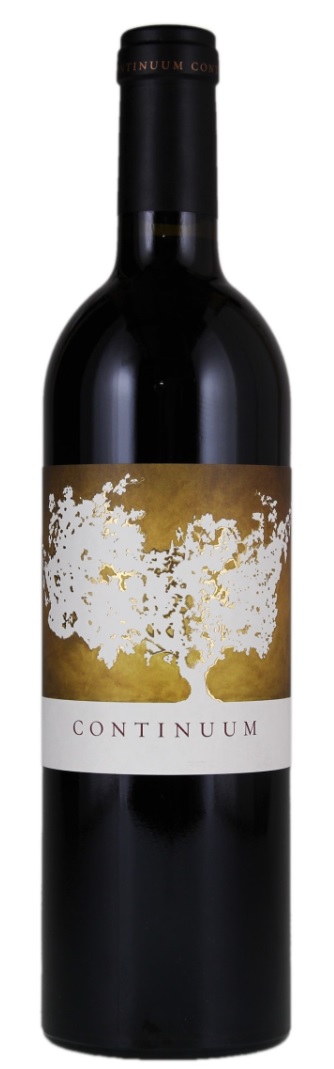
Continuum Red Blend 2021 is made from 45% Cabernet Sauvignon, 35% Cabernet Franc, 11% Merlot, 9% Petit Verdot.
A vintage set apart for its perseverance and resilience, the 2021 Continuum is one of refined concentration – a resounding expression of both measured intensity and enduring vibrancy. This is a multi-layered magnificent vintage that reveals floral notes, with black cherry and wild foraged mixed berries throughout. One can perceive the chemise, sage, and bay giving a gorgeous savory expression, reflective of the natural environment that surrounds the Sage Mountain Vineyard. 2021 is a wine of incredible complexity and nuance – a wine for the ages.
WINEGROWING- Continuum is estate grown on our Sage Mountain Vineyard. It’s location, high on Pritchard Hill along the eastern ridge above Oakville, overlooks Napa Valley and the San Francisco Bay. The rocky, volcanic soils of the site focus the vine’s energy keeping yields low yielding fruit of depth and complexity. 38 acres of mature estate vineyard, planted in 1991 and 1996, with additional plantings in 2004, 2010, together comprise 38 distinct vineyard blocks. Cabernet Sauvignon, Cabernet Franc, Petit Verdot, and Merlot are grown from 1300 to 1600 feet in elevation, on western and southern facing aspects with slight northern and eastern slopes in places. This diversity of plantings on our volcanic soils are the essence of the complexity of Continuum.
PRODUCTION- Continuum is 100% estate grown, produced and bottled. All fruit is selectively hand-harvested at night. The fruit is then sorted before and after de-stemming, and gravity fed into French oak or concrete tanks. A threeday cold soak is followed by fermentation, receiving three to four pumpovers daily, and délestage two to three times in total during the most active period. The wine remains on skins in tank for 20 to 40 days. All lots are then drained, basket pressed, and transferred with lees for malolactic fermentation and aging. Continuum spent 22 months in barrel. 63 percent of French oak barrels were new and 35 percent were once used. A single concrete amphora was also used for aging. The wine clarified slowly and settled naturally in our cold barrel room, was racked sparingly and bottled without fining or filtration. Each vineyard lot was tasted and carefully considered many times to assemble the blend. TASTING NOTES- Continuum shows energy and verve. The wine expresses purity and precision, with high tone aromatics of red and blue fruit, deep plum and rose oil. This vintage shows an approachable nerve of the land in the refined mineral quality on the palate. The surrounding native vegetation of bay and sage is evidenced in an earthy, savory profile. This is a shimmering, silky and harmoniously integrated wine with densely packed fine grain tannins.
DECANTING- For the fullest sensory experience we encourage decanting to allow the wine to breathe before serving. Decanting awakens the wine’s more purely fragrant expression and enhances the suppleness of the palate. Continuum is accessible and enjoyable upon release; however extended aging will be richly rewarded.
Review:
This note is written before the final blend of the 2021 Continuum. Deep purple-black in color, it hits the ground running with an intense nose of red and black currant preserves, lilacs, baker's chocolate, and graphite, leading to an undercurrant of black olives and red loam. On the medium to full-bodied palate it is very lively, grainy and super-concentrated, finishing long and shimmery.
-Wine Independent 98-100 Points
The 2021 Continuum is a blend of 45% Cabernet Sauvignon, 35% Cabernet Franc, 11 % Petit Verdot, and 9% Merlot. Deep garnet-purple colored, notes of black cherries, warm cassis, and plum preserves storm from the glass, giving way to nuances of dark chocolate, violets, and Sichuan pepper. The full-bodied palate is fabulously concentrated and yet so energetic, delivering firm, finely grained tannins and wonderful freshness, finishing long and perfumed. Wow.
-Wine Palate 100 Points
This is so aromatic with blackcurrant, blackberry, graphite, iron, pine bark and orange peel. Hints of wild sage and peppermint. Seductive perfumes. Full-bodied with extremely well-integrated tannins that have great length. Elegant firmness at the finish. The quality of the tannins is some of the best I have had in a young Continuum. Seamless silk. Great finish. 45% cabernet sauvignon, 35% cabernet franc, 11% merlot and 9% petit verdot. Best after 2027.
-James Suckling 99 Points
All great wines begin with a great site. From our early days in St. Helena to our father Roberts’s establishment of his winery in Oakville, our family has recognized the importance of this; Continuum takes the next step. Continuum had to be a hillside site, on the east side of the valley with a westerly aspect. Continuum also needed the right soil; volcanic, iron rich soils to grow wines with great structure, focus and agebility. Four generations and a lifetime of experience brought us to this estate on Pritchard Hill. Our estate has the perfect combination of soils, exposure and climate to grow wine in the company of the world's finest.
Continuum Estate is located on the east side of Napa Valley high on Pritchard Hill, overlooking Oakville to the west. Low vigor red, rocky, volcanic and loam soils make this a truly magnificent hillside vineyard. The estate has two distinct soils types-Rock-Hambright loam & Sobrante loam. Both sets of soil are a mix of clay loam, fractured volcanic material and immense quantities of andesite rock. These shallow soils drain well with low to moderate fertility. Elevations range from 1325 to 1600 feet with southwest and west facing slopes. This location is the perfect site to grow rich, concentrated Cabernet family fruit.
Our estate winery was specially designed by architect Howard Backen and his team to work in harmony with this magnificent site. The winery design enables us to both protect the integrity of the fruit coming in from the vineyard and meticulously care for each individual lot, so as to further enhance the purity of the fruit and each block’s unique character.O
ll fruit is selectively hand-harvested into small lug-boxes, sorted before and after de-stemming, then gravity fed into a combination of specially designed small French oak and cement tanks, with a small amount going to French oak barrels for fermentation. Each lot enjoys a lengthy maceration time, ranging from 21-43 days. During this time, pump overs and below the cap lees stirring are enacted daily. In addition, prior to pressing, rack and return is performed 3-4 times in each fermentation tank. Post-fermentation, all lots are drained, with pomace pressed separately, to 85% new small French oak barrels for malolactic fermentation. The lees are kept in barrel with the new wine for an extended period of stirring, to enrich the body, nourish the wine and polish the tannins. The wine is clarified slowly and naturally through the use of traditional settling and racking techniques and bottled without fining or filtration. In the end, 25-30% of potential lots are declassified as they do not meet Continuum’s standard of quality. On average, each vintage will spend 19-20 months in barrel.A
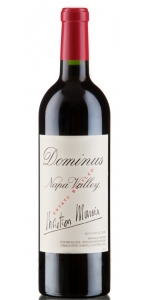
Dominus Napa Valley Christian Moueix Red Blend is made from 87% Cabernet Sauvignon, 9% Cabernet Franc, 4% Petit Verdot.
Dominus Estate is the Napa Valley property of Bordeaux producer Christian Moueix. The wine is bottled from the historic Napanook Vineyard. Located at the foothills of the Mayacamas, the vineyard was planted in 1838 and continues to evolve under the stewardship of Christian Moueix. The estate's Bordeaux varietals benefit from the Yountville microclimate where temperatures are moderated by cool breezes from the San Pablo Bay. The resulting wine is a uniquely refined expression of this special terroir. The 2023 vintage is seductive and deep with notes of cedar, oriental spices, wild berry, and cocoa, followed by a finely etched finish.
Reviews:
Black currant, pencil shaving, subtle sandalwood, wet earth, forest floor and violet aromas follow through to a medium- to full-bodied palate with ultra-fine tannins that integrate perfectly at the end. A polished and caressing texture that goes on for minutes. The balance and drinkability of this Dominus is terrific, and it will age beautifully. A blend of 87% cabernet sauvignon, 9% cabernet franc and 4% petit verdot. From organically grown grapes. Very drinkable now, but will age beautifully.
James Suckling 99 Points
Quintessa Red 2022 is made from 93% Cabernet Sauvignon, 4% Cabernet Franc, 1% Carménère, 1% Merlot, 1% Petit Verdot.
The 2022 Quintessa is a charming wine, opening with intense aromas of black cherry and cassis that are complemented by notes of tobacco, bay laurel, cedar, and dark chocolate. Plush and inviting on entry, this wine’s flavors align with its aromas. The palate reveals dark fruits and an undertone of crushed rocks, tar, and graphite. On the finish, this vintage displays the signature fine-grained tannin of their Quintessa terroir, backed by voluminous texture and fruit.
Review:
Such an incredible wine here - one of the stars of the September releases. Smells amazing, cooling blueberries with fragrant blackcurrants, edges of florality - totally inviting scents. Full and filling in the mouth, this is ample with such a layered effect, super vertical and elongated. Tight and a little tense but it really works - such balance between black fruit, dried herbs, high acidity and a profound structure. Refined and beautifully presented. So much life, so much energy - this is pure class. A wine you don't want to put down. Feels hands off despite such concentration and power. Ends salty with sticky liquorice, mint and cooling wet stones. You could definitely drink this now but it will age too! 1% Merlot and 1% Petit Verdot complete the blend. One of the final few vintages with Rodrigo Soto at the helm - he stepped down last year to concentrate on his family project Far Mountain in Sonoma Valley which is worth following. Winemaker Rebekah Wineburg.
-Decanter 99 Points
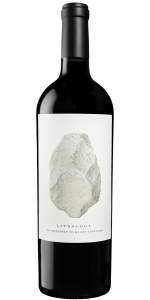
Alejandro Bulgheroni Lithology Beckstoffer To Kalon Vineyard Cabernet Sauvignon is made from 100 percent Cabernet Sauvignon.
Alejandro Bulgheroni Estate Lithology is a series of single vineyard and AVA-designated wines made from select sites within Napa Valley. Lithology Beckstoffer To Kalon Vineyard is produced solely from fruit grown in the historic Beckstoffer to Kalon Vineyard planted in 1865 by W.H. Crabb and represents Oakville's famous bench land.
Review:
The 2019 Cabernet Franc Lithology Beckstoffer To Kalon Vineyard just shines for its bouquet, which is classic To Kalon with its floral, incense, spicy, red and black-fruited aromatics. These all flow to a medium to full-bodied, utterly seamless Cabernet Franc that’s balanced, has laser-like precision, and a great finish. This isn’t the biggest or richest wine in the lineup, but it’s Cabernet Franc in all its glory, with soaring aromatics and complexity, ample richness and texture, and a beautiful sense of finesse and elegance. It’s going to keep for 15-20 years with no issues.
-Jeb Dunnuck 98 Points
Composed of 90% Cabernet Sauvignon and 10% Cabernet Franc, the 2019 Lithology Cabernet Sauvignon Beckstoffer To Kalon Vineyard is a barrel sample with a deep garnet-purple color. It needs a fair bit of coaxing to unlock scents of blackberry pie, warm blueberries and cassis plus suggestions of spice cake, underbrush, candied violets and chocolate box. The full-bodied palate brings forth loads of earthy layers to accent the rich, black fruits, framed by plush tannins and lovely freshness, finishing long and fragrant.
-Wine Advocate 97 to 99 points
The 2019 Cabernet Sauvignon Lithology Beckstoffer To Kalon Vineyard is one of the very finest wines I have tasted from Alejandro Bulgheroni's Napa Valley project. The 2019 To Kalon captures all the pedigree of this iconic Oakville vineyard, and yet also remains nuanced and wonderfully finessed for an intense wine. To Kalon Cabernets are rarely this elegant, but the Bulgheroni 2019 sure is.
-- Antonio Galloni 97 Points
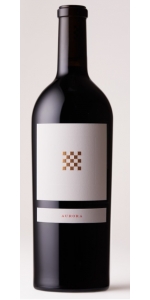
Vintners Dennis O’Neil and Steph Martin began development of Checkerboard Vineyards in 1999 and retained winemaker Martha McClellan to create a portfolio of wines reflecting the mountainside. The estate includes four vineyard sites of different elevation, exposure and soil composition, providing the foundation for a portfolio that includes Checkerboard Aurora Vineyard, Checkerboard Coyote Ridge Vineyard, Checkerboard Nash Creek Vineyard, Checkerboard Kings Row, Checkerboard Sauvignon Blanc, and Checkerboard Rose. Grapes are harvested at dawn in micro-lots and delivered steps away to the winery where clusters are sorted, discarding any blemished ones. Individual berries are hand-selected for vinification and transferred for fermentation, by hand, to Taransaud wooden tanks, stainless tanks, and individual wooden barrels.
Farming is based on long-term sustainability and includes water conservation and monitoring, permanent cover crops planted in alternating rows, and the use of entomology for pest control and the development of soils with good organic matter and microbiology. Checkerboard Vineyards is a member of Fish Friendly Farming which promotes environmentally-friendly land practices and water quality management. Aurora Vineyard is located in a small valley midway up Diamond Mountain and on a large knoll at an elevation of 1,200 feet. The knoll bulges outward, giving the vineyard full Southern exposure and open light from the East and West and protection from Napa Valley’s summer fog. Six acres are planted in the knoll’s rich, volcanic soils that are riddled with basalt cobble in a loamy red clay. The remaining six acres are planted in a deep gravely mix of volcanic ash and chips of decomposed Rhyolite that were washed down from the steep, rocky crags of Diamond Mountain above.
There's a fresh, sweet aroma to the 2016 Checkerboard Aurora Vineyard that builds excitement and anticipation for what's to come. On approach, the palate is juicy and expansive and explodes with flavors of blackberry, mulberry, dark cherry, caramel, leaf tobacco and green olive. The wine continues with a voluptuousness that's linear and constant yet lifted by natural acidity. The finish is showy, long and lingering with finely polished tannins. An exceptional vintage.
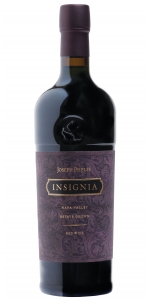
Joseph Phelps Insignia is made of 93% Cabernet Sauvignon, 5% Petit Verdot and 2% Malbec.
The 2019 Insignia opens with heady aromatics of red fruit, crème de cassis, leafy tobacco and delicate dried rose petals. The palate is juicy and dense with expressive layers of blackberry, raspberry, black currant, and dark chocolate. A dynamic wine offering captivating energy, length, complexity and refinement. The 2019 Insignia marks the first vintage to include fruit from the new Joseph Phelps vineyard named El Venadito, located in the Oak Knoll District, just south of the winery’s Yountville Vineyard.
Review:
Another beautiful wine from this team, the 2019 Insignia is mostly Cabernet Sauvignon but includes smaller amounts of Merlot and Malbec, brought up all in new barrels, sourced from seven estate vineyards. It has a classic varietal and incredibly complex nose of crème de cassis, freshly sharpened pencils, green tobacco, and damp earth, with a kiss of background sappy spring flowers. Seemingly from a cooler year with its freshness, vibrancy, and herbal, floral character on the nose, it's nevertheless full-bodied and beautifully concentrated on the palate, with ultra-fine tannins, a seamless, layered mouthfeel, and a gorgeous finish. Unquestionably up with the finest vintages of this cuvée, this is legit awesome juice that’s going to offer incredible pleasure over the coming 20-25 years. Hats off to winemaker Ashley Hepworth.
- Jeb Dunnuck 99 Points
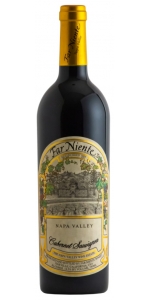
Far Niente Napa Valley Cabernet Sauvignon is made from 92.3% Cabernet Sauvignon, 6% Malbec, 2% Cabernet Franc, 1.7% Petit Sirah, 1% Petite Verdot.
Beautiful aromas of dark plum, red cherry, licorice and warm baking spices open onto a plush and silky palate layered with plum, spiced cherry and cassis. A classic Napa Valley Cabernet, fine-grained tannins and lively acidity support the wine throughout, while the finish is refined and polished.
Review:
Made with grapes sourced from Rutherford, Calistoga, St. Helena, and the winery's home in Oakville that aged 17 months in French oak, this impeccably balanced and complex red is as elegant as it is emotive. Blackberry and clove-spiced cedar line the mouth, erupting with graphite and espresso. Finely grained tannins adhere to dusty plum and lavender.
-Tasting Panel 97 Points
Refined and pure aromas of dark cherries, blackcurrants, violets and cedar. The palate is full-bodied with seamlessly integrated tannins and focused acidity, giving notes of Damson plums, graphite, mocha, dried herbs and potpourri. Very well balanced and polished.
-James Suckling 96 Points
Dominus Napa Valley Red Blend is made from 88% Cabernet Sauvignon, 7% Cabernet Franc, 5% Petit Verdot.
The historic Napanook Vineyard, a 124-acre site west of Yountville, was planted in 1838. This vineyard was the source of fruit for some of the finest Napa Valley wines. Estate-bottled in the spirit of the Bordeaux châteaux, Dominus Estate is dry-farmed to allow natural stress and good concentration of fruit. Grape clusters are crop-thinned to allow sun and air to pass in between, helping to achieve full maturation and soften the tannins. Only 20% to 40% new French oak barrels are used in order to limit the extraction of oak notes. To express the unique terroir, the classic Bordeaux grape varietals of Cabernet Sauvignon, Merlot, Cabernet Franc and Petit Verdot are planted with different root stocks best suited for the varying soil composition of gravel, heavy clay and loam.
Reviews:
One of the legendary Dominus, the 2021 Cabernet Sauvignon is unquestionably in the same league as the 2018, 2016, 2015, 2013, 2010, and 1991, and to my mind, wine simply doesn't get any better. Sporting a dense purple hue as well as an incredible perfume of blackcurrants, crushed stone, cedar pencil, smoke tobacco, and baking spices, it s rich, full-bodied, and voluptuously textured, with ripe yet building tannins. It reminds me slightly of the 2010 (maybe the 2013), and I suspect it will have a similar evolution. Hide bottles for 7-8 years, and it will evolve gracefully for 30+ years. Hats off to the team of Christian Moueix and director Tod Mostero.
Jeb Dunnuck 100 Points
Dominus Napa Valley Red Blend is made from 88% Cabernet Sauvignon, 7% Cabernet Franc, 5% Petit Verdot.
The historic Napanook Vineyard, a 124-acre site west of Yountville, was planted in 1838. This vineyard was the source of fruit for some of the finest Napa Valley wines. Estate-bottled in the spirit of the Bordeaux châteaux, Dominus Estate is dry-farmed to allow natural stress and good concentration of fruit. Grape clusters are crop-thinned to allow sun and air to pass in between, helping to achieve full maturation and soften the tannins. Only 20% to 40% new French oak barrels are used in order to limit the extraction of oak notes. To express the unique terroir, the classic Bordeaux grape varietals of Cabernet Sauvignon, Merlot, Cabernet Franc and Petit Verdot are planted with different root stocks best suited for the varying soil composition of gravel, heavy clay and loam.
Reviews:
One of the legendary Dominus, the 2021 Cabernet Sauvignon is unquestionably in the same league as the 2018, 2016, 2015, 2013, 2010, and 1991, and to my mind, wine simply doesn't get any better. Sporting a dense purple hue as well as an incredible perfume of blackcurrants, crushed stone, cedar pencil, smoke tobacco, and baking spices, it s rich, full-bodied, and voluptuously textured, with ripe yet building tannins. It reminds me slightly of the 2010 (maybe the 2013), and I suspect it will have a similar evolution. Hide bottles for 7-8 years, and it will evolve gracefully for 30+ years. Hats off to the team of Christian Moueix and director Tod Mostero.
Jeb Dunnuck 100 Points
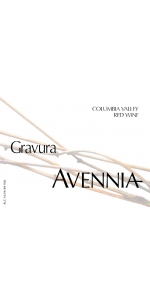
Avennia Gravura Red Blend is made from 48% Cabernet Sauvignon, 41% Merlot, 11% Cabernet Franc
Gravura is our ode to the Graves AOC of Bordeaux, emphasizing a harmony of Cabernet Sauvignon and Merlot. The name is a play on an artisan printing technique, and on the Bordeaux region of Graves, which features similar blends. Featuring more Merlot and with the addition of Red Mountain fruit, this wine is designed to be more generous and voluptuous in style, while still remaining complex and balanced.
Gravura Tasting Notes: Beautiful nose of red and black fruits, some savory leaf notes, mocha, pencil shavings. The palate is elegant and balanced, almost pretty: raspberry, black and red currants, milk chocolate and caressing tannins. Finish medium-long and ethereal.
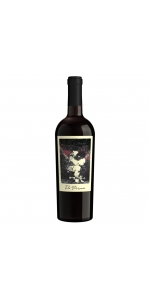
The Prisoner Wine Company The Prisoner Red Blend is made from a blend of Zinfandel, Cabernet Sauvignon, Petite Sirah, Syrah, and Charbono.
Bright aromas of ripe raspberry, vanilla, and coconut give way to flavors of fresh and dried blackberry, pomegranate, and vanilla, which linger harmoniously for a smooth and luscious finish.The Prisoner Red Blend was inspired by the wines first made by the Italian immigrants who originally settled in Napa Valley. The Prisoner is now the most recognized red blend, leading the resurgence of interesting blends by incorporating Zinfandel with the unlikely mix of Cabernet Sauvignon, Petite Sirah, Syrah, and Charbono.
On the nose, dried blackberry, dried açai berries, and hints of cedar and tobacco leaf are accented by sweet spices of clove, cinnamon, and nutmeg. Flavors of ripe dark cherry, blackberry coulis, and hints of anise linger harmoniously for a soft, vibrant finish balanced by ripe tannins.
Chef Brett recommends pairing The Prisoner Red Blend with Kalbi Short Ribs or Chicken Mole Tostada.
Vineyards: When you outgrow winemaking tradition, you must forge your own path. And we did. The Prisoner exists because of the collaboration with our growers, many of which have been with us since the very beginning—from the Solari Family Vineyard in Calistoga, where old school sensibilities meet new techniques, to the Korte Ranch in St. Helena, a vineyard whose diligence outlasted the Prohibition and has sustained four generations.
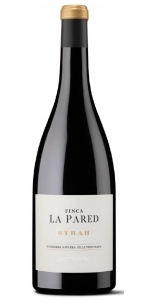
Finca La Pared Syrah is made from 100 percent Syrah.
Finca La Pared Syrah shows an expressive nose of dark fruit aromas and a mineral character.
Intense, direct, playful. Balance of forces.
Machine harvested at night. Grapes with great concentration. Prefermentation cold maceration (cold soak) for three days. Fermentation and maceration are carried out in small stainless steel tanks, combining pumpovers and délestages The process is prolonged for approximately 20 days with gentle extractions. We gently press the grapes and the wine carries out its malolactic fermentation in even smaller stainless steel tanks. When the wine has naturally lost the thickest suspended solids, we transfer it to oak barrels. We chose American oak barrels that enhance the freshness of the wine and its refinement. The wine is aged for 12 months in the same barrels without racking. It isbottled after light filtration without fining.
Review:
"Blackberries, ground pepper, violets, and some gamey, bouquet garni-like notes all emerge from the 2021 Syrah, a medium to full-bodied, deep, rich, wonderfully layered Syrah that seems to be a hypothetical blend of a California Syrah with an Hermitage. Drink bottles through 2031."
- Jeb Dunnuck (Importer Highlight: Fran Kysela ; July 2024), 95 pts
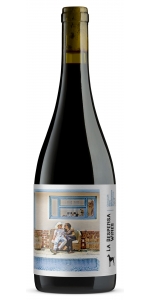
La Despensa Boutique Pool Blend 75% Cinsault, 15% Pais, 5% Marsanne and 5% Roussanne.
A genuinely unique wine - La Despensa is the only producer of Cinsault in Colchagua and Pais from this valley is also extremely rare! The Cinsault and the 2 whites come from a new vineyard planted in 2017 and the Pais from a 150 year old, dry-farmed vineyard in Pumanque about 20 minutes from the winery that they run themselves organically. The Cinsault and Pais give notes of raspberry and strawberry and the white Roussanne and Marsanne a little mouthfeel and a hint of tropical fruit.
Organically grown grapes (not certified) from our own vineyard in Santa Ana, and Pumanque in the Colchagua Valley. Irrigated as sparingly as possible via drip irrigation (dry-farming for the 150 year old Pais). Hand harvested and sorted personally by me in the vineyard (I personally check every single bunch), then destemmed with the crusher removed from the destemmer. Grapes are fermented in open top bins and concrete tank and blended immediately after pressing. MLF occurs with the wine already blended. Wines are racked in November and again in January before being bottled after about 10 months ageing in 50% neutral oak barrels and 50% Flextank.
Versatile, goes well with beef, chicken, pasta, great for Summer BBQs
Review:
"The red blend 2021 Wines Pool Blend was produced with an unusual blend, especially for a wine from Colchagua, of 75% Cinsault, 15% País and 5% each Marsanne and Roussanne. It has kept a moderate 13.5% alcohol and retained good freshness (pH 3.44) after maturing exclusively in Flextank and being bottled unoaked. This is fruit-driven and straightforward, with a medium-bodied palate and fine tannins. 2,400 bottles produced. It was bottled in March 2022. - Luis Gutiérrez"
- Robert Parker's Wine Advocate (April 2023), 90 pts
Pernot Belicard Bienvenue Batard Montrachet Grand Cru is made from 100 percent Chardonnay.
Aromas of white peach, white apple, with a beautiful minerality. Also lighty salty, chalky aromas and some bread and brioche flavors and a hint of vanilla.
Paultry with cream based sauces, French cheese, like camembert, but not to strong, also sea food and fish.
SALE
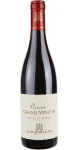
Grand Veneur Cotes du Rhone Rouge Reserve is made from 60% Grenache Noir, 35% Syrah and 5% Cinsault.
The colour is purple-tinged garnet.The aromatic range of the nose goes from fresh berries (wild raspberry, blackcurrant, blackberry) to spices.The palate is big and full-flavoured, with silky-smooth tannins and aromas of the fruit already mentioned. The finish introduces touches of liquorice and pepper. A Côtes du Rhône with great complexity for an every day drinking.
A classic Rhône to drink between 1 and 4 years.



