
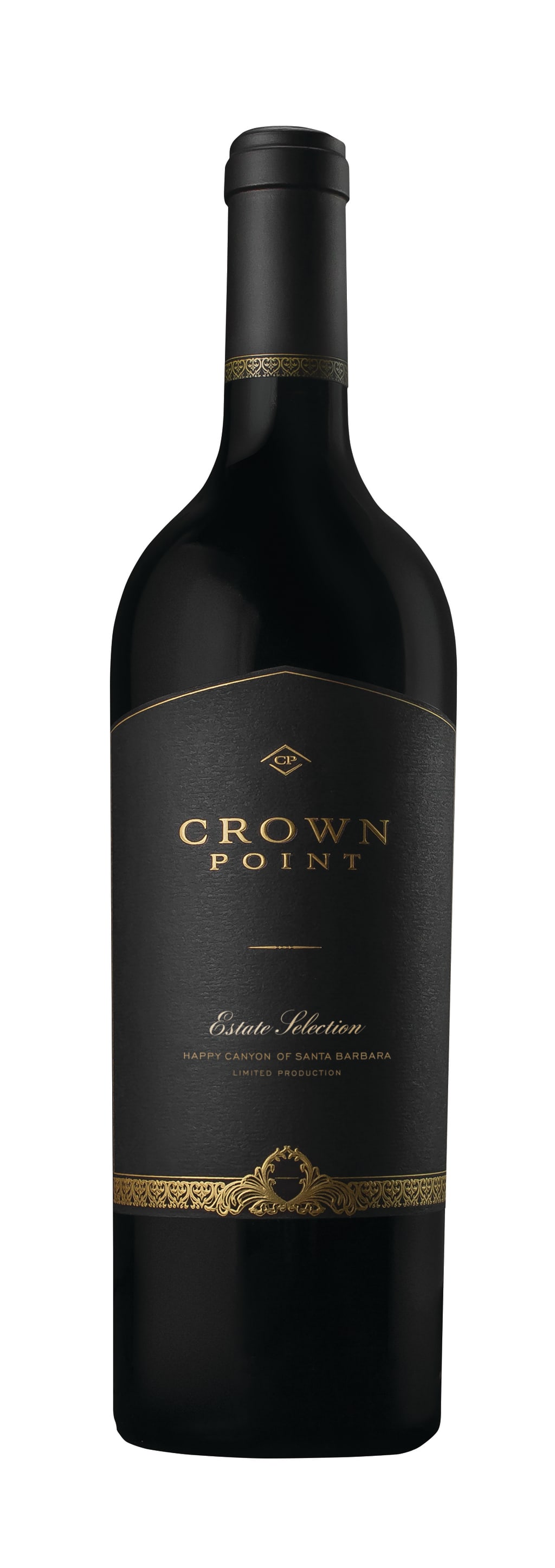
" We don't sell the wine without touching the vine "
| BUY MORE! SAVE MORE! | ||||||||||||||||||||
|
| Country: | United States |
| Regions: | California California (Central Coast) |
| Winery: | Crown Point Vineyard |
| Grape Type: | Cabernet Sauvignon |
| Organic: | Yes |
| Vintage: | 2016 |
| Bottle Size: | 750 ml |
Crown Point Estate Selection is made from 75% Cabernet Sauvignon, 10% Merlot, 6% Petit Verdot, 6% Cabernet Franc, 3% Malbec.
The 2016 Crown Point Estate Selection exhibits a heady aromatic array of baking spices, ripe red and black fruits, with deep intonations of earth and minerals. The palate is elegant and bright, with appealing acids and nuanced notes of savory mocha and dried herbs. Polished and seamless, the tannins finish with a comet-like trail of textural opulence highlighted by glossy flavors of baked berry pie and warm toast. Recommended drinking window: now through 2030s.The 2016 Estate Selection is representative of all five red Bordeaux varieties. The selection process starts in the vineyard and continues on through the winemaking process: only the best lots make the final blend. All blocks were harvested & fermented separately. The individual components were blended after 12 months in barrel. Total time in 225 liter French oak barrels was 26 months.
Review:
Deeply colored, the 2016 Estate Selection checks in as 75% Cabernet Sauvignon, 10% Merlot, 6% Petit Verdot, 6% Cabernet Franc, 3% Malbec that was brought up 26 months in 75% new French oak. Deeply colored, it has a smoking good bouquet of crème de cassis, smoke tobacco, lead pencil, camphor, and hints of chocolate. This gives way to a powerful, opulent Cabernet Sauvignon that has plenty of sweet tannins, a layered, multi-dimensional texture, no hard edges, and an awesome finish. I’d happily put this beauty in a lineup of top Napa Valley Cabernet Sauvignon and blends.
-Wine Enthusiast 97 Points
There’s an impressive amount of complexity on the nose of this bottling by winemaker Adam Henkel, from crushed graphite and concentrated black strawberry to cinnamon pastry, licorice and a brush of herbs. The sip is intense, with leathery but chiseled tannins presenting flavors of charred black currant, licorice, black olive, dried flower and white pepper
-Jeb Dunnuck 97 Points
Eleven miles north of the Pacific Ocean, Crown Point Vineyard lies between the Santa Ynez coastal range and the flanking San Rafael mountains.
The genesis of Crown Point unveiled a site with undeniable attributes prompting consistent recognition. A confluence where rocky slopes fade into a loamy mesa providing distinctive personalities for Cabernet Sauvignon.
Perched in the foothills of the Happy Canyon American Viticultural Area (AVA), the Vineyard’s apex is 930 feet, sloping down to the mesa flats elevated at 500-feet providing various microclimates and diverse soil makeup. The Santa Ynez coastal range protects the site from afternoon summer fog; the San Rafael range erosion riddles the site with varying volcanic rock. The coastal proximity paired with the stress-inducing rocky soil creates the ideal balance to produce 45 acres of distinguished Cabernet Sauvignon (75% of the Vineyard), Merlot, Cabernet Franc, Malbec, and Petit Verdot.
At the epicenter of the Crown Point estate lies the state-of-the-art winery – a retrofitted horse barn that is an homage to the Happy Canyon equine industry. Surrounded by 45 planted acres, the winery’s connection to the site is the definition of an estate property. The facility houses French oak barrels and upright oak fermenters with stainless tanks and concrete fermenters surrounding the structure.
Caymus has a signature style that is dark in color, with rich fruit and ripe, velvety tannins – as approachable in youth as in maturity. We farm Cabernet grapes in eight of Napa’s 16 sub-appellations, with diversification enabling us to make the best possible wine in a given year. This Cabernet offers layered, lush aromas and flavors, including cocoa, cassis and ripe dark berries.
Camus Graves Blanc is made from 50% Sauvignon Blanc and 50% Semillon.
A beautiful, brilliant color, this wine offers a great aromatic balance with complex and mineral notes, Offering white fruit (peach and pear), citrus (grapefruit and lemon), and a toasty finish with a delicate oak presence. The mouthfeel is rich and complex with a great minerality, freshness, structure, and a good length to the finish.
Pairs with poultry, fish, and shellfish.
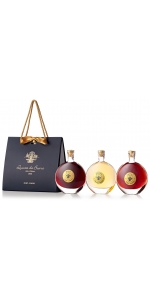
This gift pack consists of 3 different 100ML bottles :
- one bottle of White Port (100ml)
- one bottle of Tawny Port (100ml)
- one bottle of Ruby Port (100ml)
Perfect impulse buy for the holidays or for a birthday gift !
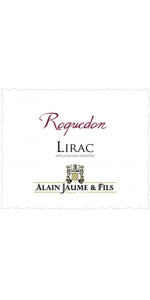
Alain Jaume Lirac Rouge Roquedon is made from 60% Grenache, 20% Syrah, 10% Mourvedre, 10% Carignan.
A blend of Grenache, Syrah, Mourvèdre, and Carignan grown on clay and sandy soils, mostly on terraces covered by pebble stones. Lirac is located in front of Chateauneuf du Pape, on the opposite side of the Rhone River.
Lirac Roquedon reveals an intense red garnet color and a nose dominated by a bouquet of red and black ripe fruits (kirsch and wild Blackberry). The mouth is full, with flavors of blackcurrant, liquor and spice. Tannins are both harmonious and elegant. The palate finishes with hints of liquorice and vanilla, which brings length and complexity to the wine.
Traditional wine-making in stainless still vats. Crushed and destemmed grapes. Fermentation temperature : 30°C. 18 days of vatting with pigeages. Ageing mainly in vats and about 10% in oak barrels. Bottling 15 months after the harvest.
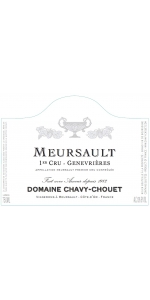
Chavy-Chouet Meursault Premier Cru Les Genevrieres is made from 100 percent Chardonnay.
Fruity flavors and typical nutty nuances. The Genevrières parcels are located in the heart of Meursault's southern premiers crus. "Genevrieres" takes its name from the presence, years ago, of the juniper bushes which covered its slope, and it is sometimes said that the tang of this aromatic berry can be detected in the wine.
The Genevrières parcels are located in the heart of Meursault's southern premiers crus. "Genevrieres" takes its name from the presence, years ago, of the juniper bushes which covered its slope, and it is sometimes said that the tang of this aromatic berry can be detected in the wine.
Fruity flavors and typical nutty nuances.
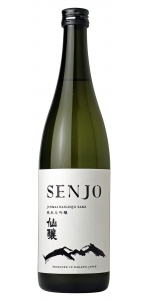
Juicy & Refreshing. Full of fruity flavors with clean sweetness. Brewed with Hitogokochi, the special sake rice harvested in Nagano, and natural water slowly filtered down the Japan Alps. In 1866, toward the end of the Edo period, Matsujirou Kurogouchi and his family started a small sake brewery currently called Senjo named after Senjo Ga Take, a 3000-meter peak in the Japanese Alps. Today Senjo Brewery strives to combine art with science and old skill with new technology by adding modern twits to the rich historical traditions of Sake brewing.
Pair with Deep-fried fish with sweet & sour sauce, Young sweetfish tempura (chiayu tempura), Caesar salad.
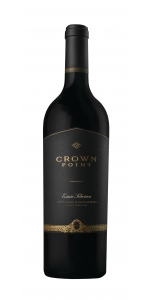
Crown Point Estate Selection is made from 70% Cabernet Sauvignon, 10% Merlot, 10% Malbec, 5% Cabernet Franc, 5% Petit Verdot.
The 2017 Crown Point Estate Selection is an engaging wine with notes of red fruit, strawberries, and vibrant floral tones of violets in harmony with toasted coffee notes. On the palate, the wine displays a gentle sweetness married with fine grain tannins, a velvety texture providing a long finish.
Review:
There's a purity to the nose of this bottling that reveals deep, lush waves of boysenberry paste alongside a savory tone of charred beef. Polished tannins frame the sip, where ample amounts of rich black plum and blackberry are enhanced by caramel, coffee bean and mocha flavors, with acidity holding tight into the finish.
Wine Enthusiast 96 Point
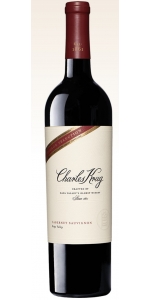
Charles Krug Peter Mondavi Family Vintage Selection Cabernet Sauvignon is made from 100 percent Cabernet Sauvignon.
Review:
The 2016 Cabernet Sauvignon Vintage Selection has a deep garnet-purple color and features exuberant notes of crushed black cherries, mulberries and blackcurrant cordial with touches of unsmoked cigars, menthol, yeast extract and pencil shavings. Full-bodied, concentrated and opulent in the mouth, it has a solid line of plush tannins and plenty of backbone freshness to lift the generous fruit to a long fruity finish.
-Wine Advocate 95 Points
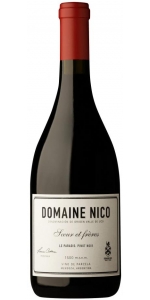
Domaine Nico le Paradis Pinot Noir is made from 100 percent Pinot Noir.
The cool climate vineyard that belongs to Laura and her sister Adrianna Catena feels like paradise itself to Laura. It is lined by trees and fruit orchards, with majestic views of the Andes. Inside the 12 Hectare vineyard, there is a little house with two tiny bedrooms and a kitchen, where Laura dreams of spending a whole month reading books-Laura's version of paradise. The little house is affectionately named Chateau Laura. About the Vineyard The tiny parcel where Le Paradis is grown was planted in 2011 with Dijon 667 Clones over two acres. Wine Production The grapes from this small parcel were elaborated in 15 separate microvinifications.
All the microvinifications were fermented with indigenous yeast. 20% of the microvinifications were fermented with 100% whole clusters in oak roll-fermentor of 600L and low temp (22 Celcius degrees). 40% were fermented with 20% whole cluster in small vats of 800L and 40% fermented in small vats of 800L without sulfites until 4%V/V of alcohol.
Review:
From soils rich in calcium carbonate and sand, in a vineyard 1,600 meters above sea level, this wine comes from a selection of 2.7 hectares that produced very little fruit in 2016, just barely enough to fill 800 bottles. But watch out for this white, with its edge, its minerality, those saline notes that are so characteristic of chardonnay from the chalky Gualtallary soils. The wine was aged for a year in used barrels, and it has some of the toast, but here it’s the deep minerality that dominates.
Patricio Tapia - Descorchados 96 Points
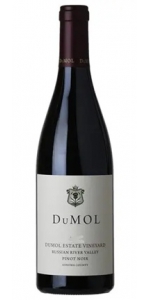
Our DuMOL Estate Vineyard is our original high-density vine planting from 2004. It’s organically farmed without irrigation – these vines work hard each season. We make a strict selection for this bottling, one of our flagship wines, so that only three acres of its nine total comprise this bottling; the balance forms the core of Highland Divide. This is the best of the best. The high vine density and exclusively Calera Selection produce a wine with a significant level of both tannin and acidity. This structure is buffered by a deep core of fruit extract, the product of the ripe grape skins themselves, and the essence of the wine. Each vintage can age for many years, and it gradually deepens into a woodsy, truffley, and enveloping wine with grand scale complexity while never relinquishing its inherent brightness.
The wine’s aromas and flavors are akin to black cherry, boysenberry, hibiscus, anise, moss, and juniper. The palate is simultaneously bright yet dark, with mineral drive, violet floral lift, and bay laurel freshness. Tannins and acidity fuse to lengthen these flavors, and the wine finishes with dried herbs and orange zest lift. Great aging potential. Drink between 2025 and 2034 and decant for an hour in its youth to hasten the development.
Review:
Medium to deep ruby-purple in color, the 2022 Pinot Noir Estate Vineyard comes barreling out with bold notes of fresh blackberries and black cherries opening out to suggestions of anise, garrigue, and lilacs. The medium-bodied palate reveals impactful black berry flavors with wonderfully spicy accents supported by grainy tannins and great tension, finishing long with a minerally lift. This is an all Calera vineyard. (LPB)
-The Wine Independent 97 Points
Long Shadows Pirouette Meritage is made from 68% Cabernet Sauvignon 15% Merlot 8% Petit Verdot 6% Cabernet Franc 3% Malbec
Philippe Melka, named one of the top nine winemakers in the world by Robert Parker, used small lots from Washington State's finest vineyards to craft this enticing red blend.
Like the last several growing seasons, 2016 was another hot year that required extra care in the vineyards. Building on the success of our canopy managment program over the last few vintages, we worked with growers throughout the season to encourage growth of the canes and outside foliage to protect against the sun while opening up the fruit zone for even maturation. Warm temperatures in the fall hastened ripening, but the Columbia Valley's cool autumn nights protected the grapes' acidity, yielding bright, vibrant wines that will drink well in their youth but also promise to bring enjoyement to those who cellar.
A variety of fermentation methods were used to enhance complexity and richness in this classic Bordeaux blend. Hand-harvested Cabernet was fermented in 400L French oak barrels that were gently rolled throughout fermentation to integrate the oak with refined, dark fruit flavors and give the wine its silky mouthfeel. All other varieties were fermented in traditional stainless steel tanks, with select lots enjoying longer skin contact to enhance the wine's dark color and mid-palate. The finished wine was aged 22 months in French oak barrels (75% new) before bottling unfiltered and unfined.
Review:
"The 2016 Pirouette is made by Philippe Melka and it's a total blockbuster based on 68% Cabernet Sauvignon, 15% Merlot, and the palate Petit Verdot, Cabernet Franc, and Malbec that was fermented in barrel and aged 22 months in 75% new oak. Crème de cassis, blackberries, toasted spices, cedar, and forest floor notes all emerge from this deep, rich, opulent red that has sweet tannins, a thrilling texture, no hard edges, and a monster finish. This is another best-to-date from this estate and it's an awesome wine." -Jeb Dunnuck 97 Points
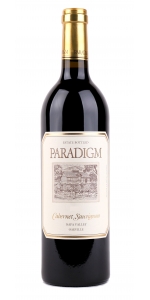
Paradigm Cabernet Sauvignon is made from 90% Cabernet Sauvignon, 8% Merlot, 1% Petit Verdot, 1% Cabernet Franc
20 months in French oak (only about a third of that is new oak) and for 20 more months in bottle before release
Our winemaking "style" is solely determined by this place or terrior we call "Paradigm." Winemaking is agriculture when you own your vineyards and are able to farm them to promote the very best Earth will give you. All of our selections of wines are made from five varietals on the estate. Every wine is 100% farmed and grown by us.
Complexity in our wines supported by luscious fruit and acidity is our hallmark. Our efforts during harvest and barrel cellaring concentrate on maintaining the freshness from the first day we handpicked each vineyard block. Simple winemaking protocols are employed while crucial “timing” oriented winemaking decisions rule each day.
Dark Cabernet color with beautiful aromas of black cherry, cassis, plus 5-spice, vanilla. Big, ripe and mouthcoating across the palate. The flavors are similar to the aromas with ripe fruit, berry/cherry pie, moderate tannins, and nice length. This wine shows enough structure to be age-worth, yet soft and balanced enough to enjoy upon release. Flavors linger in this tasty, dense wine. Tastes like Oakville. -Heidi Barrett
Review:
"Pretty cassis and blackberry fruits as well as notes of cedar pencil, spicy oak, and tobacco emerge from the 2016 Cabernet Sauvignon Oakville. Medium-bodied, it has a balanced, elegant texture, moderate tannins, and a good finish. It's a complex, classy wine to enjoy over the coming decade or more. This is a classic, workhorse styled Cabernet from winemaker Heidi Barrett with lots to love. The blend is 87% Cabernet Sauvignon, 7% Merlot, 4% Petit Verdot, and the balance Cabernet Franc, all aged 20 months in French oak."
- Jeb Dunnuck (March 2021), 90 pts
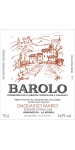
Gagliasso Barolo Riserva Oak Box is made from 100% Nebbiolo
Complex and intense aromas of red fruits intermixed with licorice, prune, leather, smoke and notes of toasty oak and vanilla. Full-bodied on the palate with loads of ripe dried and candied fruits, pepper and mocha.
After malolattic fermentation the wine stays for 10 months in French barrels, 10% new oak and 90% different years; after this period all barrels are blended ( 50% Torriglione and 50% Rocche dell’Annunziata) in old barrels for 48 months again. The wine is bottled and refined for 24 months.
There's a gritty, sandy quality to the tannins that would cut through roast pork stuffed with prunes.
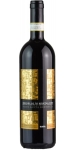
On the nose, it opens with mineral hints of flint, followed by sweet spices such as nutmeg. Citrusy notes of bergamot then emerge, together with delicate floral nuances and hints of rosehip. On the palate, it shows a sweet and juicy entry, with a medium to full body. It is warm and spicy, with a slightly piquant edge. Freshness balances the structure nicely, while the fruity finish, recalling ripe plums, is savory and persistent. It displays good softness and an overall sense of balance and harmony
Review:
-James Suckling 96 Points



