
" We don't sell the wine without touching the vine "
Damilano is one of few traditional, ancient, ultra-centenary Barolo wine makers.
In fact, the Damilano family has been active since 1890 when Giuseppe Borgogno, the great-grandfather of the current owners, started farming and making wine from the family-owned vineyard in Barolo (Cuneo), the town in the Langhe area that the homonymous wine was named after; a beautiful and generous land that has been the heart of the vocation to produce the “king of wines” for centuries.
It wasn’t until the following generation, though, that Giacomo Damilano, the founder’s son-in-law, gave the current name to the winery. It was he who gave the stimulus to preserve the vines and apply constant innovation in the quality of the winemaking process, making the winery become a “jewel” to proudly pass on to his nephews, who manage the company since 1997.
Guido, Mario, and Paolo Damilano have been capable of giving new lymph and push to the family company, particularly giving value to the prince grape of the Langhe, the Nebbiolo, and specific terroirs, the Cannubi above all.
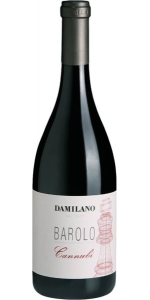
Damilano Barolo Cannubi is made from 100 percent Nebbiolo.
Garnet ruby red in color with orange reflections. The bouquet is ample and embracing, with pronounced fruity notes of cherry and plum and notes of tobacco, licorice and cocoa. On the palate, the wine is harmonious, pleasantly dry with soft tannins, broad and full-bodied. Persistent finish.
Cannubi is a sumptuous wine, perfect with the full-flavored Piedmontese cuisine such as white truffle -based dishes and braised meat. Ideal with the refined dishes of the great international gastronomy.
Review:
Sweet berries, tar and hazelnuts on the nose with some iodine and dry earth. Full-bodied with a solid center palate of juicy fruit and powerful, fine tannins. It’s racy and very long. Needs time to soften. Better after 2023.
-James Suckling 96 Points
A polished wine with charming layers of fruit and complexity. The enchanting aromas of red cherry, rambutan, strawberry, and rose develop and open into a deeply flavoured palate. A velvety wrap of tannins surrounds the dark plums and morello cherry and a light dusting of vanilla.
-Decanter 97 Points
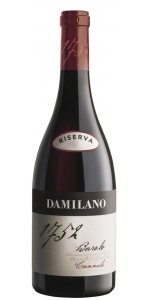
“1752” is the name of the Damilano Barolo Cannubi Riserva, in honor of the year in which the historic bottle was first marked “Cannubi”. It still exists today perfectly conserved by the Manzone family in Bra, close to Barolo. The bottle is clearly marked as being of “1752” vintage, indicating that Cannubi historically precedes Barolo.
About the Vineyard:
The Cannubi Cru is in found within one of the 6 core zones which comprise a UNESCO heritage site in Italy. A mixture of Tortonian and Helvetian calcareous marl gives the grapes intense aromas of cherry, plum and tobacco, rose and violet in sequence. Its low potassium and high calcium/magnesium content offer the wine a fine and polished touch. The vineyard is located at about 270 m. a.s.l. and has a south-east sun exposure. Barolo Riserva Cannubi 1752 It is a small plot of about 2 hectares of Nebbiolo vines, currently between 30 and 50 years of age.
Tasting Notes:
Garnet ruby red in color, the bouquet is intense and balanced, with notes of violet, red fruit, cherry and plum, spices, liquorice, cocoa, leather and tobacco. Dry, robust, full-bodied, very persistent, rich and velvety
Food Pairing:
This wine is excellent with typical piedmontes pasta (tajarin, ravioli); perfect with red meat, braised and roast meat, game and absolutely ideal with all types of cheeses.
Review:
The purity of this wine is pretty phenomenal with blackberries, strawberries, fresh flowers and licorice. Hints of tar. It’s full-bodied, yet composed and compact with ultra fine tannins and a long, flavorful finish. Very structured. Try after 2024.
-James Suckling 97 Points
“1752” is the name of the Damilano Barolo Cannubi Riserva, in honor of the year in which the historic bottle was first marked “Cannubi”. It still exists today perfectly conserved by the Manzone family in Bra, close to Barolo. The bottle is clearly marked as being of “1752” vintage, indicating that Cannubi historically precedes Barolo.
About the Vineyard:
The Cannubi Cru is in found within one of the 6 core zones which comprise a UNESCO heritage site in Italy. A mixture of Tortonian and Helvetian calcareous marl gives the grapes intense aromas of cherry, plum and tobacco, rose and violet in sequence. Its low potassium and high calcium/magnesium content offer the wine a fine and polished touch. The vineyard is located at about 270 m. a.s.l. and has a south-east sun exposure. Barolo Riserva Cannubi 1752 It is a small plot of about 2 hectares of Nebbiolo vines, currently between 30 and 50 years of age.
Tasting Notes:
Garnet ruby red in color, the bouquet is intense and balanced, with notes of violet, red fruit, cherry and plum, spices, liquorice, cocoa, leather and tobacco. Dry, robust, full-bodied, very persistent, rich and velvety
Food Pairing:
This wine is excellent with typical piedmontes pasta (tajarin, ravioli); perfect with red meat, braised and roast meat, game and absolutely ideal with all types of cheeses.
Review:
“Incredible, reserved ripeness and depth already evident on the nose after one whiff, offering plum, cedar, rose hip, sandalwood, and licorice. Full-bodied with superb depth of fruit and an abundance of polished tannins that give the wine poise and grace, even though it’s long and powerful. The quality of the tannins are exceptional. Sheer and refined. This comes from the center of Cannubi.”
-James Suckling 99 Points
“1752” is the name of the Damilano Barolo Cannubi Riserva, in honor of the year in which the historic bottle was first marked “Cannubi”. It still exists today perfectly conserved by the Manzone family in Bra, close to Barolo. The bottle is clearly marked as being of “1752” vintage, indicating that Cannubi historically precedes Barolo.
About the Vineyard:
The Cannubi Cru is in found within one of the 6 core zones which comprise a UNESCO heritage site in Italy. A mixture of Tortonian and Helvetian calcareous marl gives the grapes intense aromas of cherry, plum and tobacco, rose and violet in sequence. Its low potassium and high calcium/magnesium content offer the wine a fine and polished touch. The vineyard is located at about 270 m. a.s.l. and has a south-east sun exposure. Barolo Riserva Cannubi 1752 It is a small plot of about 2 hectares of Nebbiolo vines, currently between 30 and 50 years of age.
Tasting Notes:
Garnet ruby red in color, the bouquet is intense and balanced, with notes of violet, red fruit, cherry and plum, spices, liquorice, cocoa, leather and tobacco. Dry, robust, full-bodied, very persistent, rich and velvety
Food Pairing:
This wine is excellent with typical piedmontes pasta (tajarin, ravioli); perfect with red meat, braised and roast meat, game and absolutely ideal with all types of cheeses.
Review:
#32 Wine Spectator Top 100 of 2023
Delicate red in color. The incredibly expressive bouquet offers notes of sandalwood, herbs de Provence, and Red Delicious apples. On the palate, freshly picked red huckleberries provide tart and lasting succulence with a hint of baking spice. The sandy soils of the Chehalem Mountains offer salinity and minerality on the finish that is complemented with dark cherry and rhubarb.
Review:
Supple, richly textured and elegantly complex, this Pinot opens with a burst of fresh raspberry, then unfolds with notes of forest floor and brown baking spices, plus a touch of licorice as it builds tension toward refined tannins.
-Wine Spectator 95 Points
The first impression of this stunning red is of brilliant red raspberry fruit, as pure as a sunbeam. Yet an inky depth plays counterpoint, rumbling beneath, dark and a bit spicy, grounding the fruit with tannins from the silica-based soils of Bergström’s estate vineyard in the Chehalem Mountains. The tension between these two elements is gorgeous, the fruit saturating and full, and yet it has an energy and drive giving the texture a lifted, graceful feel.
-Wine & Spirits 95 Points
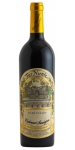
Far Niente Napa Valley Cabernet Sauvignon is made from 92.6% Cabernet Sauvignon, 7.4% Petit Verdot
The 2023 Far Niente Napa Valley Cabernet Sauvignon opens with vibrant aromas of black cherry, black currant, and dark plum, layered with notes of rose petal, caramel, and toasted oak. On the palate, the wine is coating and expansive, unfolding in waves of ripe blackberry, spiced cherry, and cassis. Fine-grained tannins and juicy acidity create balance and lift, while hints of bay leaf, cocoa, and sweet oak weave through the long, supple finish of juicy, spiced cherry.
Review:
"The 2023 Far Niente Napa Valley Cabernet Sauvignon reveals a deep ruby color and an inviting nose of blackberries, black currants, purple flowers, and subtle black tea nuances. On the palate, it is brightly vibrant and fresh, with highly focused, concentrated, and penetrating black fruit flavors supported by restrained oak integration. The texture is full yet elegant, with ripe tannins providing structure without heaviness. It gains complexity and appeal with each sip, culminating in a long, lingering, and intense finish. This is a beautifully balanced, complete Cabernet Sauvignon that exemplifies the finesse possible in the 2023 vintage.”
-Kevin Vogt - Master Sommelier 97 Points



