
" We don't sell the wine without touching the vine "
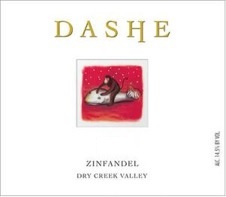
| Country: | United States |
| Regions: | California California (Sonoma County) |
| Winery: | Dashe Cellars |
| Grape Type: | Zinfandel |
| Vintage: | 2012 |
| Bottle Size: | 750 ml |
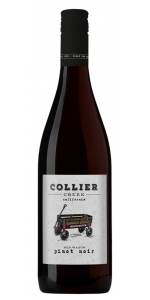
Collier Creek Old Press Zinfandel is made from 93% Zinfandel and 7% Petite Sirah.
Nestled in the heart of the Lodi Appellation, where farmland ran as far as the eye could see, Collier Creek is a place that reminds us of simpler times. The ol' press may look different these days, but this Zinfandel is still a classic with notes of dark fruit, baking spice, vanilla and a velvet mouthfeel.
Pair with blue cheese, bbq pork ribs, leg of lamb.
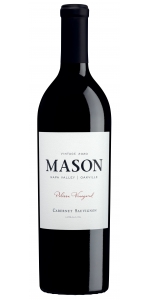
Mason Cellars Pelissa Vineyard Cabernet Sauvignon is made from 100 percent Cabernet Sauvignon.
The 2020 Mason Oakville Cabernet Sauvignon is quintessentially Oakville from nose to finish. Attractive fresh blackberry, red current and chocolate with a hint of sweet oak boast out of the glass. This wine showcases graphite, velvety tannins and concentrated, beautifully balanced flavors with a bit of spice and white pepper. These bold flavors typical of Oakville Cabernet are rounded out with velvety tannins, a weighty mid-palate and a long, juicy finish.
Production Notes:
The fruit was delicately hand-picked in the early morning hours and brought into the winery for processing. The grapes were crushed, about 60% whole berry, and cold soaked for three days before being inoculated for primary and malo-lactic fermentation. Once dry, the wine was put down to barrel for 20 months in medium toast French oak, 25% of which was new.
Vineyard Notes:
Grapes for our 2020 Mason Cabernet Sauvignon are sourced exclusively from the Pelissa Vineyard in Oakville. This vineyard spans 60 acres and is planted to Old BV Clone 7 Cabernet Sauvignon as well as Zinfandel. This vineyard is named for Andrew and Babe Pelissa, who after their marriage on August 30, 1930, made their home at the site of this vineyard which, at the time, was a dairy. Oakville is the core of Napa Valley’s famed Cabernet Sauvignon production, and this site is no exception with the flawless blending of climate and soil to create a remarkable wine.
Review:
“This firmly structured, well-balanced wine has the feel of a classic Bordeaux blend. Just-ripe red and black fruits blend with subtle toast, cedar and mint on a moderately tannic, slightly tangy texture. The wine is tasty enough to decant and drink soon with grilled lamb chops or roast chicken. Best from 2026–2036.” – Jim Gordon
-Wine Enthusiast 94 Points
SALE!
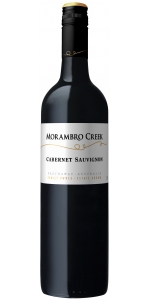
Morambro Creek Cabernet is 100 percent Cabernet
Deep purple in color. A rich elegant nose of cassis with overtones of vanilla and coffee. Lush, ripe palate dominated by black fruits, cherry and chocolate. Full bodied with savory, integrated fruit tannins and persistent finish.
Winemaking at Morambro Creek is very traditional and labour intensive. Oak maturation takes place using 35% new French barrels. This blend was put together using select barrels from our family estate that best demonstrate the intensity of our fruit balanced by integrated oak.
Total Acidity: 6.6 g/L
pH: 3.49
Review:
"From the small Padthaway region three hours' drive east of Adelaide, this is a full-bodied Cab that, despite the region's warm climate, avoids being bombastic. The nose feels Christmasy: baking spices laced with purple beets, dried mint and red berries. In the mouth it's ripe and generous, and there's a fair bit of oak showing but all is held at bay by taut, fine-grained tannins. Drink through 2025."
- Wine Enthusiast (January 2020), 90 pts
"Layers of mint, tobacco and cassis unfold on the nose of the 2016 Cabernet Sauvignon. Mature and ready to drink, this medium to full-bodied wine is a fine example of Padthaway's (and the larger Limestone Coast region's) potential for Bordeaux varieties. Silky, savory and dry, it displays fine lines despite its heft, with bright acids and a lingering finish. - Joe Czerwinski"
- Robert Parker's Wine Advocate (Issue #253, February 2021), 90 pts
"Bright ruby. Spice-accented cherry and floral qualities on the nose, along with a hint of dark chocolate. In a juicy, forward style, offering bitter cherry and cassis flavors that show good depth and spicy lift. Easygoing tannins frame a long, smooth finish that echoes the floral note."
- Antonio Galloni's Vinous (September 2022), 90 pts
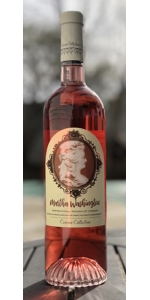
In 2019, Chris Pearmund worked with sixteen Virginia wineries to create a blended wine with grapes from each participating vineyard to commemorate the 400th Anniversary of Winemaking in Virginia. A portion of the wine’s proceeds were donated to museums and events that would contribute to tourism in the Commonwealth and foster a broader understanding of Virginia’s cultures and cuisines. This idea sparked another movement to celebrate through wine, and Cameo seemed a perfect way to commemorate the milestone moment in history.
Cameo Wine Collection was created to highlight women in Virginia, and the memorable events that have unfolded in the Commonwealth that lead to the movement to secure women’s right to vote. Raise a glass and toast the 100th Anniversary of the 19th Amendment. Cameo Rosé honors 12 of Virginia’s most influential women. Each bottle has a label depicting one of the chosen women, who’s contributions range from historic, business, entertainment, politics, and wine. The story of the suffrage movement in Virginia is an important part of the collective history. A variety of cultures and eras have been curated to share recollections of the fearless, passionate ways each woman lived so that a case of wine will contain twelve different individuals to celebrate. Women like Martha Washington, Pearl Bailey, and Ella Fitzgerald.
Cameo Rosé offers aromas of raspberry, strawberry, and peach. Dry on the palate, silky tannins and minerality are balanced by strawberry and orange zest flavors.
A refreshing and crisp, dry white with notes of grapefruit and hints of candied pineapple on the nose. Pearmund Cellars is the largest producer of this standout varietal in the Americas.
Wine Information
Alcohol Content: 12.5%
Residual Sugar: 0%
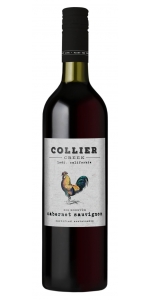
Collier Creek Big Rooster Cabernet Sauvignon is made from 90% Cabernet Sauvignon and 10% Teroldego.
Nestled in the heart of the Lodi Appellation, where farmland ran as far as the eye could see, Collier Creek is a place that reminds us of simpler times. With notes of dark fruit, vanilla and full bodied, we're cocky about how good this Cabernet is. The Big Rooster lands in dry and fruit forward on the finish.
RS: 4.3 g/L
TA: 6.8 g/L
Pair with red meat and stews, or hard cheeses like cheddar.
Dashe Cellars Zinfandel Dry Creek 2012 is 95% Zinfandel, 5% Petite Sirah
The wine was aged for 10 months in a mixture of French oak (30%) and American oak barrels (70%) - 15% new oak
"Crisp and juicy, with layered raspberry and cinnamon aromas and briary tannins that sneak in."
The Dashe Cellars Estate
Dashe Cellars were founded in 1996 by Anne and Michael Dashe, a husband and wife winemaking team who created a small winery that focuses on wines from Sonoma County. Since Anne's winemaking origins are French and Michael's are American, they wanted to elaborate distinctive wines that offered the best from both of their countries of origin.
The Dashe Cellars Vineyards
They have decided to concentrate on single vineyard sites - to locate small independent vineyards and create wines that reflect the vineyards unique soil, climate, and regional characteristics. They use traditional fine winemaking techniques such as small lot fermentations, the use of indigenous yeast on the grapes to conduct the fermentations, little or no fining or filtration, and small barrel aging. All the wines are made, tasted, and blended by the production team of Michael, Anne, and Matt Smith (enologist).
Weingut Prager Achleiten Riesling Smaragd is made from 100 percent Riesling.
Franz Prager, co-founder of the Vinea Wachau, had already earned a reputation for his wines when Toni Bodenstein married into the family. Bodenstein’s passion for biodiversity and old terraces, coupled with brilliant winemaking, places Prager in the highest echelon of Austrian producers.
Smaragd is a designation of ripeness for dry wines used exclusively by members of the Vinea Wachau. The wines must have a minimum alcohol of 12.5%. The grapes are hand-harvested, typically in October and November, and are sent directly to press where they spontaneously ferment in stainless-steel tanks.
Achleiten sits east of Weißenkirchen and is one of the most famous vineyards in the Wachau. The steeply-terraced vineyard existed in Roman times. Some sections have just 40 cm of topsoil over the bedrock of Gföler Gneiss, amphibolitic stone, and slate. “Destroyed soil,” as Toni Bodenstein likes to say.
Tasting Notes:
Austrian Riesling is often defined by elevated levels of dry extract thanks to a lengthy ripening period and freshness due to dramatic temperature swings between day and night. Wines from Achleiten’s highly complex soils are famously marked by a mineral note of flint or gun smoke, are intensely flavored, and reliably long-lived.
Food Pairing:
Riesling’s high acidity makes it one of the most versatile wines at the table. Riesling can be used to cut the fattiness of foods such as pork or sausages and can tame some saltiness. Conversely, it can highlight foods such as fish or vegetables in the same way a squeeze of lemon or a vinaigrette might.
Review:
The 2020 Ried Achleiten Riesling Smaragd offers a well-concentrated, fleshy and spicy stone fruit aroma with crunchy and flinty notes. It needs some time to get rid of the stewed fruit flavors, though. Full-bodied, fresh and crystalline, this is an elegant, complex and finely tannic Riesling that needs some years rather than a carafe to polymerize the tannins and gain some finesse. Tasted at the domain in June 2021.
At Prager, I could not determine that 2020 would be inferior to the 2019 vintage; on the contrary, the 2020 Smaragd wines fascinated me enormously in their clear, cool, terroir-tinged way. A 38% loss had occurred mainly because of the hail on August 22, although predominantly in the Federspiel or Riesling vineyards. There was no damage in the top vineyards such as Ried Klaus, Achleiten or Zwerithaler. "Interestingly, the vines are in agony for about two weeks after the hail. There was no more growth, no development of ripeness and sugar," reports Toni Bondenstein. The Veltliner then recovered earlier, while even picking a Riesling Federspiel in October was still a struggle. "Why Riesling reacted more intensively to the hail, I don't know myself either," says Bodenstein. Whole clusters were pressed to preserve acidity and to compensate for the lower extract, and compared to 2019, the 2020s were left on their lees longer. In June, however, the 20s in particular showed outstanding early shape.
-Wine Advocate 94 Points
Light yellow-green, silver reflections. Yellow stone fruit nuances with a mineral underlay, notes of peach and mango, a hint of tangerine zest, mineral touch. Juicy, elegant, white fruit, acidity structure rich in finesse, lemony-salty finish, sure aging potential.
-Falstaff 95 Points
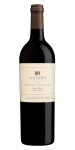
Neyer's Cabernet Sauvignon Red Wine has a bright ruby hue with aromas of wild cherries, chocolate and fresh tobacco leaf. The finished wine is remarkable for its flavor and complexity, and the wine looks to be one that will improve for many years. Planted in 1992 by David Abreu, this fruit is located on ground higher than 600 feet on rocky land rich with basalt. This vineyard is one of the rare 10% in Napa Valley capable of producing great Cabernet Sauvignon and is planted around the Neyers Ranch.
Review:
-Decanter 93 Points
-Wine Enthusiast 93 Points



