
" We don't sell the wine without touching the vine "
| Country: | United States |
| Regions: | California (Central Coast) California (Sonoma County) |
| Winery: | Dashe Cellars |
| Grape Type: | Zinfandel |
| Vintage: | 2009 |
| Bottle Size: | 750 ml |
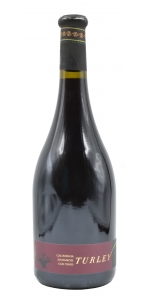
The sage, autumnal older sister to the spring verve of the Juvenile, Old Vines encompasses everything we stand for at Turley. Teeming with dark berries, currants, baking spices, earth, and a sprinkle of petrichor on the nose. The palate is brooding yet supple, serious yet satisfying. Inherently embodies the depth, complexity, and grace that can only come from old vines.
Review:
As with the Juvenile bottling, the 2022 Zinfandel Old Vines punches above its weight in this vintage. The nose is considerably deeper, fuller and more polished, opening with aromas of crushed plums, wild berry preserves, tobacco leaves and similar autumnal accents to its younger sibling. The palate is light- to medium-bodied, carrying through the polished quality of the nose and melds it with a subtly dusty tannin structure and bright acidity. The finish is straightforward and easy to drink, offering generous layers of fruit, spice and floral notes.
- Robert Parker's Wine Advocate 92 Points
A gutsy little red, with intense yet zesty flavors of raspberry, cranberry, savory anise and black pepper that finish with briary tannins.
Wine Spectator 92 Points
SALE!
Lodi, American Viticulture Area (AVA) – The Lodi AVA is located in the northern end of the San Joaquin Valley, Central Valley California, east of the San Francisco Bay. Lodi has warm days and cool nights, similar to the Mediterranean climate. The lower temperatures that occur in Lodi result in fruit with good acidity. A wide range of soils are found in the Lodi AVA, but they generally are deep, loamy, sandy, rocky soils similar to that found in southern Rhone valley.
The Lodi appellation totals almost one half million acres, and the approximately eight hundred growers farm roughly 90,000 acres. Lodi produces more Cabernet Sauvignon, Chardonnay, Merlot, Sauvignon Blanc, and Zinfandel than any other wine region in California, but it is probably best known for its old vine Zinfandel. The vines are often head trained giving them a classic old world appearance.
Zinfandel – The Zinfandel grape is a hearty variety that produces grapes with high sugar levels, often resulting in wines with a high alcohol content. Thought to be a relative of Primitivo that is found in southeast of Italy (the boot heel), Zinfandel can be made into a wide range of wine styles, including White Zinfandel, light or full bodied red wines, and even late harvest desert style wine. However Zinfandel, especially Old Vine Zinfandel from Lodi, is usually made into a full bodied, spicy red wine with characteristics of red fruit, raspberry, and cherry.
Produced in the heart of Lodi AVA.
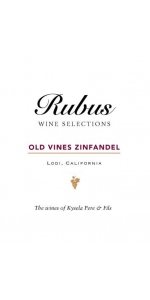
Rubus Zinfandel Lodi is made from 98% Zinfandel + 2% Cabernet Sauvignon
Bottled after aging in French and American oak for 9 months.
Rubus Zinfandel Lodi presents with ruby red in color, with red fruit, raspberry, and spice on the nose. This wine is medium in body, with notes of ripe cherry, cedar box, cinnamon, anise, black pepper, and hint of smoke on the palate. It has a long, silky finish.
Selected by Fran Kysela MS.
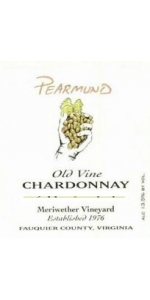
Pearmund Cellars Old Vine Chardonnay is made from 100 percent Chardonnay.
Warm buttery flavor, hint of pear and apple. Full-bodied and lush to the palate. Aged nine months in French oak
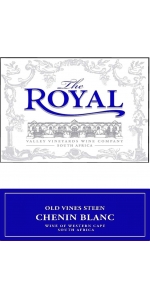
The Royal Chenin Blanc Old Vines Steen is 100 percent Chenin Blanc.
As the unofficial drink of the Riebeek Valley, Chenin Blanc is the perfect every day wine that offers uncomplicated quality for the novice and connoisseur alike. Packed with upfront melon fruit, the nose charms with an abundance of guava and gooseberries as well as the signature hint of honey. The palate follows through with fruit flavors balanced by a crisp acid to ensure a fresh and fruity style of wine.
Enjoy well-chilled as a lovely crisp glass on its own but ideal for al fresco dining and with light summer fare. Beautiful with salads, anti pasti and seafood.
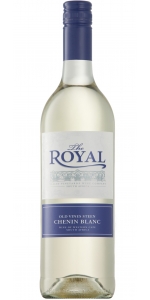
The Royal Chenin Blanc Old Vines Steen is 100 percent Chenin Blanc.
As the unofficial drink of the Riebeek Valley, Chenin Blanc is the perfect every day wine that offers uncomplicated quality for the novice and connoisseur alike. Packed with upfront melon fruit, the nose charms with an abundance of guava and gooseberries as well as the signature hint of honey. The palate follows through with fruit flavors balanced by a crisp acid to ensure a fresh and fruity style of wine.
Enjoy well-chilled as a lovely crisp glass on its own but ideal for al fresco dining and with light summer fare. Beautiful with salads, anti pasti and seafood.
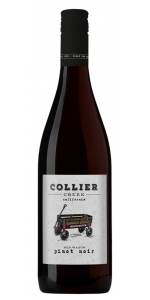
Collier Creek Old Press Zinfandel is made from 93% Zinfandel and 7% Petite Sirah.
Nestled in the heart of the Lodi Appellation, where farmland ran as far as the eye could see, Collier Creek is a place that reminds us of simpler times. The ol' press may look different these days, but this Zinfandel is still a classic with notes of dark fruit, baking spice, vanilla and a velvet mouthfeel.
Pair with blue cheese, bbq pork ribs, leg of lamb.
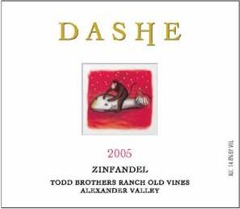
Dashe Cellars, Zinfandel, Todd Brothers Ranch Old Vines is made from 100 percent Zinfandel
This is the twelfth vintage that we’ve made wine from these great old vines grown in one of the best red-soil vineyards in Sonoma. These thick, gnarled vines planted on the steep red rock slope in Geyserville always produce jet-black, intensely-flavored and very complex grapes. Since the vintage of 2009 was simply a stunning year for growing grapes, the Todd Brothers Ranch Zinfandel we produced in this vintage is equally stunning.
In 2009 as is our tradition we harvested the Todd Brothers Ranch grapes before any of our other grapes, in early September. The grapes were trucked to the winery in ½ ton picking bins, and then hand sorted (to remove any materials other than grapes or less than perfect grapes) on a conveyor belt on their way to the crusher. We fermented the grapes using our traditional method of native yeast fermentation, using the yeasts on the surface of the grapes to ferment the grape must. This native yeast method maximizes flavor, color, and complexity from the grapes. At dryness, the wine was gently pressed in a membrane press and pumped to traditional 60-gallon French oak barrels.
The wine from the start was dark purple in color and quite complex in flavors. The fermentation proceeded quickly, and we were able to press the grapes after only about 10 days on the skins. The resulting wine was a perfect balance of fruit, spice, and deeper earthy and mineral flavors.
The wine was aged for 14 months in one-year-old or older French oak barrels (we prefer the flavor of the fruit to not be overpowered by too much oak flavor. This wine is 100% from the Todd Brothers Ranch, and 99% Zinfandel) the remaining 1% is Petite Sirah grown on the vineyard. We feel this wine should easily improve with eight or more years of bottle age.
"The 2007 Zinfandel Louvau Vineyard Old Vines possesses more raspberry, garrigue, pepper and lavender notes which almost smell like something from southern France or Spain. Slightly deeper than the 2008, but with more acidity and more structure, it is not as endearing and charming as the 2008, but it is big, rich, and intense. It should drink well for 5-6 years.
Readers looking for Zinfandel made with a Pinot Noir sensibility should check out these efforts from Dashe Cellars."
- Wine Advocate (Feb. 2011), 90 pts
The Dashe Cellars Estate
Dashe Cellars were founded in 1996 by Anne and Michael Dashe, a husband and wife winemaking team who created a small winery that focuses on wines from Sonoma County. Since Anne's winemaking origins are French and Michael's are American, they wanted to elaborate distinctive wines that offered the best from both of their countries of origin.
The Dashe Cellars Vineyards
They have decided to concentrate on single vineyard sites - to locate small independent vineyards and create wines that reflect the vineyards unique soil, climate, and regional characteristics. They use traditional fine winemaking techniques such as small lot fermentations, the use of indigenous yeast on the grapes to conduct the fermentations, little or no fining or filtration, and small barrel aging. All the wines are made, tasted, and blended by the production team of Michael, Anne, and Matt Smith (enologist).
Domaine Jean Grivot Clos de Vougeot Grand Cru is made from 100 percent Pinot Noir.
Domaine Jean Grivot is among the great names in Burgundian wine. Étienne Grivot and his wife Marielle took over from Étienne’s father Jean Grivot in 1987. The vineyards are densely planted and farmed organically “sans certification” while the aim in the cellar is for balance and clear expression of terroir.
Jean Grivot’s 38.3 acres spread across 22 appellations with vineyards in the communes of Vosne-Romanée, Vougeot, Chambolle-Musigny, and Nuits-Saint-Georges. Besides the three grand crus, there are 8 premier crus including the much lauded Les Beaux Monts and Suchots in Vosne-Romanée. The grapes are completely de-stemmed and fermentation is spontaneous.
About the Vineyard:
Clos de Vougeot grand cru was acquired by Étienne’s grandfather, Gaston Grivot, in 1919. The total holding is 4.6 acres from the middle of the vineyard to the lower wall and the average vine age is 40 years old. A good Clos de Vougeot should be a complete wine without any one feature standing out. It is a perfect balance of power, aroma, and flavor.
Wine Production:
The grapes are destemmed and maceration à froid usually lasts just a day or two. The alcoholic fermentation is spontaneous and malolactic fermentation occurs in barrel. Depending on the vintage, the proportion of new oak is around 40-70% percent for the grands crus.
Tasting Notes:
The wine shows aromas and flavors of red berries, herbs, and purple flowers. The palate is rich with ripe fruit and medium weight with bright acidity and fine tannins. Aging in 40-70% new Burgundian pièce brings notes of vanilla, toast, and baking spices.
Food Pairing:
Red Burgundy might be the world’s most flexible food wine. The wine’s high acidity, medium body, medium alcohol, and low tannins make it very food-friendly. Red Burgundy, with its earthy and sometimes gamey character, is a classic partner to roasted game birds, grilled duck breast, and dishes that feature mushrooms, black truffles, or are rich in umami.
Review:
This round version is packed with ripe black cherry, violet, graphite and tobacco flavors. The silky texture and vibrant acidity work in tandem, while refined tannins provide support without getting in the way. There are a few edges to be worked out, yet this is long and concentrated.
-Wine Spectator 95 Points
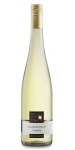
Weinkeller Erbach Goldmuskateller Feinherb is made from 100% Goldmuskateller.
The old name for the Erbacher Honigberg was Wacholderwiesen, meaning juniper meadows. At the Wacholderwiesen there was an uprising of the peasants in the 16th century. All the ringleaders were hanged.
The Muskateller grape has the smell of elder-berries, apricots and quince. A subtle aroma of lime and coconut rounds off the experience.
RS: 27.7grams / Liter
Acidity: 6.1
Pairing: Mountain cheese, spicy Asian food, ice-cubes with lemon balm in a long drink (lemon balm grows in the vineyard Erbacher Honigberg).



