
" We don't sell the wine without touching the vine "
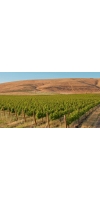
The DeLille Cellars Estate
Founded in 1992, DeLille Cellars is a small family owned winery located in Woodinville, Washington. Their goal is to make the very best handcrafted, old-world style red and white wine made in the State of Washington.
The DeLille Cellars Vineyard
The beautiful ten-acre site sits above the Woodinville valley floor, overlooking the wineries of Chateau Ste. Michelle and Columbia Winery. All DeLille wines are elaborated with the highest “hand-crafted” standards. Only grapes from the oldest and best vineyards in Washington State are used. They are hand picked and hand sorted at crush, using only the finest berry clusters. The wines are aged in 100% new French oak barrels each and every year and are never filtered.
The DeLille Cellars Wines
In the words of David Schildknecht, The Wine Advocate, December 2012:
"Winemaker-vineyard manager and self-styled "old world traditionalist" Chris Upchurch has been the guiding spirit of DeLille Cellars since its early-’90s inception, although the ostensibly Old World models followed have evolved significantly in both marketing and winemaking terms. Early-on, DeLille, unsurprisingly, – like so many other U.S. wineries – focused exclusively on a Bordelais vision. That said, Upchurch and his partners had been in business for nearly a decade before they purchased a vineyard: Grand Ciel, adjacent to Ciel du Cheval and Galitzine and managed by the accomplished and (seemingly in Red Mountain at least) ubiquitous Ryan Johnson. DeLille also vinifies and bottles separately the fruit of Harrison Hill’s antique vines (for more about which see my tasting note on the 2009 vintage) and a second estate vineyard project is afoot. The established if misleading name Chaleur Estate was retained for DeLille’s flagship wine crafted from contract fruit (second wine: D2); while the designation Doyenne – utilized from early-on for Syrah – morphed into an officially separate winery for experimental-minded exploration of themes inspired by Southern France. (For database purposes, we at The Wine Advocate / eRobertParker.com treat Doyenne as part of the relevant wines’ descriptions and a DeLille sub-label, which reflects the way those wines are marketed and the spirit in which they were presented to me. Comments on Upchurch’s vinificatory approaches can be found sprinkled though my tasting notes.)"
No products found

Fonseca Vintage Port 1966 has been pulled from a Gentleman's cellar, all wines from this cellar have been purchased by the owner either from the importer or direct from winery. They stayed in his cellar until being moved to the Timeless Wines warehouse.
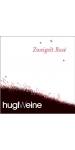
Despite its relative youth, Zweigelt is actually an Austrian classic. This variety was created in 1922, when Dr. Fritz Zweigelt crossed two grapes - St Laurent and Blaufränkisch. Originally, it was intended for the new variety to be called Rotburger, referring to the place where it was born, Klosterneuburg. But this name never took hold, and instead, Zweigelt was named after the man who was the key in its development.
Today, Zweigelt is the most widely planted red variety in Austria, growing in nearly 9% of this country's vineyards. It is a robust grape, highly resistant to dryness, frost and various diseases.
The wine boasts a pale rosé color, it has plenty of fruity aromas, with red cherry and wild strawberry flavors. It is medium-bodied, but it still have a nice long and pleasant finish with a light cinnamon type of spice to it.
Only the best grapes are harvested with a lot of experience and know-how and further processed. The grapes are fermented directly gently pressed and cooled. The fermentation takes place exclusively in stainless steel tanks.
Perfectly at home on any picnic, delicious with fried chicken, and tames the heat when paired with spicy dishes. There is also a slight watermelon note that makes it perfect for spring and summer. A great pairing with barbecued shrimp.



