
" We don't sell the wine without touching the vine "
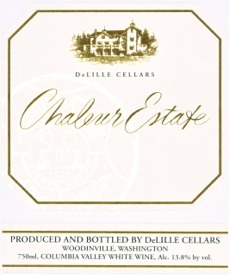
| Country: | United States |
| Region: | Washington |
| Winery: | DeLille Cellars |
| Grape Types: | Cabernet Franc Cabernet Sauvignon Merlot |
| Vintage: | 2011 |
| Bottle Size: | 750 ml |
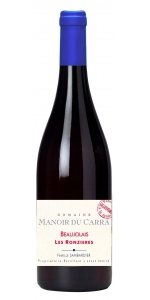
Carra Beaujolais Rouge Les Ronzieres is made from 100% Gamay.
From granitic and sandy soils, this Beaujolais Rouge exhibits a nice color, with hints of cherry and garnet, and reveals aromas of red fruit dominated by cassis and strawberry. This cuvée was specially made to enjoy young with an easy drinking mouthfeel perfect for charcuterie and cheeses.
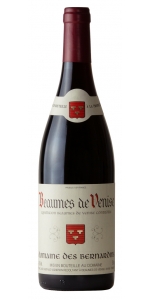
Bernardins Beaumes de Venise Rouge Cru Cotes du Rhone is made from 65% Grenache, 25% Syrah, 5% Mourvedre and 5% Grenache Blanc.
Bright ruby color with cherry tinges. Complex black fruit aromas on the nose enhanced by spicy notes. Rounded palate with good length.
The wine is drinking well right now and can be kept for another 10 years.
Situation
Spreads out over the south-east side of the Dentelles de Montmirail hills, in Beaumes de Venise in the southern part of the Rhone valley.
Terroir
On a poor sandy, hungry and arid soil consisting of tender limestone and gritty zones of sandy mollasse.
In the vineyard
The vineyards and their terroir are the essence of our wines. This is where everything starts and where we focus our efforts throughout the year. You can’t make great wine without great grapes.
The viticulture is essentially done by hand. Five people work full-time in the vineyards. They are supplemented by seasonal employees who work during bunch thinning and the harvest in order to bring out the very best in our vines. Working by hand and the attention each vine gets are fundamental. Pruning, de-budding, trellising, leaf removal and picking are thus carried out by hand with the utmost care.
We prepare the soil by using good old-fashioned ploughing. Organic compost is made from grape marc (the discarded stalks and skins).
As a way of protecting the plants, we only use phytosanitary products when necessary and within strict guidelines by staggering the treatments appropriately, to minimise the amount of chemicals used. We prefer to use as much as possible manual and organic techniques . Leaving natural grass cover, removing buds and leaves from the vines, preserving biodiversity around the vineyard: olive, almond and cypress trees, wild rosemary and capers.
Winemaking
We make two red wines at the estate. Terroir wines shaped by the two classic Côtes du Rhône varieties: Grenache and Syrah. We don’t follow any winemaking recipe but are constantly searching for the perfect expression of terroir and each vintage’s particular characteristics. We don’t go for overripe grapes and over-extraction, as we think the wine has to stay refreshing and balanced.
Leaving the wine for 15 days in concrete vats, we try to gently extract the tannins and anthocyanins essential for the wine’s structure and colour. The wine doesn’t come into any contact with wood during ageing. This way the characteristics of our terroir can fully express
Serve with a meal especially red meat, game and cheese.
Review:
"Smoky bacon, bay leaf and olive brine. This is very fine for a whole-bunch style, with lovely tannic finesse and texture. Powerful, tannic and cleansing, yet compact, with driving acidity, a dry, savoury finish and perfect balance. A good vintage, for what is a reliably good-value southern Rhône pick. Vineyards in conversion to organic; fruit is whole-bunch fermented.- Matt WALLS"
- Decanter (October 1st 2024), 94 pts
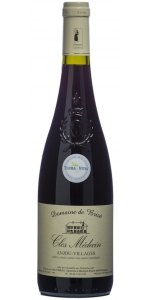
Brize Clos Medecin Anjou Villages Rouge is made from 60% Cabernet Franc and 40% Cabernet Sauvignon.
This is the flagship of the Estate. Clos Medecin has been produced at the estate for 90 years. All the grapes for this wine come from a very special parcel. The wine offers red fruit aromas. It is fresh, round and ample in the mouth.
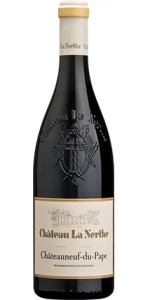
Chateau La Nerthe Chateauneuf-du-Pape Rouge is made from Grenache 39%, Mourvédre 33%, Syrah 25%, Cinsault 2%, Others 1%.
Château La Nerthe is one of the oldest estates in Châteauneuf-du-Pape and dates from 1560. Château La Nerthe has 227 acres of vineyards that surround the château and top the renowned La Crau plateau. The terroir is typical of the region. Vineyards run along a slope and grow in sandy-clay soils. The ground is covered by a layer of ‘galets’ – large, round, well-worn stones that were carried down from the Alps by glaciers during the last ice age. All the 13 permitted primary varietals are planted here. Grenache dominates 62% of the vineyards and the average vine age is over 40 years old. The grapes are hand harvested and sorted on tables. The grapes are then put into vats for almost 4 weeks with regular pump overs and punch downs. The must is tasted every day during fermentation to ensure the best extraction of the berry compounds. At the end, the wines are racked into oak vats for malolactic fermentation. The cuvée is then aged in large French oak casks and barrels for 12 months before blending. Bottling takes place 6 months later.
The dark, deep, inky color of the wine shows immediately, stemming from the concentration of the vintage. Nose of blackcurrants, black tea and dried flowers stands out. The mouth is rich, fruity and velvety with an incredibly layered tannic structure. The wine is balanced and pure with strong intense and incredibly long aging potential.
Review:
A focused expression, this wine delivers pure red and black fruits unfolding against a delicate rose-petal backdrop. Silky yet chewy tannins gradually reveal layers of red cherry, pomegranate, spice, violets, and a hint of clove. Its elegance is underscored by fine tannins, suggesting a wine that, while quiet now, holds the promise of revealing its full beauty with time in the bottle. Cellaring through 2028+ before revisiting should prove to be rewarding.
-Wine Enthusiast 93 Points

All older vintage wines have been purchased from a single collectors cellar. Pictures can be requested before shipment.
All older vintage wines have been purchased from a single collectors cellar. Pictures can be requested before shipment.
This wine showcases a rich and powerful vintage. The nose unfolds in layers of red, black and blueberry fruits highlighted with plums, allspice, anise, and jasmine. There is also an intriguing element reminiscent of a toasty, flaky piecrust to the wine along with pepper and cocoa aromas. On the palate, the complexity continues with the addition of raspberries, red currants, cedar, pie cherries reinforced with more plums, anise and cocoa. Every sip is wrapped in accessible and savory tannins. There is a beautiful yet youthful balance to the wine with a seamless finish.
The DeLille Cellars Estate
Founded in 1992, DeLille Cellars is a small family owned winery located in Woodinville, Washington. Their goal is to make the very best handcrafted, old-world style red and white wine made in the State of Washington.
The DeLille Cellars Vineyard
The beautiful ten-acre site sits above the Woodinville valley floor, overlooking the wineries of Chateau Ste. Michelle and Columbia Winery. All DeLille wines are elaborated with the highest “hand-crafted” standards. Only grapes from the oldest and best vineyards in Washington State are used. They are hand picked and hand sorted at crush, using only the finest berry clusters. The wines are aged in 100% new French oak barrels each and every year and are never filtered.
The DeLille Cellars Wines
In the words of David Schildknecht, The Wine Advocate, December 2012:
"Winemaker-vineyard manager and self-styled "old world traditionalist" Chris Upchurch has been the guiding spirit of DeLille Cellars since its early-’90s inception, although the ostensibly Old World models followed have evolved significantly in both marketing and winemaking terms. Early-on, DeLille, unsurprisingly, – like so many other U.S. wineries – focused exclusively on a Bordelais vision. That said, Upchurch and his partners had been in business for nearly a decade before they purchased a vineyard: Grand Ciel, adjacent to Ciel du Cheval and Galitzine and managed by the accomplished and (seemingly in Red Mountain at least) ubiquitous Ryan Johnson. DeLille also vinifies and bottles separately the fruit of Harrison Hill’s antique vines (for more about which see my tasting note on the 2009 vintage) and a second estate vineyard project is afoot. The established if misleading name Chaleur Estate was retained for DeLille’s flagship wine crafted from contract fruit (second wine: D2); while the designation Doyenne – utilized from early-on for Syrah – morphed into an officially separate winery for experimental-minded exploration of themes inspired by Southern France. (For database purposes, we at The Wine Advocate / eRobertParker.com treat Doyenne as part of the relevant wines’ descriptions and a DeLille sub-label, which reflects the way those wines are marketed and the spirit in which they were presented to me. Comments on Upchurch’s vinificatory approaches can be found sprinkled though my tasting notes.)"
Aalto P.S. Pagos Seleccionados Tinto is made from 100 percent Tempranillo.
Climatic conditions
The farming year began with a mild autumn and little precipitation. A very dry winter started with -9ºC reaching at the end higher temperatures than normal for that time of the year. Spring and summer characterized by little rain, only some rain showers in July and late August avoided the hydric stress of the vines. The vegetative cycle of the vine developed with big variations of temperatures, alternating warm and atypical low temperatures of 4ºC for mid-June. The ripening of the grapes happened under very good conditions and the harvest started on 24th September 2019.
100% Tinto Fino (Tempranillo) primarily from very old vines – 60 to 90 years old – from selected plots in La Horra and La Aguilera. The harvest was done by hand, in small boxes of 15 kilos that are thoroughly inspected, bunch by bunch, on the selection table.
Tasting notes
Review:
Color: dark cherry, Aroma: toasty, spicy, fine cocoa, black fruit, Mouth: tasty, toasty, fine bitterness, ripe tannins
Guia Penin 94 Points

A ruby red garnet color, ripe fruit aromas, dried fruits, hints of licorice and scents of vanilla. Robust and harmonious in the mouth, a rich texture. The wine is only produced in the best vintages.
The grapes are coming from a vineyard planted at 400 meters above sea level. The soil is mainly marl and limestone.
The density of vines per hectare is 5,000 plants, which is equivalent to 2,000 vines per acre.
The pruning technique used is cordon
The grapes used are 100% Sangiovese grosso
Alcoholic fermentation was done in tank, while the Malo-Lactic fermentation was carried in oak barrels.
Wine was then aged for one year in big French oak barrels and 3 years in Slavonian oak barrels.
Review:
A super-intense and rich wine full of detail and deep, vibrant minerality. Dark cherries and dark berries, restrained and precise, are allied to potpourri and smoky woodland aromas. Leather and tobacco on the nose as well. Firm tannins on the palate with crisp acidity, full body and a savory finish, stern and chocolaty. Drink or hold.
-James Suckling 94 Points



