
" We don't sell the wine without touching the vine "
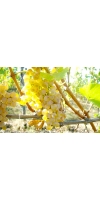
The DeLucia Estate
Benevento Sannio is an ancient land, very rich in history. Since Samnites times, this area has held an important strategic role in the region's economic and social life, thanks in part to the area's mountainous configuration.
The winery is located in a village called Guardia Sanframodi, in the province of Benevento (40 miles Northeast of Naples). The town lies at 428 meters above sea level and overlooks the Valley of the Calore River
The DeLucia Vineyard
Winemaker Carlo De Lucia has taken on the area's agricultural traditions of using modern systems to produce wines of a superior quality, obtained from the selection of the best grapes, rich in flavors and tastes of this ancient land. In the early 90’s, he built a new cellar and began planting new vineyards in Guyot – this meant a lower grape production, but higher quality wines.
Above all, he concentrates on the two native grape varieties with the best potential: Falanghina for the white grapes, and Aglianico for a small part of the red ones. The wine estate stretches over about 12 hectares of specialized vineyards, which benefit from the perfect micro-climate occurring from the Apennines Mountains and the air currents coming from the near sea.
No products found
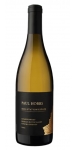
Colored in pearlescent pale straw tones flecked with gold, our 2022 chardonnay from Russian River Valley’s cool Green Valley opens with a refreshing swirl of clover and fresh-cut alfalfa laced with spring blossoms around hints of white peach and citrus that open to crisp Fuji apple and warm baking spice. Apple notes carry through in the mouth over complex layers of crème caramel and butterscotch, all lifted with the bright energy of juicy acidity and savory oyster shell minerality. The rich, structured finish is touched with sea salt—the briny tension in elegant balance with a touch of new oak.
Green tint to the light yellow color. A very tight 2022 for this hot vintage, showing tension and focus. Medium- to full-bodied with super integrated tannins that show such length and intensity. It gives a beautiful nod to grand cru Burgundies of yesteryear. Love this. Drink or hold.
-James Suckling 97 Points
Technically from Green Valley of the Russian River Valley, the 2022 Chardonnay Ross Station Estate is a bright yellow green hue and comes from the Hudson Vineyard, which sits on pure Goldridge soils and includes some of the later ripening Calera clones. Aged 18 months in barrel, the wine has a Grand Cru-like richness and layered depth. In the glass, it shows off a wonderful bouquet of candied apple, honeysuckle, lemon oils, and almond. The palate is rounded, with a silky texture and great acidity that propels it through the palate to its long finish with notes of almond. This is an exceptional wine to drink over the next 10-12 years. 460 cases were produced. Drink: 2024-2036.
-Jeb Dunnuck 97 Points
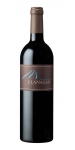
Flanagan Beauty of Three Cabernet Sauvignon is made from 75% Cabernet Sauvignon and 25% Merlot.



