
" We don't sell the wine without touching the vine "
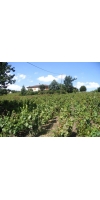
The Domaine Descroix Estate
Domaine Descroix was founded in 1905 and has been in the family for four generations. Xavier Descroix is the current owner. The winery is located in the village of Lantignie, north of Beaujolais, right next to Beaujeu which is the historic capital of Beaujolais and gave its name to the region. Lantignie encompasses the crus Regnie, Brouilly and Morgon.
The wines are vinified, aged and bottled at the winery combining tradition and modern technologies.
They sell 50% of their production in bulk to négociants, the rest at the property and started to sell to the export market in 2006.
They work in respect of the terroir and the environment and focus on the work in the vineyard and low yields to obtain high quality grapes producing excellent wines. They aim to produce Beaujolais wines that are authentic and true to the appellation.
The Domaine Descroix Vineyard
The vineyard measures 11.27 hectares total (27.84 acres), broken down as follows:
- 9.75 hectares in Beaujolais and Beaujolais Villages AOC, located in the towns of Beaujeu and Lantignié. Soils are made of granite and sand which results in fruity wines with character.
- 0.56 ha in Brouilly AOC, located in the town of Saint Lager, at the bottom of Mount Brouilly, on schist based soils. The wines are fruity with good concentration.
- 0.69 ha in Morgon AOC, located in the parcels called “Grand Cras” in Morgon. Soils are made of manganese and granite and produce typical and powerful wines.
- 0.27 ha in Beaujolais Villages Blanc and Bourgogne Blanc planted with Chardonnay and situated in Beaujeu, on very steep slopes made of clay and granite soils, with a southern exposure.
No products found
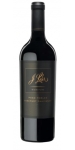
J Lohr Signature Paso Robles Cabernet Sauvignon is made from 80% Cabernet Sauvignon 6% Cabernet Franc 6% Saint Macaire 4% Petit Verdot 4% Malbec.
J. Lohr Signature Cabernet Sauvignon was first produced to honor the 80th birthday of founder Jerry Lohr. This limited release was specially selected and blended from the exceptional 2016 vintage in Paso Robles. It is both a tribute to Jerry's pioneering efforts in the region and our red wine portfolio's ultimate expression of Cabernet Sauvignon. VINEYARDS & CELLAR Beck Vineyard, in the Creston District of Paso Robles, is a unique, high elevation site that sits at 1,700 feet above the early morning fog line. Its calcareous soils and cooling afternoon winds are perfect for growing Cabernet Sauvignon. The Cabernet from this vineyard ripens early with excellent color, purity of fruit, and phenolic maturity. Incorporation of Cabernet Franc brings freshness to the blend, while the rare Bordeaux variety, Saint Macaire, brings density and a savory character. Petit Verdot and Malbec add structure, color, and a component of bright fruit. The hand-harvested grapes were held separate at harvest and berry-sorted into six-ton open top tanks for fermentation. Maceration took place on the skins for five days, before early pressing to achieve ideal tannin extraction. Aged 19 months in 100% new French oak from coopers Nadalie and Sylvain.
Review:
The nose on this luxury-level bottling is pure and refreshing, offering aromas of black cherry, loamy soil, dried mint and caramel-laced coffee. The palate is framed by upright tannins, yet is soft enough to enjoy now, showing deep flavors of black currant, dried herb, milk chocolate and toffee. Drink 2020–2040.
-Wine Enthusiast 95 Points
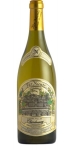
The 2024 Far Niente Winery Estate Bottled Chardonnay is a white wine from California known for its buttery and complex style, made from Chardonnay grapes grown in the Coombsville region. It features notes of citrus, melon, and pear, with a silky texture and a long, elegant finish that is complemented by hints of spice from oak aging.



