
" We don't sell the wine without touching the vine "
| Country: | United States |
| Regions: | California California (Napa) |
| Winery: | Dunn |
| Grape Type: | Cabernet Sauvignon |
| Organic: | Yes |
| Vintage: | 2018 |
| Bottle Size: | 750 ml |

Clif Lede Cabernet Sauvignon Stags Leap is made from 82% Cabernet Sauvignon, 8% Merlot, 7% Cabernet Franc, 3% Petit Verdot.
Our Stags Leap District and Calistoga estate vineyards build the foundation of this wine with support from valued grower sites located in Oakville, Rutherford, and Howell Mountain. Composed of small batches from a variety of blocks of varying age, this wine represents a diverse range of carefully selected rootstocks and clones. Yields are maintained at sparse levels, with a focus on canopy management and vine balance. The resulting blend boasts a remarkable depth and complexity that is quintessential Napa Valley.
Grapes were picked in the darkness of the early morning hours. The freshly-harvested fruit immediately underwent rigorous selection by our three-tiered sorting process, which included our cutting-edge optical sorter. Whole berries were gently delivered by gravity to tank using our crane system, minimizing disruption of berry integrity. Cold soaks lasted approximately seven days, and fermentations were managed via a combination of délestage, pumpovers, and punchdowns. Extended maceration ranging from four to five weeks fine-tuned our tannin profiles, allowing us to perfect mouth feel and wine complexity. The wine was aged in French oak barrels, 48% of which were new, for twenty-one months.
Elegantly soft and lithe the 2021 coaxes the taster with warm dark chocolate and luscious black cherry aromas. More graphite, chocolate cake, crushed mulberries, and iron notes leap from the glass. The entry is filled with dark fruit flavors of cassis, blackberry, and blue berries and they’re all tinged with floral notes of jasmine and violets. The polished tannins along the finish feel Cashmere-like and beg the taster for another sip. – Christopher Tynan, Director of Winemaking
Review:
So silky and drinkable at the first sip, this well-concentrated wine feels tight and restrained with more tastes, holding its trove of black fruits, cedar, cinnamon and dark chocolate in a rich blanket of extra-fine tannins. Its complexity, layering and lingering finish are something special.
-Wine Enthusiast 94 Points

Morlet Family Vineyards Mon Chevalier Cabernet Sauvignon is made from Cabernet Sauvignon (86%) Cabernet Franc (8%) Merlot (3%) Malbec (2%) Petit Verdot (1%) .
Located on the hillsides of Knights Valley, near Calistoga, this vineyard benefits from its proximity to Mount St. Helena, whose warm and windy climate is ideal for the long ripening of the Bordeaux red varietals. Handcrafted by using classical winemaking techniques, this special wine is dedicated to our son, Paul Morlet.
Dark red with a hue of purple. Intense and complex bouquet of red, black and blue berries intermixed with notes of blueberries, minerals (graphite, wet river rocks) licorice, fresh blond tobacco and a hint of lavender. Full bodied, the palate is reminiscent of the nose, with a richly tannic yet round frame and a great intensity. The hillside tannins and the classical aromatic complexity create a harmonious ensemble, leading to a very long and elegant finish. Built to age for decades, this collectible wine opens up after a few years of cellaring and is particularly representative of this special vineyard from the hillside of Knights Valley. Mon Chevalier features the interaction of the loamy, well drained and rocky volcanic soil, the typical sunny mountain climate and the low-interventionistic Morlet winemaking approach.
Property Name: Mon Chevalier
Name Meaning My Knight Named after our son, Paul Morlet
Type of wine Vineyard designated
Appellation Knights Valley
Vineyard singularity Morlet Family Estate Hillside 1100-1200 feet elevation Rhyolitic, loam & volcanic ash
Typical harvest date End of October
Picking Manual, small lugs, refer truck
Sorting Cluster by cluster, berry per berry
Fermentation Through native yeast Tank and Puncheons
Upbringing 16 months French oak from artisan coopers
Bottling Unfiltered
Cellaring time Decades
Serving Room temperature
Decanting recommended
Review:
The 2018 Cabernet Sauvignon Mon Chevalier comes from the Knights Valley, just north of Napa Valley in the larger Sonoma County, and it always seems to me to have one foot in Napa and one foot in Sonoma. Boasting a similar ruby/purple color (as do all of the releases here), it’s slightly more reserved and stately (knightly, if you will), with building aromas and flavors of blackcurrants, toasted bread, dried violets, baking spices, and loamy earth. These carry to a pure, full-bodied, multi-dimensional Cabernet that’s flawlessly balanced, has ripe yet certainly present tannins, a notable sense of minerality, and a great, great finish. It’s just another incredible wine from Luc Morlet that can be drunk today with ample pleasure or cellared for 20-30 years if, for some reason, you feel the need to delay gratification.
-Jeb Dunnuck 99 Points

For our 2018 Napa Valley Quilt Reserve, we tasted the developing wine throughout the fermentation and aging processes, then set aside the very best 2% for this reserve bottling. Our lot selection was based on intensity, complexity and boldness of expression that could withstand a longer aging cycle and heavier use of new French oak.
Tasting Notes
Deep Ruby Red in color with aromas of black currant, bright cherry, toffee, blackberry, marionberry pie and notes of dark chocolate. Rich and satisfying on the palate with flavors of boysenberry jam, black cherry pie filling, and cocoa layered with notes of vanilla and hazelnut. A full-bodied Cabernet with layers of concentrated black fruit, bright acidity and excellent balance. A long, velvety and satisfying finish, enjoy this stellar vintage now and for years to come!
Powerful and rich tasting, this wine from Joseph Wagner is velvety in texture and spicy in aroma. It drips with jammy Port like flavors that are backed by fine-grained tannins that tightened a bit on the finish for a good grip. Best from 2025.
-Tasting Panel 97 Points

Volker Eisele Cabernet Sauvignon Napa Valley is made from 75% Cabernet Sauvignon, 25% Merlot.
Volker Eisele Family Estate Cabernet Sauvignon is a blend of vineyard blocks from throughout the entire estate. Varying terrain, different clones, and different rootstocks produce a patchwork of flavor identities between the vineyard blocks and their resulting cuvees, brought together in a blend that is essentially a snapshot in time of a dynamic, ever-changing vineyard.
The 2015 Volker Eisele Family Estate Cabernet Sauvignon is a brilliant garnet color in the glass. The nose is extroverted and effusive with bright red aromas of ripe cherries and plums, with a touch of peach and hint of anise and white pepper. In the mouth, the wine shows excellent oak integration, with prominent flavors of juicy huckleberries, milk chocolate, and sweet barrel spices. The lengthy finish carries nutmeg, cinnamon, and vanilla through to the end. ~Molly Lippitt, Winemaker.

Cardinale Napa Valley Cabernet Sauvignon is made from 91% Cabernet Sauvignon, 9% Merlot.
Super structured and with minerality to spare, this Cabernet Sauvignon offers a real presence on the palate from start to finish. Generous notes of dark chocolate balance beautifully with a blue and black fruit flavor explosion, finishing with a subtle whisper of rose petal.
Reviews:
- James Suckling 98 Points

Mark your calendars for June! Caymus 50th Anniversary Napa Valley Cabernet Sauvignon 2022 is a testament to fifty years of exceptional winemaking by the dedicated, passionate, and family-owned Caymus Vineyards. Since 1972, they have remained a beacon of excellence in Napa Valley, staying true to their roots and producing unparalleled Cabernet Sauvignon. This limited edition wine is a celebration of their rich history, tradition, and relentless pursuit of quality across generations.
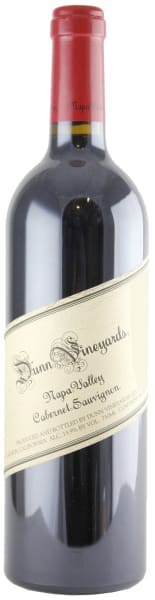
Dunn Vineyards Napa Valley Cabernet Sauvignon is made from 100 percent Cabernet.
This Napa Valley wine is a blend of their Howell Mountain fruit and a small quantity of valley floor fruit that they purchase. This valley floor fruit contributes to the wine’s earlier approachability and softer tannic structure.
Review:
“The 2018 Cabernet Sauvignon (Napa Valley) is a gorgeous wine, especially for Dunn fans who want a wine to drink that won't take forever to come around. Dark and savory, with terrific depth, the 2018 is full of character. Black cherry, lavender, chocolate, sage, mint and cloves all open in the glass. The 2018 has just enough grip to have a good amount of classic structure, but not to the point of being forbidding. The Napa Cabernet is about 55% Howell Mountain and 45% Coombsville fruit. The 2018 is beautifully done and an absolute delight.”
-Vinous 94 Points
Dunn's 2018 Cabernet Sauvignon shows terrific purity and focus in its aromas of cassis and pencil shavings and on the medium to full-bodied palate, where it's streamlined and smooth. There's intensity and concentration, but they sort of slide past almost unnoticed, lubricated by fine-grained tannins and lingering notes of cassis and graphite on the finish.
-Wine Advocate 94 Points
Since 1979, Randy and Lori Dunn have owned and operated Dunn Vineyards and continue to produce one of the most highly acclaimed Cabernet Sauvignons from Howell Mountain and the Napa Valley.
In 1978 Randy and Lori purchased a 14-acre parcel in Angwin with about 5 acres of Cabernet vines on it. At the time, Randy was working full-time as a winemaker in Rutherford. In the evenings and on weekends, Randy, Lori, and a young Mike tended the vines. The same year, Randy agreed to farm and buy the fruit from Harry Frank's adjoining property. That first harvest yielded 9 tons of fruit from these two vineyards. Randy purchased an additional 3 tons from the Beatty Ranch and Dunn Vineyards was underway. Everything picked up speed after that. Randy, Lori, Mike and baby Jennifer moved onto the property that today is the winery. In 1981, the winery was officially bonded. By 1984 the ATF approved Howell Mountain as a sub-AVA of the Napa Valley. Kristina was born and Lori was now running after 2 young daughters and a teenage son. Randy was still working down in the valley so the family business was still relegated to evenings and weekends. But things were going well. By 1985 they moved into the new family house (the "Brown House") and Randy left his job in the valley. By the end of the '80's Dunn Vineyards had become a successful operation. Randy was consulting for other wineries and selling out all of his wine. In 1989 he had run out of room to store barrels and he tunneled into the mountain to make more space. Now they had room for more barrels and a place for Jenny and Kristina to rollerskate. In 1999, Mike came back to help out part-time. It took about three years, but the "cellar grunt" came on full-time. Kristina graduated from Cal Poly with a degree in winemaking and viticulture and came onboard. By 2005, both kids were working full-time for Randy. Dunn Vineyards had always been a family business, but this was a whole new level. Kristina's girls are a little young yet, but they tour the vineyards eating wild blackberries, testing grape ripeness and visiting uncle Mike. Mike's son Alex has been helping out with bottling for the past several years and 2017 was his first full harvest. So far it looks good for the Dunn clan to continue farming this land. There are some distinct benefits to being above 1400 feet in elevation. We tend to see more sunshine each day and the heat tends to be more moderate. But spring starts later for us and, like winter, tends to be cooler here than on the valley floor. Frost is a concern from bud break through flowering. In 2008, four days of 19-degree temperatures devastated half our crop. Our yields average about 2 tons an acre (which is really low) but the cool, wet vintages do not have the same negative effects that come with being on the valley floor. We farm about 42 acres of Cabernet Sauvignon on the property. This is a manageable size for us to remain in the driver's seat for all farming and winemaking operations.

Praia Aveleda Vinho Verde NV is made from 40% Loureiro, 20% Trajadura, 20% Arinto, 20% Azal.
Praia, which means "beach" in Portuguese, is a smooth and fresh wine with delicate and lovely fruity flavors. Slightly spritzy, it is well balanced and very refreshing.
The region is typical for its unique wines that are fresh and light, combined with a very well balanced acidity. These characteristics result from the region's unique soil and climate, with a strong Atlantic influence that you will identify when you taste it.
The wine is ideal as an aperitif or throughout a meal, especially with fish, seafood, white meat and salads. Due to it freshness, it is particularly pleasant in a relaxed and informal ambiance.

Morlet Family Vineyards Billet Doux Late Harvest Semillon 2012 (half-bottle) is made from Sémillon (65%) Sauvignon Blanc (31%) Muscat à Petits Grains (4%)
rowing in the gravelly soil of an ancient riverbed in the beautiful Alexander Valley, the old vines benefit from hot afternoons and cool, foggy mornings, favorable for the development of Botrytis (Noble Rot). Extremely small yields in the Sémillon, Sauvignon Blanc and Muscat vineyards lead to the immensely concentrated fruit. Just as one receives a note from one’s sweetheart, we present this wine as a precious ‘Love Note’ or ‘Billet Doux.’
Deep crystal clear gold. Intense and complex bouquet of dry apricot, pêche de vigne and Reine Claude yellow plum intermixed with notes of quince, honey, Muscat and a hint of sweet vanilla. Full bodied, the palate is reminiscent of the nose, with a creamy sweet texture and a great intensity. The large amount of sugar and glycerin creates a highlighted viscosity. Along with the wine’s great concentration, richness and opulence, the classical aromatic complexity reveals a flamboyant yet harmonious ensemble, leading to a very long, complex and smooth finish.
Proprietary name ‘Billet Doux’
Name meaning Love Note
Type of wine Late harvest white wine
Appellation Alexander Valley
Vineyard singularity 25-60 year old vines Loamy and gravelly soils from an ancient river bed One cluster per shoot ‘de rigueur’
Typical harvest date November Picking Manual, small lugs, refrigerated truck
Sorting Cluster by cluster
Fermentation In barrel through native yeast
Upbringing 16 months French Oak from selected artisan Coopers
Bottling Unfined, filtered to prevent Malolactic
Cellaring time Decades
Serving Chilled and decanted
Review:
Produced from 65% Sémillon, 31% Sauvignon Blanc and 4% Muscat, the 2012 Billet Doux has a medium golden color and profoundly scented nose of beeswax, honeyed nuts, orange marmalade, Manuka honey and preserved lemons. Full-bodied, full-on sweet, rich, concentrated and oh-so-unctuous, it delivers powerful flavor layers and epic length. 175 cases were made.
-Wine Advocate 97 Points

Very complex nose. Elegance and finesse. A surprising aromatic complexity. A bouquet of aromas dominated by honey, brioche and notes of dried fruits, hazelnuts and sweets. Perfectly matured.
Juice exclusively 100% Grand Cru from Chouilly, chalky soil and subsoil.
It matches magnificently with foie gras!

This 100% Chardonnay blend is made from Tête de Cuvée, or first pressing of the grapes, considered superior in quality, with a high percentage of reserve wines for extra complexity, depth and richness, and a low added dosage to preserve purity and freshness.

Thibaut-Janisson Blanc de Chardonnay is made from 100% Chardonnay
Appellation 100% Virginia
Winemaking Notes The grapes are handpicked in small baskets late August and are gently pressed as whole clusters. After a settling of 24 hours, the juice is inoculated with selected Champagne yeast and ferments in stainless steel tanks at low temperature. Once the fermentation is over, the wine ages on the fine lees until the spring of the following year. The blend is then put together and cold-stabilized prior to bottling. The bottling occurs in the spring when the cellar temperature is conducive to a second fermentation in the bottle. The now sparkling wine will age on the yeast for over 24 months. At disgorging, a small amount of dosage liquor is added in order to balance the natural acidity.
Clean, crisp and refreshing! With scents of white flowers, apples and pears. This sparkling wine is elegant and complex with vibrant aromas, and fine active streamers. The depth of complexity is elegant and the intricate nuances of the terroir fill the nose and stimulate the palate. It’s full of youthful, bright and alert acidity.
-150x300.jpg "Roland Champion Champagne Non Vintage Brut Rose Carat NV(magnum)")
Roland Champion Champagne Non Vintage Brut Rose Carat (magnum) is made from 33% Chardonnay, 33% Pinot Meunier and 33% Pinot Noir
The Champagne rose shows an orange salmon color coming from the red wine base. The pinot meunier brings red fruit aromas of strawberry and raspberry with hints of spices. The palate is juicy and harmonious with good depth and minerality. A delicate balance between Chardonnay, Pinot Meunier and Pinot Noir.
It is a blend of 93% White juice (made from 33% Chardonnay, 33% Pinot Meunier and 33% Pinot Noir) and 7% Pinot Noir red wine. The grapes used to produce the Coteaux Champenois red wine are coming from their vineyards near the Village of Verneuil.
Review:
"Eye of the partridge color. With a bouquet that evokes leesy hints of red cherry and berry with a touch of stone fruit, this is a finely sculpted wine, beautifully balanced with rich flavors of cherry, shortbread,and a hint of honeyed apricot. A rosé Champagne that’s complex and dry with good palate depth and length. A blend of 20% Chardonnay, 40% Pinot Noir, and 40% Pinot Meunier; 7-85% of the juice is red wine (Pinot Noir) from 2013 vintage of Coteaux Champenois Rouge from the village of Verneuil. 3+ years on the lees." - I-WineReview (Champagne: Diversity and Change, January 2020), 92 pts
"A delicate, subtle Champagne, delivering aromatic notes of mulling spices and yeast that accent the flavors of kirsch, bread dough, candied lemon zest and rose petal. This is finely tuned, with lively acidity and a minerally finish. 330 cases made. –AN"
- Wine Spectator , 91 pts
"Bright orange. Aromas of blood orange, dried rose, allspice and minerals, with a subtle note of anise. Juicy and precise, with very good depth to its spicy red berry and citrus pith flavors. Finishes smooth and long, with excellent clarity and lingering spiciness."
- Stephen Tanzer's International Wine Cellar , 91 pts
"Champion is a small grower in Chouilly, in the Cotes des Blancs, an area known for fantastic chardonnay. This rosé — of which he makes only about 330 cases — includes 10 percent red wines (pinot noir, pinot meunier) to give it a pale, salmonlike color and a beguiling palate of cranberries, strawberries and currants. Wow. And yum."
- Washington Post, ***

Laurent-Perrier Grand Siecle No. 26 is a blend of 58% Chardonnay, 42% Pinot Noir
white gold in color with delicate and persistent bubbles, Grand Siecle No. 26 offers a very complex nose which mixes honeysuckle, lemon, clementine and fresh butter aromas, followed by notes of hazelnut and a touch of honey. The feel in the mouth is very delicate and fresh with candied lemon and fresh hazelnut aromas. The palate is silky and mineral with notes of honeysuckle, flaked almonds and clementine.
It pairs with high quality produce and refined dishes, including shellfish, noble fish and white meats such as Thai style langoustine tartare and fine roasted poultry.
Vintage in Champagne is usually synonymous with excellence for Prestige Cuvées. Contrarily, Laurent‑Perrier believes that only the art of assemblage can offer what nature can never provide, that is, the perfect year.
The expression of the perfect year is that of a great champagne wine that has long ageing potential and over time develops depth, intensity and aromatic complexity yet retains its freshness and vibrancy.
Since 1959, Grand Siècle has been revealed only 26 times in bottle format and 23 times in magnum.
The « Grand Siècle » (Great Century) is the name given to one of the most prosperous periods (17th century) in the history of France known for the capacity of man, through his works, to create what nature cannot. Louis XIVth, known as the « Sun King », by creating the « Château de Versailles » and its gardens, was the architect of this model of harmony, balance and perfection.
The symmetry and perspective of the « Jardins à la française », the capacity to grow Mediterranean fruits (especially Oranges inside the « Orangerie ») in such a Northern climate, creating the Grand Canal, the fountains and ponds with no nearby rivers are many illustrations of this ability of man to sublimate natural elements. The name of Grand Siècle was chosen for Laurent‑Perrier’s Prestige Cuvée based on this common vision to reach a perfection that Nature, on its own, cannot provide.
Review:
This is really something. Electric on the palate. The aromas are so complex with sliced fresh and dried ginger, subtle pie crust, tarte tatin and hints of nutmeg with some salted caramel. Toasted bread, too. Always subtle. The palate is full- to medium-bodied yet hemmed-in with a freshness and balance that draws you back. Savory and vibrant. It's full of energy. Spectacular. Fascinating. Symphonic blend of 2012, 2008 and 2007. 65% of the 2012, 25% of the 2008 and 10% of the 2007. Eight grand cru. Chardonnay 58% and 42% pinot noir. Disgorged February 2023. 10 years on the lees. 7g/L dosage.
-James Suckling 100 Points

Corne Loup Cotes du Rhone Blanc is made from 50% Grenache Blanc, 20% Clairette, 15% Roussanne and 15% Viognier.
The wine has a pale straw color with brilliant reflection. In the nose, it displays great aromatics, mainly citrus fruit. The palate is well balanced, with a lot of finesse and persistence.
Delicious when paired with seafood (seashell and fish). It is also great by itself as an aperitif.



