" We don't sell the wine without touching the vine "
Elk Cove Vineyards was founded in 1974 by Pat and Joe Campbell. Winemaker Adam Campbell joined forces with his parents in 1995 and Elk Cove remains proudly family owned.
Early Days
It’s 1974. The Campbell family winds up a gravel road to an abandoned and overgrown homestead in the foothills of the Coast Range Mountains.
Six year old Eartha asks “Where’s the house?”
“It’s behind us!” Joe and Pat happily reply – referring to the trailer that would be their home for the next year. They are Oregon winegrowing pioneers.
Pat and Joe chose the property for its shallow soils, steep hilly terrain and beautiful views. After converting the existing homesteader’s barn into a winery, they built a new home from reclaimed lumber.
They invited friends to help on the weekends, enticing them with manual labor and wine futures. Joe worked nights in the ER, Pat managed the business, and they both worked long hours in the vineyards and made the wines together. There were fewer than ten wineries in Oregon at the time.
In the winter of 1974, a herd of 40 Roosevelt elk bedded down in the clearing by the Campbell family’s trailer. Their presence, along with the protective bowl shape of the property, inspired Pat and Joe to name their property Elk Cove Vineyards.
Family Roots
Pat’s great-grandfather was a Swiss immigrant to Helvetia, Oregon, who grew grapes and made wine prior to prohibition. Her parents were orchardists in Parkdale, a small farming community at the foot of Mount Hood. Her father Lew, upon seeing his daughter’s new land, overgrown with abandoned prune and hazelnut trees, commented “With this soil and no water, I don’t think you can grow anything here – except maybe winegrapes.”
Pat met Joe Campbell when they were both teenagers picking strawberries for spending money. He was a small town kid from Hood River, Oregon, whose smarts landed him at Harvard, then Stanford Medical School. Joe used his academic background to teach himself the science of winemaking, collaborating with other fledgeling winegrowers to learn from their achievements and struggles.
Success in a New Industry
Pat and Joe didn’t know it at the time, but they were pioneers of a new industry in Oregon.
In 1979, the Campbell’s 1978 Riesling won gold at the Oregon State Fair, the Tri-Cities Wine Festival, and the Seattle Enological Society annual tasting. Pat and Joe had proof – they really could make world class wines. In 1985 when Robert Parker of the Wine Advocate famously “discovered Oregon” the Campbells and other Oregon winemakers felt their region was finally on the map.
50 years later, there are over 1000 wineries in Oregon. The wine business now ranks as one of Oregon’s top agricultural industries.
Although Pat and Joe are retired now, you might see Pat working in the flower gardens on your visit to the winery. Joe might pour you a glass of his Condor wine. Their vision lives on through their son Adam.
The five Campbell kids all grew up working summers in the vineyards at Elk Cove – it was truly a family business and Joe and Pat needed all the help they could get. Adam took a special interest and stayed close to home for college, attending Lewis & Clark and spending summers on the bottling line. Upon graduation he joined the business year-round to learn the craft of winemaking from his parents.
Adam is now responsible for making Elk Cove’s wines. He now oversees six vineyard sites with 380 planted acres. That’s over 10 times the total acreage of all Oregon vineyards when Pat and Joe planted that very first vine in 1974.
The Campbells’ goal has always been hand-crafted, Estate-grown cool climate wines that rival the best in the world. As a second-generation winemaker and a 5th-generation Oregon farmer, Adam Campbell is proud to continue that tradition.
No products found
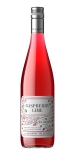
Juicy raspberry flavor upfront, balanced by crisp lime acidity.
Bright, refreshing, and lightly tart with a touch of natural sweetness that keeps it lively and approachable.
Seasonal flavor, fruit wine.