
" We don't sell the wine without touching the vine "
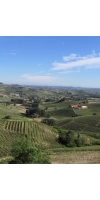
The Giacomo Fenocchio Estate
The Fenocchio estate was founded in 1864. For over five generations, with its twelve hectares (thirty acres) of vineyards in the heart of the Barolo production zone, it produces and ages important wines, following in the footsteps of traditions handed down from father to son. In the post-war period, new energy was given to the estate’s work by Giacomo Fenocchio, who began to acquire new vineyard land.
Before the Second World War, the wine was sold principally in local markets: either in bulk or in demijohns, Larger ambitions began only in the early 1960’s, with an eye to foreign markets as well.
Today the sons of Giacomo Fenocchio – Claudio, Albino, and Alberto – export close to eighty per cent of their production, thereby creating a name and reputation for the family and a territory as well as for their wines.
The Giacomo Fenocchio Vineyard
All of the Fenocchio wines are made from the grapes of the estate’s proprietary vineyards located in three different townships: the Bussia in Monforte d’Alba; Villero sub-zone of Castiglione Falletto; and Cannubi in Barolo. All are “grand cru” vineyards and have always been recognized as such for the special microclimates which give them the potential to produce wines of exceptional character and personality and an aristocratic structure. The different characteristics of the soil and, in particular, of the sub-soils of these three subzones give wines which are notably different from one another. The microclimates and the excellent exposures (southeast and southwest) create highly favorable conditions for the ripening of the grapes and create as well special bio-chemical characteristics which produce the outstanding aromas and flavors of the wines made from these grapes.
BUSSIA IN MONFORTE D’ALBA
The soils are of Helvetian origin: compact clay and limestone marls along with tuff in Bussia di Monforte.
CASTIGLIONE FALLETTO – THE VILLERO VINEYARD
Approximately twelve kilometers (seven miles) from Alba, the town of Castiglione Falletto dominates the hillside ridge which runs through the central part of the Barolo appellation. Soils are of Helvetian origin with clay and limestone deposits rich in iron.
THE CANNUBI SUB-ZONE OF BAROLO
Historically eminent among the vineyards and sub-zones with the highest potential for fine Barolo: the oldest bottle of the Langhe district is conserved in the city of Bra and bears the inscription “Cannubi 1752”: the Cannubi name has always been a seal of honor and a true, universally recognized guarantee. Soils are of Tortonian origin, marls and tuff together with a significant presence of sand in the Cannubi vineyard in the township of Barolo, which maintains a soft and dry texture in the soil.
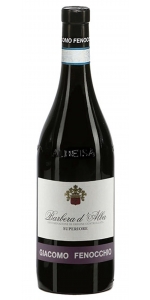
Fenocchio DOC Barbera d'Alba Superiore Bussia is made from 100 percent Barbera.
The color is a deep ruby red with garnet reflections. It has a rather intense bouquet, with scents typical of the vine and a full bodied and dry flavor, with a distinct and pleasing acidity. It becomes mature with aging, acquiring a full and balanced flavor.
Parcel is 2.5 hectares (6.2 acres) planted at 300 meters above sea level.
It pairs well with red and white meats, tagliatelle pasta and cheeses.
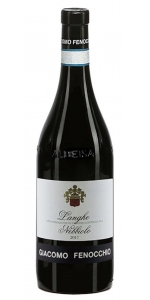
Fenocchio DOC Nebbiolo Langhe Bussia is made from 100 percent Nebbiolo.
The color is a deep ruby red with garnet reflections and an intense and fruity bouquet of plum and cherry. The flavor is dry with good body, well balanced tannins and harmonious with hints of licorice and rose.
Parcel is 2 hectares (5 acres) planted at 300 meters above sea level.
Pairing well with all types of food, from appetizers to cheeses with red and white meat.
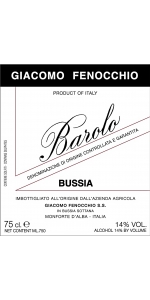
Fenocchio DOCG Bussia Barolo is made from 100 percent Nebbiolo
The color is deep garnet red and the bouquet is fine and pleasing, with intense scents of spiced rose and licorice. The flavor is dry, warm, full bodied and balanced with pronounced tannins and a persistent aftertaste. A wine particularly adapted for aging.
Traditional method of long maceration: natural fermentation without added yeasts for 30 days in stainless steel tanks.
The Barolo Bussia, with its structure and body characteristics, pairs well with dishes of meat, game and aged cheeses, typical dishes of the local cuisine, as well as with many rich international dishes.
Review:
" Pleasant dried-cherry aromas, colored with nutty spice and dried leaves. Full-to medium-bodied with fine, firm and velvety tannins and a long finish of candied-cherry and chocolate. Give it a few years to meld together better. Best from 2025."
- James Suckling (January 2022), 93 pts
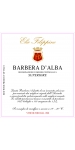
Filippino Elio Barbera d'Alba Superiore is made from 100% Barbera.
This 100% Barbera shows an intense fruity bouquet with subtle vanilla and toasty notes. Full and spicy flavors, and a good body.
The grapes are pressed and the stalks are removed. The must ferments at about 26°C for 6-9 days. After racking, before the end of fermentation, the new wine is put in 225 liter Allier barriques for long months, depending on the vintage and the wine’s structure. It is subsequently moved into stainless steel vats to rest for some months before bottling.
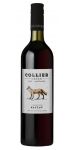
Collier Creek Crafty Fox Merlot is made from 93% Merlot and 7% Teroldego.
Nestled in the heart of the Lodi Appellation, where farmland ran as far as the eye could see, Collier Creek is a place that reminds us of simpler times. Make like a Crafty Fox and fill your den with Merlot that digs into notes of dark fruit and vanilla with a velvet mouthfeel and dry finish.
RS: 3 g/L
TA: 5.5 g/L
Pair with grilled tri-tip, veal scallopini, burger w/ gorgonzola & caramelized onions, classic baked lasagna.



