" We don't sell the wine without touching the vine "
| Country: | United States |
| Regions: | California California (Lodi) |
| Winery: | Grace Town |
| Grape Type: | Zinfandel |
| Vintage: | 2018 |
| Bottle Size: | 750 ml |

Grace Town Old Vine Zinfandel Lodi is amde from 98% Old VIne Zinfandel + 2% Cabernet Sauvignon.
Ruby red in color, with red fruit, raspberry, and spice on the nose. This wine is medium in body, with notes of ripe cherry, cedar box, cinnamon, anise, black pepper, and hint of smoke on the palate. It has a long, silky finish.

Dominus Napa Valley Red Blend is made from 88% Cabernet Sauvignon, 7% Cabernet Franc, 5% Petit Verdot.
The historic Napanook Vineyard, a 124-acre site west of Yountville, was planted in 1838. This vineyard was the source of fruit for some of the finest Napa Valley wines. Estate-bottled in the spirit of the Bordeaux châteaux, Dominus Estate is dry-farmed to allow natural stress and good concentration of fruit. Grape clusters are crop-thinned to allow sun and air to pass in between, helping to achieve full maturation and soften the tannins. Only 20% to 40% new French oak barrels are used in order to limit the extraction of oak notes. To express the unique terroir, the classic Bordeaux grape varietals of Cabernet Sauvignon, Merlot, Cabernet Franc and Petit Verdot are planted with different root stocks best suited for the varying soil composition of gravel, heavy clay and loam.
Reviews:
One of the legendary Dominus, the 2021 Cabernet Sauvignon is unquestionably in the same league as the 2018, 2016, 2015, 2013, 2010, and 1991, and to my mind, wine simply doesn't get any better. Sporting a dense purple hue as well as an incredible perfume of blackcurrants, crushed stone, cedar pencil, smoke tobacco, and baking spices, it s rich, full-bodied, and voluptuously textured, with ripe yet building tannins. It reminds me slightly of the 2010 (maybe the 2013), and I suspect it will have a similar evolution. Hide bottles for 7-8 years, and it will evolve gracefully for 30+ years. Hats off to the team of Christian Moueix and director Tod Mostero.
Jeb Dunnuck 100 Points

Mascot is a small-production label founded by Will Harlan in Napa Valley. The wines under this label are made from the younger vines of Harlan Estate, BOND, and Promontory, but The Mascot bottles share an exclusive preview at the development of their estates. Founded as an initial experiment to see what the young vines were capable of producing, the wines were initially only shared with close friends and family. By 2008, Will officially released the first vintage to the public since production had increased significantly. They create just one wine made from Cabernet Sauvignon, and the bottle is aged for five years before release. Assembled into a single, youthful expression, this wine shares a glimpse into the evolution and pedigree of its parent estates.
Tasting Notes:
Following a vintage full of changing conditions and demanding decision points, the steady and pleasant progress of the 2018 vintage left our team, at times, in limbo. Contradictory as it may seem, the dramas that sometimes punctuate the definitive months for the growing season help to frame the winegrowing team’s course of action; yet the tranquil succession of weeks that emerged between spring and fall in 2018 left almost entirely open the question of when to harvest. Healthy rainfall in March and April preceded a benevolent summer, whose mildness was interrupted only briefly by a few warming periods. The fruit of the young vines maintained a measured balance that gave the team little indication that harvest was imminent. Fog and temperate days followed in September, when—relying more on instinct than empirical cues—we began to pick. This judgment—as well as the gentle nature of the season—is confirmed in the subtle, ethereal power of the vintage, which reveals itself first in the deep, brooding aromas of dark fruit, black tea, and herbal notes. The texture expands around a lifted structure, as powdery tannins gently resolve. This diffused, enigmatic softness is anchored on the mid-palate by a gratifying density, which prepares the senses for a flourish of hidden energy and vivid detail that illuminates the finish.

Avennia Red Willow Cabernet Sauvignon is made from 100% Cabernet Sauvignon.
The Red Willow Cabernet is a true blockbuster.
Coming from one specific block of 30 year old vines at this iconic vineyard, then strictly barrel selected, this is the essence of powerful, old vine Washington Cabernet. After all of our efforts promoting the idea of the Bordeaux blend, it would take a pretty compelling argument to suspend that idea and make a 100% varietal Cabernet. In 2016 Red Willow provided us with just that. Each time we tasted it in the barrel, the belief grew that this was something special. Something we can't make every year. In the end we were won over, and decided to make a limited amount of this wine. But don't be fooled, as this too is a blend and a selection. Each year as we are tasting the grapes as harvest approaches, we notice that the vines near the bottom of this long, steep west-facing slope, are a little different. The vines at the bottom are in a little richer soil, and get a little more water, so we pick them separately, sometimes even a week or ten days apart, and keep them separate in barrel.
This wine is all from the top of the vineyard, with its lower yield and poorer soils giving more concentration and interest. Then further, nearly every combination of new and used French oak barrels were trialed to find the best blend. It's not enough just to use the four best barrels, but to trial each combination to see how they complement each other. For a wine with this much mass, 100% new French oak was used for the first time at Avennia. It is a wine that needs a little cellaring to start, but should last a very long time.
Review:
-Jeb Dunnuck 96 Points

Avennia Valery Red Blend is made from 86% Merlot and 14% Cabernet Franc
Valery is named for the patron saint of wine in the St. Emilion region that inspired it.
We started with old vine Merlot from a stony block in the heart of the Yakima Valley and added complex, aromatic Cabernet Franc from the Horse Heaven Hills. The result is a balanced, complex wine with the elegance and ethereal perfume that this blend of two of Washington’s best varietals are known for.
The nose on this wine is very perfumed, almost exotic with notes of fresh violets, red plum, winter mint, fresh herbs and crushed limestone qualities. The palate is poised and balanced, with red fruits and mocha powder encapsulated in limestone. The finish lingers delicately, with the Cabernet Franc asserting a light tobacco and herb note, giving depth. A compelling wine that will continue to unwind for 7-10 years in the cellar.
Review:
-Jeb Dunnuck 93 Points
-Robert Parker's Wine Advocate 92 Points
-Wine Enthusiast 91 Points
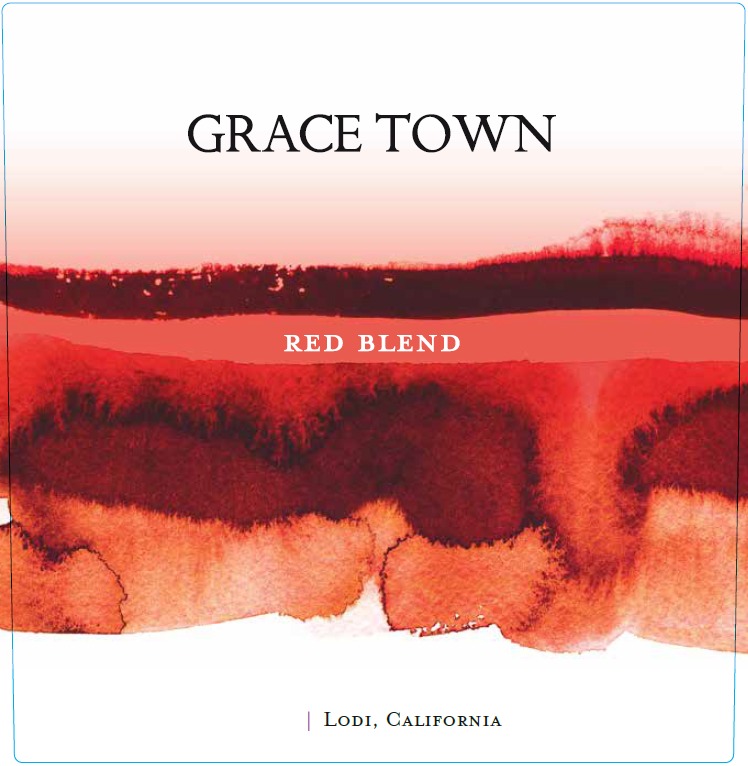
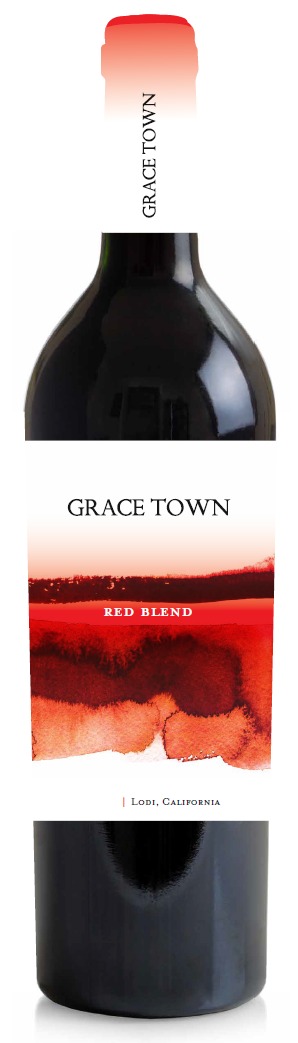
Grace Town Red Blend is made from 49% Zinfandel, 37% Merlot, 14% Petite Sirah
Historically, Lodi vineyards were developed in the fine sandy soils surrounding the community of Lodi. The area is noted for producing uniform and balanced vineyards that deliver fruit-driven wines with a rich silky texture.
Grace Town Red Blend is a harmonious fusion of three grape types: Zinfandel, Merlot & Petite Sirah. Hints of clove and vanilla on the nose combine with a background hint of cinnamon, and the fruity flavors remind you of Christmas. Smooth and fruit-forward.
Pair with light fare, such as a mixed green salad or a toasted flatbread. Best served with a slight chill.
Grace Town is a special project by Fran Kysela and Kysela Pere et Fils, highlighting impressive terroirs and fruit-driven wines. The project currently features a Chardonnay from Australia’s famed Margaret River, and three red selections – Zinfandel, Petite Sirah and a Red Blend – from the diverse Lodi region.

Pioneiro Red Wine Vinho Regional Peninsula de Setubal is made from 60% Castelao (also known as Periquita), 30% Aragones and 10% Syrah
Aged 5 months in French oak barrels
The story of this wines begun more than a century ago, with the pioneering dream of Venâncio da Costa Lima: to bring good wines to every corner of Portugal. Pioneiro wine brand was created to pay homage to his vision.
What's Unique? Pioneiro (meaning “pioneer” in Portuguese) wine vintage style label pay homage to the founder’s dream, dating back to 1914. But in a relaxed, casual way, typical of this wine producer mood.
Intense garnet color, complex nose with touches of ripe fruit, jam and spices, full-bodied flavor and a very balanced finish.
Castelao: as the most widely-grown red grape variety in Portugal it is still often referred to in Portuguese as "Periquita" or "Joao de Santarem", although that name is legally owned by José Maria da Fonseca in the Setúbal Peninsula outside of Lisbon. It is highly adaptable to different climatic conditions and its remarkable versatility enables winemakers to make a range of wines – from the easy drinking and quaffable reds and rosados to the powerful and intense reds perfectly suited to lengthy cellaring. Castelão comes into its own and is most expressive in the Sétubal Peninsula, where it makes meaty and intense wines with aromas of red berries and blue flowers that marry well with the deft use of oak.
Made from 15 year old vines planted on sandy soils.
Classic vinification at controlled temperature (25 °C) with prolonged maceration for phenolic extraction. Wine went through malolactic fermentation.
It was aged 5 months in French Oak barrels.
Wine was slightly filtered before bottling to avoid sedimentation in the bottle and to ensure stability.
Pasta, Cheese, red meat and game.

Mordoree La Remise Rouge Sulfite Free is made from 40% Marselan (Marselan is a cross between Cabernet Sauvignon and Grenache), 40% Merlot, 20% Grenache
Color : deep red
Aromas : red fruits and black fruits (blueberry, blackcurrant) and flowers (violet, peony).
Palate : nice mouth feel, nice freshness
Drink within 3 to 5 years.
With its exceptional resistance to oxidation (due to Marselan) this wine will remain pleasant for a long time after opening the bottle.
Surface : 2 Ha.
Yield : 50 Hl./Ha.
Vineyard age: 15 Years
Terroir : clay and sandy
Harvest : by hand
Vinification : 100% destemmed, 20 days maceration with a maximum of 28°C temperature. Estate bottled.
No Sulfites.
Red meats with sauce, grilled meats, charcuterie, and cheeses.

Antica Vigna Amarone della Valpolicella Riserva is made from 65% Corvina, 20% Rondinella, 10% Corvinone, 5% Merlot.
Amarone DOCG has maintained unchanged its typicality, so that “the essence of the territory” of Valle di Mezzane and Cazzano di Tramigna powerfully emerges. Rich in color, firmly structured but with fresh notes.
WINEMAKING AND AGING:
Manual harvest early October with selection of the best bunches.
Drying: natural drying in fruit cellar for 3/4 months with a sharp drop in weight of around 30%.
Vinification: soft crushing of destemmed grapes in the months of January and February.
Fermentation: at a controlled temperature of 18/21°C. Fermentation time: about 30 days
Aging:· 80% in oak barrels for 30 months of which 2/3 in American and French barriques, half of which are used for the second and third time, 1/3 in large
THE TERRITORY:
Geographical location: Tenuta di Mezzane, Tenuta di Cazzano di Tramigna
Height: 350/400 meters asl
Exposure: south
Soil type: limestone
Vineyard training system: guyot and pergola
Vine planting year: from 1972 to 2009
Vine density: 4,000 to 5,400 vines per hectare Vineyard management: sustainable agriculture and great attention to natural
cycles
Pairs well with grilled and roasted meats, as well as cheese.
Timeless Notes:
Dark cherry in color, firm on the palate with a vibrant acidity underbelly. Thought lush on the palate the flavors are complex and elegant from entry to mid-palate with hints of currant and wild berries. The finish brings in a touch of tobacco and leather notes ,classic examples of this region, with more ripe fruit flavors that linger on long strain tannin finish. Complex with depth and elegance on the palate. This one is drinking now, but can handle more time in the cellar with ease. An excellent value in the Riserva category.
Grace Town Old Vine Zinfandel Lodi is amde from 98% Old VIne Zinfandel + 2% Cabernet Sauvignon.
Ruby red in color, with red fruit, raspberry, and spice on the nose. This wine is medium in body, with notes of ripe cherry, cedar box, cinnamon, anise, black pepper, and hint of smoke on the palate. It has a long, silky finish.

Named Decanter Magazine's Top Wine released in 2013
Intense, bright cherry red. Aromatic and complex, with notes of tobacco, cedar, and leather against a background of ripe fruit, jam and spices. Powerful yet velvety, with flavors of rich red fruit, licorice, and minerals and smooth, ripe tannins.Excellent with roasted lamb, duck, pork, and beef. A great accompaniment to ham croquettes, hard cheeses, and sautéed vegetables.
Reviews:
(85% Tempranillo, 10% Graciano, 5% Mazuelo) Deep ruby color; mushroom and rich, ripe and intense plum, black cherry and spice, tobacco, leather. Great acidity, crushed flowers, super long finish.
-Tasting Panel 98 Points
Deliciously decadent, with extraordinary vitality on the palate and a long, unique finish. A jewel at this price. I have this wine full marks - it was perfect. I cannot think of any other wine, in this price range, that provides so much complexity, elegance, style, classicism and length.
-Decanter 97 Points

Grand Veneur Chateauneuf du Pape Blanc Le Miocene is made from 60% Clairette, 40% Roussanne
Pale yellow colour with hints of green, aromas of white flowers (may blossom, honeysuckle).
The palate is pleasantly balanced between liveliness and roundness, which brings out characteristics of dried apricot, honey and elderberry. A Châteauneuf du Pape white displaying a great finesse.
Best between 1 and 8 years.
Soil type Coming from the single vineyard named “La Fontaine”, the plot is facing north.It is made of clay-sand and limestone. Thanks to the northern orientation, it is always very well aired. This sector allow the Roussane and Clairette to mature in great conditions without losing freshness, which we believe is key point. Winemaking & ageing Whole-bunch pressing. Vinification in stainless-steel tanks. Fermentation temperature controlled at 15°C.
Review:
-Nicolas Greinacher (Vinous) 92 Points