
" We don't sell the wine without touching the vine "

Hertelendy wines represent our Old World family tradition over many centuries, from 18th-century Veltlínske zelené (Grüner Veltliner) and Rizling vlašský (Welschriesling) vineyards near Budatin Castle in Slovakia to Hungarian wines produced by our ancestral Great Uncle Gábor Hertelendy (below). He created two varietals in his basalt-mountain vineyards overlooking Lake Balaton: Szürkebarát (better known as Pinot Gris) and Kéknyelű (a rare Hungarian white wine grape only found in the Badacsony wine region). Unlike the majority of common grape varieties used in viticulture, Kéknyelű cannot self-pollinate. Kéknyelű is rare today because it requires both male and female specimens for pollination, so it occupies double the space to reap half the yield.
Great Uncle Gabor’s manor was half-way up an extinct volcano on the north shore of Lake Balaton where his wine profited from the rich soils resulting from the very hard (volcanic) basalt rock. Gabor sold all his white wine to the Badacsony cooperative, so bottles never adorned his Hertelendy name. He only allocated two acres to wine production, and family members from Budapest would all volunteer to assist with the harvest. Gabor et al continued producing wine even after the confiscation of his land by the Communists, who allowed him to stay and work on his former land as a hired hand.
Today, Hertelendy family traditions have been reborn in the New World with quality vintage selections from the Napa Valley to bridge both sides of the Atlantic. It is also unique that regardless of where Hertelendys make wine, volcanic soil within their respective terroir has always been a staple in Hertelendy winemaking throughout generations.
Hertelendy Vineyards sources its fruit, not just from our 4+ acre mountainside 1365 ft elevation “Rockwell Ridge” estate vineyard (35 ft below the Howell Mountain AVA demarcation line) planted in 1993, but also from ultra premium vineyards around the Napa Valley including areas like Oakville, Atlas Peak, Pritchard Hill, Silverado Bench, Coombsville, and the Russian River Valley for our Chardonnay. The majority of Hertelendy’s red vitis vinifera grapes come from tuffaceous rocky soil that is located on the steep, western facing Vaca Mountain slope (with Oakville being the exception). These slopes have volcanic ash, red clay, and granite-like sub soil, getting the best of both worlds: mountainside structure and rich flavors from the valley floor. These hillside locations, blessed with low fertility soil, consistently produce wines of unusual intensity and concentration. The rocky terrain provides excellent drainage and naturally stresses the vines, producing wines of character, complexity, and elegance.
No products found
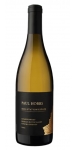
Colored in pearlescent pale straw tones flecked with gold, our 2022 chardonnay from Russian River Valley’s cool Green Valley opens with a refreshing swirl of clover and fresh-cut alfalfa laced with spring blossoms around hints of white peach and citrus that open to crisp Fuji apple and warm baking spice. Apple notes carry through in the mouth over complex layers of crème caramel and butterscotch, all lifted with the bright energy of juicy acidity and savory oyster shell minerality. The rich, structured finish is touched with sea salt—the briny tension in elegant balance with a touch of new oak.
Green tint to the light yellow color. A very tight 2022 for this hot vintage, showing tension and focus. Medium- to full-bodied with super integrated tannins that show such length and intensity. It gives a beautiful nod to grand cru Burgundies of yesteryear. Love this. Drink or hold.
-James Suckling 97 Points
Technically from Green Valley of the Russian River Valley, the 2022 Chardonnay Ross Station Estate is a bright yellow green hue and comes from the Hudson Vineyard, which sits on pure Goldridge soils and includes some of the later ripening Calera clones. Aged 18 months in barrel, the wine has a Grand Cru-like richness and layered depth. In the glass, it shows off a wonderful bouquet of candied apple, honeysuckle, lemon oils, and almond. The palate is rounded, with a silky texture and great acidity that propels it through the palate to its long finish with notes of almond. This is an exceptional wine to drink over the next 10-12 years. 460 cases were produced. Drink: 2024-2036.
-Jeb Dunnuck 97 Points
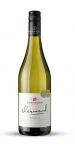
Sherwood Estate Riesling is made from 100 percent Riesling.
A Riesling that captures the true essence of a Waipara Valley aromatic wine. Full flavoured with delicate fruit and floral elements balanced with a smooth mouthfeel and subtle sweetness.
Grown on our Waipara Valley vineyards the grapes were harvested over a period of two weeks at varying degrees of ripeness allowing for a range of fruit flavours and complexity. This shows in the final wine with great depth of flavour throughout the palate with well-balanced acidity leaving you wanting more.
12%
Fresh seafood, cheese dishes and spicy food.



