
" We don't sell the wine without touching the vine "
| Regions: | California California (Napa) |
| Grape Type: | Cabernet Sauvignon |
| Vintage: | 2017 |
| Bottle Size: | 750 ml |
Joseph Phelps Vineyards Cabernet Sauvignon is made from 94% Cabernet Sauvignon, 3% Cabernet Franc, 2% Merlot, 1% Malbec.
A classic Napa Valley Cabernet Sauvignon with inviting violet, dark fruit, tobacco, subtle baking spice and earthy dried herb aromatics. The palate is filled with expressive black cherry, blackberry and dark plum, hints of spice box and sweet vanilla bean. A focused, concentrated wine with youthful energy and freshness nimbly balanced by supple tannin structure and finesse.
Review:
This wine is lovely in juicy red fruit, dried herb and hints of allspice, the tannin structure firm and giving. Offering refinement and structure, it shows nuances of black currant, cherry and toasted oak. This will do well in the cellar.
Wine Enthusiast Cellar Selection 94 Points
Joseph Phelps Insignia is made of 93% Cabernet Sauvignon, 5% Petit Verdot and 2% Malbec.
The 2019 Insignia opens with heady aromatics of red fruit, crème de cassis, leafy tobacco and delicate dried rose petals. The palate is juicy and dense with expressive layers of blackberry, raspberry, black currant, and dark chocolate. A dynamic wine offering captivating energy, length, complexity and refinement. The 2019 Insignia marks the first vintage to include fruit from the new Joseph Phelps vineyard named El Venadito, located in the Oak Knoll District, just south of the winery’s Yountville Vineyard.
Review:
Another beautiful wine from this team, the 2019 Insignia is mostly Cabernet Sauvignon but includes smaller amounts of Merlot and Malbec, brought up all in new barrels, sourced from seven estate vineyards. It has a classic varietal and incredibly complex nose of crème de cassis, freshly sharpened pencils, green tobacco, and damp earth, with a kiss of background sappy spring flowers. Seemingly from a cooler year with its freshness, vibrancy, and herbal, floral character on the nose, it's nevertheless full-bodied and beautifully concentrated on the palate, with ultra-fine tannins, a seamless, layered mouthfeel, and a gorgeous finish. Unquestionably up with the finest vintages of this cuvée, this is legit awesome juice that’s going to offer incredible pleasure over the coming 20-25 years. Hats off to winemaker Ashley Hepworth.
- Jeb Dunnuck 99 Points
Clif Lede Cabernet Sauvignon Stags Leap is made from 82% Cabernet Sauvignon, 8% Merlot, 7% Cabernet Franc, 3% Petit Verdot.
Our Stags Leap District and Calistoga estate vineyards build the foundation of this wine with support from valued grower sites located in Oakville, Rutherford, and Howell Mountain. Composed of small batches from a variety of blocks of varying age, this wine represents a diverse range of carefully selected rootstocks and clones. Yields are maintained at sparse levels, with a focus on canopy management and vine balance. The resulting blend boasts a remarkable depth and complexity that is quintessential Napa Valley.
Grapes were picked in the darkness of the early morning hours. The freshly-harvested fruit immediately underwent rigorous selection by our three-tiered sorting process, which included our cutting-edge optical sorter. Whole berries were gently delivered by gravity to tank using our crane system, minimizing disruption of berry integrity. Cold soaks lasted approximately seven days, and fermentations were managed via a combination of délestage, pumpovers, and punchdowns. Extended maceration ranging from four to five weeks fine-tuned our tannin profiles, allowing us to perfect mouth feel and wine complexity. The wine was aged in French oak barrels, 48% of which were new, for twenty-one months.
Elegantly soft and lithe the 2021 coaxes the taster with warm dark chocolate and luscious black cherry aromas. More graphite, chocolate cake, crushed mulberries, and iron notes leap from the glass. The entry is filled with dark fruit flavors of cassis, blackberry, and blue berries and they’re all tinged with floral notes of jasmine and violets. The polished tannins along the finish feel Cashmere-like and beg the taster for another sip. – Christopher Tynan, Director of Winemaking
Review:
So silky and drinkable at the first sip, this well-concentrated wine feels tight and restrained with more tastes, holding its trove of black fruits, cedar, cinnamon and dark chocolate in a rich blanket of extra-fine tannins. Its complexity, layering and lingering finish are something special.
-Wine Enthusiast 94 Points
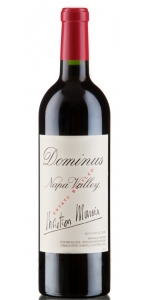
Dominus Napa Valley Christian Moueix Red Blend is made from 87% Cabernet Sauvignon, 9% Cabernet Franc, 4% Petit Verdot.
Dominus Estate is the Napa Valley property of Bordeaux producer Christian Moueix. The wine is bottled from the historic Napanook Vineyard. Located at the foothills of the Mayacamas, the vineyard was planted in 1838 and continues to evolve under the stewardship of Christian Moueix. The estate's Bordeaux varietals benefit from the Yountville microclimate where temperatures are moderated by cool breezes from the San Pablo Bay. The resulting wine is a uniquely refined expression of this special terroir. The 2023 vintage is seductive and deep with notes of cedar, oriental spices, wild berry, and cocoa, followed by a finely etched finish.
Reviews:
Black currant, pencil shaving, subtle sandalwood, wet earth, forest floor and violet aromas follow through to a medium- to full-bodied palate with ultra-fine tannins that integrate perfectly at the end. A polished and caressing texture that goes on for minutes. The balance and drinkability of this Dominus is terrific, and it will age beautifully. A blend of 87% cabernet sauvignon, 9% cabernet franc and 4% petit verdot. From organically grown grapes. Very drinkable now, but will age beautifully.
James Suckling 99 Points
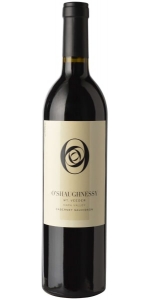
O'Shaughnessy Estate Napa Valley Cabernet Sauvignon is made from 89% Cabernet Sauvignon, 3% Malbec, 3% Petit Verdot, 3% St. Macaire, 1% Cabernet Franc, and 1% Carmenère.
Blended from our three Estate vineyards in arguably the three best appellations within the Napa Valley: Howell Mountain, Mt. Veeder and Oakville. Howell Mountain gives us structure and ripe red fruit, while Mt. Veeder adds an extra punch of tannins along with savory mineral driven qualities, Oakville balances out the mountains with its silky texture and pure fruit. This Cabernet is deep ruby red with an opaque center. Bold aromas of aged leather, black currant, and rum raisin, creating a layered and complex bouquet. A luxuriously sweet and rich entry, unfolding with ripe blackberry and velvety cocoa powder. The texture is smooth yet structured, balanced by moderate tannins and a medium level of acidity, leading to a long, elegant finish.
Review:
Based on 89% Cabernet Sauvignon, 3% Malbec, 3% Petit Verdot, 3% St. Macaire, 1% Cabernet Franc, and 1% Carmenère and aged two years in French oak (60% new, 40% second year), the 2022 Cabernet Sauvignon offers blackcurrants, scorched earth, iron, sappy herbs, and tobacco. It's rich and medium to full-bodied, nicely concentrated, and has a layered, textured mouthfeel, ripe underlying tannins, and outstanding length. I slightly prefer the overall structure and balance here to the Mt. Veeder bottling, but both are successful 2022s with 10-12 years of longevity.
-Jeb Dunnuck 93 Points
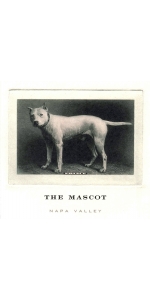
Mascot is a small-production label founded by Will Harlan in Napa Valley. The wines under this label are made from the younger vines of Harlan Estate, BOND, and Promontory, but The Mascot bottles share an exclusive preview at the development of their estates. Founded as an initial experiment to see what the young vines were capable of producing, the wines were initially only shared with close friends and family. By 2008, Will officially released the first vintage to the public since production had increased significantly. They create just one wine made from Cabernet Sauvignon, and the bottle is aged for five years before release. Assembled into a single, youthful expression, this wine shares a glimpse into the evolution and pedigree of its parent estates.
Tasting Notes:
Following a vintage full of changing conditions and demanding decision points, the steady and pleasant progress of the 2018 vintage left our team, at times, in limbo. Contradictory as it may seem, the dramas that sometimes punctuate the definitive months for the growing season help to frame the winegrowing team’s course of action; yet the tranquil succession of weeks that emerged between spring and fall in 2018 left almost entirely open the question of when to harvest. Healthy rainfall in March and April preceded a benevolent summer, whose mildness was interrupted only briefly by a few warming periods. The fruit of the young vines maintained a measured balance that gave the team little indication that harvest was imminent. Fog and temperate days followed in September, when—relying more on instinct than empirical cues—we began to pick. This judgment—as well as the gentle nature of the season—is confirmed in the subtle, ethereal power of the vintage, which reveals itself first in the deep, brooding aromas of dark fruit, black tea, and herbal notes. The texture expands around a lifted structure, as powdery tannins gently resolve. This diffused, enigmatic softness is anchored on the mid-palate by a gratifying density, which prepares the senses for a flourish of hidden energy and vivid detail that illuminates the finish.
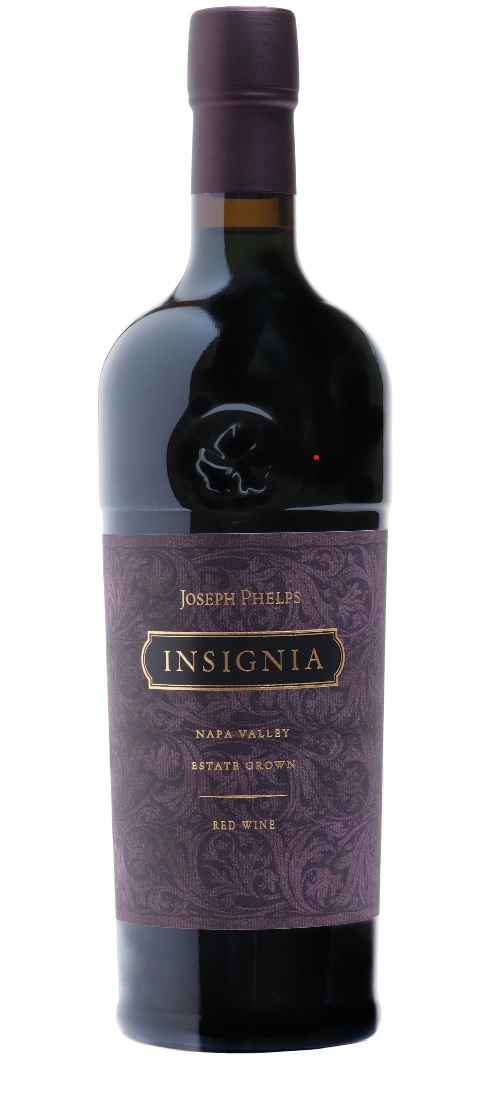
Joseph Phelps Vineyards Insignia Red Estate Grown Napa Valley is made from 94% Cabernet Sauvignon, 4% Malbec and 2% Cabernet Franc.
The rarest offering of Insignia in twenty years, 2017 Insignia opens in the glass with heady aromas of mocha, cedar, roasted espresso, blueberry and ripe plum. Fresh and focused with building layers of black cherry, blackberry preserve, spice box and vanilla essence. Plush, velvety texture and seamless tannins culminate in a lengthy, lingering finish.
Reviews:
This has a real sense of freshness and grip. A pure expression of Cabernet with a shot of eucalyptus and menthol, extremely concentrated but with elegance and power. The tannins just grip on to your palate and don't let go leading to a lovely chewy finish. This is great stuff, with a discernibly finessed style that shows a fine tannic balance magnified through the lens of Californian heat and laced through with cassis, espresso and chocolate block. Great structure, this will take a few decades of ageing in its stride. 100% new oak, from five vineyards around Napa Valley, mainly in Stags Leap and Oak Knoll. -Decanter 96 Points
COMMENTARY: Somewhere in the archives of my early journals are my notes of the 1974 Joseph Phelps—tasted circa 1978. That once-in-a-lifetime wine (Hmm, do I have too many once-in-a-lifetime wines?) was so memorable that I can still recall its taste to this very day. The 2017 vintage puts a smile on my face as it continues this magic carpet ride of a lifetime. TASTING NOTES: This wine is enticing with its aromas of blackcurrants, dust, earth, and a suggestion of oak. Pair its elegance with a well-seasoned oven-baked, rack of lamb. (Tasted: July 14, 2020, San Francisco, CA) -Wilford Wine 97 Points
The 2017 Insignia is a blend of 94% Cabernet Sauvignon, 4% Malbec and 2% Cabernet Franc coming from: 46% Las Rocas vineayrd (Stags Leap District), 22% Barboza vineyard (Stags Leap District), 13% Suscol vineyard (South Napa Valley), 10% Yountville vineyard (Oak Knoll District) and 9% Home Ranch (St. Helena). It was aged for 24 months in 100% new French oak barrels. Deep garnet-purple colored, it comes bounding out of the glass with exuberant scents of Black Forest cake, preserved plums and blueberry pie plus touches of redcurrant jelly, potpourri, clove oil and dark chocolate. Medium to full-bodied, the palate has gained weight from it's in-barrel offering, boasting rich, decadently perfumed black fruit preserves flavors with a racy backbone and velvety tannins, finishing long and spicy. 7,400 cases were made. -Wine Advocate 96 Points
Dr. Loosen Riesling Eiswein is made from 100 percent Riesling.
This vibrant, racy dessert wine conjures flavors of densely packed pear, apple and guava, with an intense, nervy edge in the aroma. It is luscious, silky and juicy on the palate, with bright acidity giving it a crisp, dynamic finish.
Review:
This is extremely rich, yet the acidity keeps it on its toes. The palate is rich, sporting rhubarb and apricot flavors that are laced by hints of earth, coriander seed and honeyed oolong tea. It has an appealing sweet tart character that takes over and is matched by super suave texture. Shows incredible persistence through the long finish. Drink now through 2050.
-Wine Enthusiast 95 Points
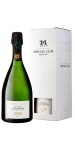
Roland Champion Champagne Special Club Grand Cru is made from Chardonnay.
The 'Special Club' designation is one of the most prestigious in Champagne, reserved exclusively for the finest vintages from member growers of the Club Trésors de Champagne. Each Special Club wine undergoes rigorous peer tasting and must meet exceptional quality standards before receiving the coveted Special Club label.
Roland Champion's Grand Cru Special Club comes from the finest Chardonnay parcels in the Côte des Blancs. Generous aromas of sun-ripened green apple, peach, nougat, and white chocolate layered with fresh lemon and grilled citrus. On the palate, rich and creamy with lively, fine-beaded mousse. Bright notes of grapefruit, lime, and toasted nuts lead to a long, round finish accented by toasted brioche, white flowers, and pronounced chalky minerality. Elegant and structured with excellent aging potential.
A collector's Champagne, perfect for special celebrations or paired with fine cuisine such as lobster, truffle dishes, or aged Comté cheese.



