
" We don't sell the wine without touching the vine "
| Country: | United States |
| Regions: | California California (Lodi) |
| Winery: | Klinker Brick Winery |
| Grape Type: | Zinfandel |
| Vintage: | 2015 |
| Bottle Size: | 750 ml |
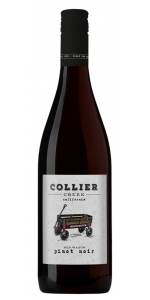
Collier Creek Old Press Zinfandel is made from 93% Zinfandel and 7% Petite Sirah.
Nestled in the heart of the Lodi Appellation, where farmland ran as far as the eye could see, Collier Creek is a place that reminds us of simpler times. The ol' press may look different these days, but this Zinfandel is still a classic with notes of dark fruit, baking spice, vanilla and a velvet mouthfeel.
Pair with blue cheese, bbq pork ribs, leg of lamb.
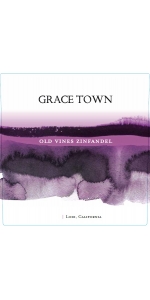
Grace Town Old Vine Zinfandel Lodi is amde from 98% Old VIne Zinfandel + 2% Cabernet Sauvignon.
Ruby red in color, with red fruit, raspberry, and spice on the nose. This wine is medium in body, with notes of ripe cherry, cedar box, cinnamon, anise, black pepper, and hint of smoke on the palate. It has a long, silky finish.
SALE!
Lodi, American Viticulture Area (AVA) – The Lodi AVA is located in the northern end of the San Joaquin Valley, Central Valley California, east of the San Francisco Bay. Lodi has warm days and cool nights, similar to the Mediterranean climate. The lower temperatures that occur in Lodi result in fruit with good acidity. A wide range of soils are found in the Lodi AVA, but they generally are deep, loamy, sandy, rocky soils similar to that found in southern Rhone valley.
The Lodi appellation totals almost one half million acres, and the approximately eight hundred growers farm roughly 90,000 acres. Lodi produces more Cabernet Sauvignon, Chardonnay, Merlot, Sauvignon Blanc, and Zinfandel than any other wine region in California, but it is probably best known for its old vine Zinfandel. The vines are often head trained giving them a classic old world appearance.
Zinfandel – The Zinfandel grape is a hearty variety that produces grapes with high sugar levels, often resulting in wines with a high alcohol content. Thought to be a relative of Primitivo that is found in southeast of Italy (the boot heel), Zinfandel can be made into a wide range of wine styles, including White Zinfandel, light or full bodied red wines, and even late harvest desert style wine. However Zinfandel, especially Old Vine Zinfandel from Lodi, is usually made into a full bodied, spicy red wine with characteristics of red fruit, raspberry, and cherry.
Produced in the heart of Lodi AVA.
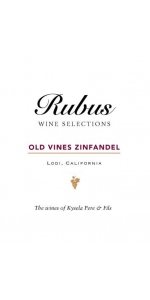
Rubus Zinfandel Lodi is made from 98% Zinfandel + 2% Cabernet Sauvignon
Bottled after aging in French and American oak for 9 months.
Rubus Zinfandel Lodi presents with ruby red in color, with red fruit, raspberry, and spice on the nose. This wine is medium in body, with notes of ripe cherry, cedar box, cinnamon, anise, black pepper, and hint of smoke on the palate. It has a long, silky finish.
Selected by Fran Kysela MS.
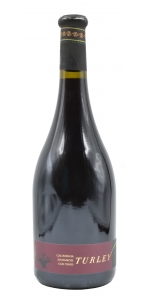
The sage, autumnal older sister to the spring verve of the Juvenile, Old Vines encompasses everything we stand for at Turley. Teeming with dark berries, currants, baking spices, earth, and a sprinkle of petrichor on the nose. The palate is brooding yet supple, serious yet satisfying. Inherently embodies the depth, complexity, and grace that can only come from old vines.
Review:
As with the Juvenile bottling, the 2022 Zinfandel Old Vines punches above its weight in this vintage. The nose is considerably deeper, fuller and more polished, opening with aromas of crushed plums, wild berry preserves, tobacco leaves and similar autumnal accents to its younger sibling. The palate is light- to medium-bodied, carrying through the polished quality of the nose and melds it with a subtly dusty tannin structure and bright acidity. The finish is straightforward and easy to drink, offering generous layers of fruit, spice and floral notes.
- Robert Parker's Wine Advocate 92 Points
A gutsy little red, with intense yet zesty flavors of raspberry, cranberry, savory anise and black pepper that finish with briary tannins.
Wine Spectator 92 Points
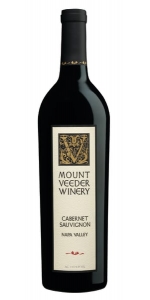
Mount Veeder Winery Cabernet Sauvignon is made from 85% Cabernet Sauvignon, 12% Merlot, 2% Malbec, 1% Cabernet Franc.
The Mount Veeder Winery Cabernet Sauvignon is a deep ruby color. Aromas of black plum, blackberry, fig and ripe cherry, framed by toasted oak and caramel. A hint of dried herb and floral notes. The concentrated fruit flavors and integrated tannins introduce a rich, full-body structure. Sweet fruit is balanced with acidity and savory notes of leather and wet stone, ending with a lengthy finish of dark berry, baking spice, and mocha.
Crafted in celebration of our 50th anniversary, the 2023 Mount Veeder Winery Napa Valley Cabernet Sauvignon is thoughtfully sourced from premier vineyards across Napa Valley, including fruit from our mountain estate. Complex without being cumbersome, this wine has successfully captured the characteristics of the growing season with its intense aromatics and lively acidity.
This vintage reflects our good fortune in working with growers who share our commitment to quality, and we look forward to strengthening these relationships to ensure consistently exceptional wines year after year. Our final blend includes a portion (11%) hailing from our Mount Veeder vineyards, helping link the Napa Valley bottling to the storied past of Mount Veeder Winery.
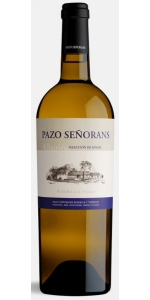
Pazo de Senorans Seleccion de Anada Albarino is made from 100 percent Albarino.
Straw yellow with greenish tints, vivid and brilliant. High intensity and very expressive. Profusion of aromas with traces of mineral. Great volume and ample body leaving a lasting impression from beginning to end.
Reviews:
The 2015 Albariño Selección de Añada is nothing short of phenomenal. For some reason, I hadn't tasted the young 2015 Albariño at the time it was released. It comes from the Los Bancales vineyard planted some 50 years ago and fermented with indigenous yeasts but without malolactic fermentation. It has a bright, almost fluorescent color and a complex, subtle and nuanced, elegant and expressive nose, with notes of sea shells and sea breeze, grass and white flowers. It's very clean, and the palate shows great balance and even feels a bit young. It has remarkable acidity and freshness (seven grams of tartaric acid) with good ripeness and 13% alcohol. This matured in tank with lees for over 30 months and was bottled in June 2024. It feels more serious and less exotic than earlier vintages. 18,000 bottles produced. This is the finest vintage that I can remember. Bravo!
-Wine Advocate 97 Points
Tech:
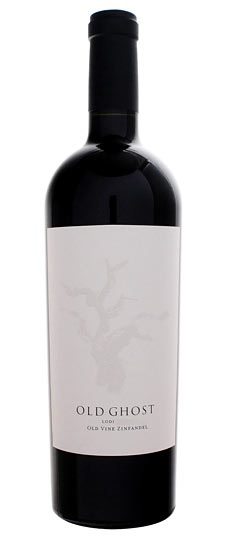
Klinker Brick Winery Zinfandel Old Ghost made from 100 percent Zinfandel.
The Old Ghost represents the best Zinfandel that Klinker Brick produces each year. Brambleberry fruit aromas intermingled with anise, clove and exotic spice, echo previous vintages. Smaller berries harvested from this vineyard block tend to offer more “skin to flesh,” providing a greater level of smooth yet firm tannin and structure to this wine. Pair with your prime porterhouse or grilled lamb.
Appellation: Lodi (Mokelumne River)
Varietal: Old Vine Zinfandel
Brix: 27
Residual Sugar: .33
Alcohol 15.9%
PH 3.71
TA .66
Review:
Ripe fruit flavors, a firm texture and generous spicy oak make this full-bodied wine a winner. The color is deep and dark, while the bouquet emphasizes blackberry and blueberry aromas that segue to a palate of baking spices and concentrated berries. -Wine Enthusiast 91 Points
Ripe and broad-shouldered, with perky baked cherry, smoked licorice and spice flavors. Drink now through 2022. 5,000 cases made. - Wine Spectator 90 Points
The Klinker Brick Winery Estate
Steve and Lori Felten, fifth generation grape growers in the Lodi region, continue the tradition of cultivating “Old Vine” Zinfandel vineyards that their ancestors planted in the early 1900’s.
With roots in Germany, Russia and later the Dakotas, the family settled in Lodi, first producing watermelons. Recognizing that the soil and climate were ideal for growing grapes, they began to plant varieties that included Zinfandel, Tokay, Carignane, and Alicante. For over one hundred years, the family has cultivated the land with the aim of producing top quality fruit. Zinfandel was one of the first grape varieties to be planted in the Lodi appellation, although it had also been established in other parts of the California.
In 1996, the family began to produce Zinfandel for the bulk wine market, selling wine to a number of prestigious, benchmark producers of Zinfandel in Napa and Sonoma Counties.
In 2000, Steve and Lori made the decision to start their own winery with the mission to produce exceptional Zinfandel. They continue to make wine from all of the vineyard blocks, culling only the very best lots for bottling Klinker Brick and designated vineyard wines. They produced their first Syrah in 2001. They have one goal…to produce world-class wine.
Klinker Bricks are highly prized bricks that grace many of the historical buildings in Lodi, including the owner's home. Chosen by Craftsmen architects in the 1920’s for their distinctive qualities, including unique shapes and dark, rich color, these bricks are “heavier” than regular bricks
“Klinker” refers to the sound that they would make when banged together, because of their increased weight. Rich, deep color, enormous density, unique and distinctive are the same qualities found in their old vine Zinfandel.
The Klinker Brick Winery Vineyard
The Felten Family own and manage fifteen individual vineyard blocks of “Old Vine” Zinfandel that range in age from 35 to 110 years old. Each vineyard is planted in sandy loam soils along the Lodi Mokelumne River Region and up into the Clements Foothills.
These vineyards are generally head-trained and dry farmed, yielding an average of 2.0 to 3.5 ton per acre. Some of the oldest vineyards have yields as small as .25 ton per acre. While there are significant limitations in the quantity of grapes produced, the quality of fruit is exceptional.
The grapes come from several different vineyards within the Lodi Appellation, depending upon the highest quality of fruit produced each year, and has included several vineyards in the Mokelumne and in the Clements Hills region.
From time to time, they produce single vineyard designated wines that express unique character, in addition to exceptional quality. These wines are produced in very small quantities and are extremely limited.
DAOU Vineyards Soul of a Lion is made from 80% Cabernet Sauvignon, 13% Cabernet Franc, 7% Petit Verdot .
The 2020 vintage presents an alluring profusion of black cherry, mulberry and Oregon blackberry aromas with notes of leather, cigar box and dark chocolate. Hints of desert sage and crème de menthe accent the rich fruit. The palate is silky and voluptuous, delivering loads of currant, cassis, black raspberry and ripe cherry. Notes of fig and baking spice are underscored by earthy tones of dates and truffle. Mature, ripe tannins yield a weighty, velvety texture integrated with a limestone minerality and subtle oak. A lengthy finish leaves lingering impressions of blackberry, plum and espresso with a touch of white pepper. A wine of immense staying power that will evolve favorably for many years to come.
Review:
Impressively dark in the glass, this bottling pairs intense purple fruit and flower on this nose with more roasted, umami-laden aromas. The elegant palate is a master class in tannin management, proving firm in structure yet soft in mouthfeel. Flavors of blackberry jam, cocoa, walnut and cracked pepper ride a lingering acidity into the finish.
-Wine Enthusiast 97 Points
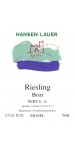
Hansen Lauer Sekt Riesling Brut is made from 100 percent Riesling grown on Devonian slate.
A very fine bubbles along with a very nice fruit (apple, pear, citrus) and minerality coming from the stony (slate) vineyards.
Production techniques: the Sekt is bottle fermented, stayed on the lees for 12 months, thus giving it very fine bubbles along with a very nice fruit and minerality.
The vineyard sites are Bernkasteler Graben, Bernkasteler Badstube, Bernkasteler Bratenhöfchen, Graacher Himmelreich. The vineyards are situated at the beginning of a long stretch of approx. 2 million vines.
Enjoy on its own as an aperitif or with delicate food, such as pike, lobster and scalops.



