
" We don't sell the wine without touching the vine "

| Country: | United States |
| Region: | California (Lodi) |
| Winery: | Klinker Brick Winery |
| Grape Type: | Zinfandel |
| Vintage: | 2009 |
| Bottle Size: | 750 ml |
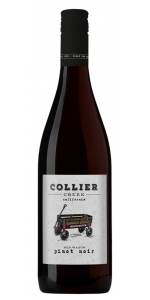
Collier Creek Old Press Zinfandel is made from 93% Zinfandel and 7% Petite Sirah.
Nestled in the heart of the Lodi Appellation, where farmland ran as far as the eye could see, Collier Creek is a place that reminds us of simpler times. The ol' press may look different these days, but this Zinfandel is still a classic with notes of dark fruit, baking spice, vanilla and a velvet mouthfeel.
Pair with blue cheese, bbq pork ribs, leg of lamb.
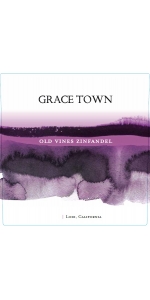
Grace Town Old Vine Zinfandel Lodi is amde from 98% Old VIne Zinfandel + 2% Cabernet Sauvignon.
Ruby red in color, with red fruit, raspberry, and spice on the nose. This wine is medium in body, with notes of ripe cherry, cedar box, cinnamon, anise, black pepper, and hint of smoke on the palate. It has a long, silky finish.
SALE!
Lodi, American Viticulture Area (AVA) – The Lodi AVA is located in the northern end of the San Joaquin Valley, Central Valley California, east of the San Francisco Bay. Lodi has warm days and cool nights, similar to the Mediterranean climate. The lower temperatures that occur in Lodi result in fruit with good acidity. A wide range of soils are found in the Lodi AVA, but they generally are deep, loamy, sandy, rocky soils similar to that found in southern Rhone valley.
The Lodi appellation totals almost one half million acres, and the approximately eight hundred growers farm roughly 90,000 acres. Lodi produces more Cabernet Sauvignon, Chardonnay, Merlot, Sauvignon Blanc, and Zinfandel than any other wine region in California, but it is probably best known for its old vine Zinfandel. The vines are often head trained giving them a classic old world appearance.
Zinfandel – The Zinfandel grape is a hearty variety that produces grapes with high sugar levels, often resulting in wines with a high alcohol content. Thought to be a relative of Primitivo that is found in southeast of Italy (the boot heel), Zinfandel can be made into a wide range of wine styles, including White Zinfandel, light or full bodied red wines, and even late harvest desert style wine. However Zinfandel, especially Old Vine Zinfandel from Lodi, is usually made into a full bodied, spicy red wine with characteristics of red fruit, raspberry, and cherry.
Produced in the heart of Lodi AVA.
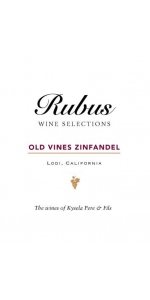
Rubus Zinfandel Lodi is made from 98% Zinfandel + 2% Cabernet Sauvignon
Bottled after aging in French and American oak for 9 months.
Rubus Zinfandel Lodi presents with ruby red in color, with red fruit, raspberry, and spice on the nose. This wine is medium in body, with notes of ripe cherry, cedar box, cinnamon, anise, black pepper, and hint of smoke on the palate. It has a long, silky finish.
Selected by Fran Kysela MS.
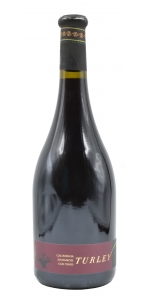
The sage, autumnal older sister to the spring verve of the Juvenile, Old Vines encompasses everything we stand for at Turley. Teeming with dark berries, currants, baking spices, earth, and a sprinkle of petrichor on the nose. The palate is brooding yet supple, serious yet satisfying. Inherently embodies the depth, complexity, and grace that can only come from old vines.
Review:
As with the Juvenile bottling, the 2022 Zinfandel Old Vines punches above its weight in this vintage. The nose is considerably deeper, fuller and more polished, opening with aromas of crushed plums, wild berry preserves, tobacco leaves and similar autumnal accents to its younger sibling. The palate is light- to medium-bodied, carrying through the polished quality of the nose and melds it with a subtly dusty tannin structure and bright acidity. The finish is straightforward and easy to drink, offering generous layers of fruit, spice and floral notes.
- Robert Parker's Wine Advocate 92 Points
A gutsy little red, with intense yet zesty flavors of raspberry, cranberry, savory anise and black pepper that finish with briary tannins.
Wine Spectator 92 Points
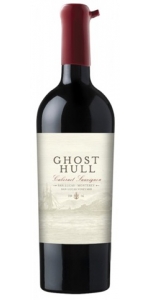
Ghost Hull Cabernet Sauvignon is made of 100 percent Cabernet Sauvignon.
Aromas of blackberry, elderberry and ripe plum are accentuated by notes of mocha, fresh tarragon, vanilla and oak. The palate is full-bodied and offers a lovely balance of acidity and tannins accompanied by rich flavors of dark fruit and black currant, ending with a juicy and lingering finish
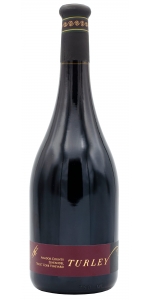
Turley Zinfandel Buck Cobb is made from 100 percent Zinfandel.
Organically farmed head-trained vines planted at 1500' in the granite and quartz soils of the Sierra Nevada Mountains. Primarily savory and red-fruited, with characteristics of black pepper, dried meats and fine-grained tannin texture.
This would be an excellent pairing with wood-fired pizza.
Review:
The 2023 Zinfandel Buck Cobb Vineyard is bold, juicy and expressive. Dark cherry, plum, gravel, spice, herbs and lavender are front and center. This shows terrific depth and plenty of character to match its exuberant personality.
Vinous 90-92
Klinker Brick Zinfandel Old Ghost has exotic spices of cardamom and black pepper on the nose, infused with bright, black cherry fruit. On the palate, it is rich, round and full-bodied with flavors of brambleberry and chocolate covered cherries yielding to a long and lingering finish. Aged in American oak.
The Klinker Brick Winery Estate
Steve and Lori Felten, fifth generation grape growers in the Lodi region, continue the tradition of cultivating “Old Vine” Zinfandel vineyards that their ancestors planted in the early 1900’s.
With roots in Germany, Russia and later the Dakotas, the family settled in Lodi, first producing watermelons. Recognizing that the soil and climate were ideal for growing grapes, they began to plant varieties that included Zinfandel, Tokay, Carignane, and Alicante. For over one hundred years, the family has cultivated the land with the aim of producing top quality fruit. Zinfandel was one of the first grape varieties to be planted in the Lodi appellation, although it had also been established in other parts of the California.
In 1996, the family began to produce Zinfandel for the bulk wine market, selling wine to a number of prestigious, benchmark producers of Zinfandel in Napa and Sonoma Counties.
In 2000, Steve and Lori made the decision to start their own winery with the mission to produce exceptional Zinfandel. They continue to make wine from all of the vineyard blocks, culling only the very best lots for bottling Klinker Brick and designated vineyard wines. They produced their first Syrah in 2001. They have one goal…to produce world-class wine.
Klinker Bricks are highly prized bricks that grace many of the historical buildings in Lodi, including the owner's home. Chosen by Craftsmen architects in the 1920’s for their distinctive qualities, including unique shapes and dark, rich color, these bricks are “heavier” than regular bricks
“Klinker” refers to the sound that they would make when banged together, because of their increased weight. Rich, deep color, enormous density, unique and distinctive are the same qualities found in their old vine Zinfandel.
The Klinker Brick Winery Vineyard
The Felten Family own and manage fifteen individual vineyard blocks of “Old Vine” Zinfandel that range in age from 35 to 110 years old. Each vineyard is planted in sandy loam soils along the Lodi Mokelumne River Region and up into the Clements Foothills.
These vineyards are generally head-trained and dry farmed, yielding an average of 2.0 to 3.5 ton per acre. Some of the oldest vineyards have yields as small as .25 ton per acre. While there are significant limitations in the quantity of grapes produced, the quality of fruit is exceptional.
The grapes come from several different vineyards within the Lodi Appellation, depending upon the highest quality of fruit produced each year, and has included several vineyards in the Mokelumne and in the Clements Hills region.
From time to time, they produce single vineyard designated wines that express unique character, in addition to exceptional quality. These wines are produced in very small quantities and are extremely limited.
Paul Hobbs George Menini Estate Pinot Noir is made from 100 percent Pinot Noir.
Brilliant ruby red in the glass, the 2022 vintage follows the color with matching aromas of wild mountain strawberry, raspberry, and cherry infused with hints of black tea. On the palate, this wine has the texture of thick satin, evolving seamlessly with subtle energy and pleasant tension. Elegant, fine-grained tannins run through a lingering, juicy finish.
Review:
Wow, a super well-structured, vital wine with oodles of generous black fruit flavors on a firm frame that will help it age well and improve with time. Black cherries, blackberries, blueberries, forest floor nuances and a slight smoky, stemmy character from using mostly Calera-clone grapes, with 15% whole clusters and 30% new French oak. Great interplay between layered fruit and a fresh, crunchy texture. Drinkable now, but best from 2030.
-James Suckling 98 Points & #54 in Top 100
Burgo Viejo Rioja Gran Reserva is made from 100 percent Tempranillo. 30 year old vines.
Burgo Viejo Gran Reserva shows a deep red ruby color and offers powerful aromas of blackberry jam, spice, leather, chocolate with toasty nuances. Smooth yet full-bodied with firm tannins and a long finish.



