" We don't sell the wine without touching the vine "
| Country: | Portugal |
| Region: | Vinho Verde |
| Winery: | Encostas do Lima |
| Grape Type: | Lourerio |
| Vintage: | 2022 |
| Bottle Size: | 750 ml |

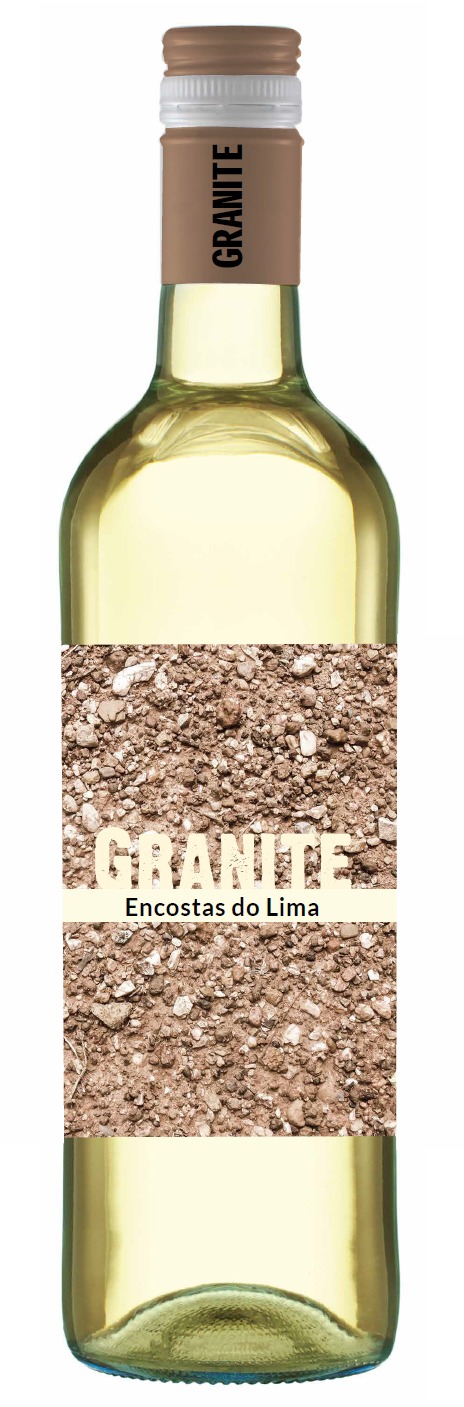
Lima Granite Vinho Verde is made from 100 percent Loureiro.
This special project from the Adega Ponte de Lima highlights the diverse soils of the Vinho Verde region. Made from 100% Loureiro grapes, both the Granite and Schist varieties boast a crisp acidity and expressive minerality.
Lima Vinho Verde Granite displays intense floral aromas with great freshness and more accentuated minerality.
Sushi, fish, seafood, cheeses and salads.

Lima Vinho Verde Rose is made from 75% Souzao, 15% Borraçal and 10% Espadeiro.
It is a blend of 75% Souzao (same as Vinhao), 15% Borraçal (which is also known as Caino Tinto) and 10% Espadeiro:
Souzão (or Sousão or Vinhão) is a Portuguese wine grape that is used in the production of port wine. While originating in the Minho regions, it is used primarily in Australia, California and South Africa. In Portugal, it is also an authorized planting in the Douro, and Dão-Lafões area (Vinho do Dão). The grape is known for the deep color it produces in a wine as well as its coarse and raisiny taste.
Caiño tinto (also known as Borraçal) is a red Galician wine grape variety that is also grown in Portugal's Vinho Verde wine region where it is known as Borraçal. In Spain, it is a permitted variety in the Denominación de Origens (DOs) of Rías Baixas and Ribeiro where it produces highly perfumed wines with noticeable tartness and high acidity.
Espadeiro is a red Portuguese wine grape planted primarily in the Minho region for making Vinho Verde. It is also grown across the border, in Spain, in Galicia where it is used to make light bodied wines.

Vinhão (also known as Souzao or Sousao) is a Portuguese wine grape used in the production of port wine. While originating in the Minho regions, it is used primarily in Australia, California and South Africa. In Portugal, it is also an authorized planting in the Douro, and Dão-Lafões area (Vinho do Dão). The grape is known for the very deep color it produces in a wine as well as its coarse and raisiny taste.

Praia Aveleda Vinho Verde NV is made from 40% Loureiro, 20% Trajadura, 20% Arinto, 20% Azal.
Praia, which means "beach" in Portuguese, is a smooth and fresh wine with delicate and lovely fruity flavors. Slightly spritzy, it is well balanced and very refreshing.
The region is typical for its unique wines that are fresh and light, combined with a very well balanced acidity. These characteristics result from the region's unique soil and climate, with a strong Atlantic influence that you will identify when you taste it.
The wine is ideal as an aperitif or throughout a meal, especially with fish, seafood, white meat and salads. Due to it freshness, it is particularly pleasant in a relaxed and informal ambiance.

Carmo Vinhos Madeira Verdejo 10 Yr an amber medium dry wine with medium body and acidity. Rich aroma and flavor of dried fruits, nuts and caramel, showing a vibrant character, lengthy and well balanced. An excellent aperitif or as an accompaniment to pates.

My Favorite Neighbor Cabernet Sauvignon is made from 79% Cabernet Sauvignon, 8% Malbec, 6% Syrah, 4% Petite Sirah, 3% Petit Verdot.
A homage to Stephan Asseo of L’Aventure Winery became an obsession. Sourced from exceptional vineyard sites around Paso Robles, San Luis Obispo and south to Edna Valley, this wine is cultivated meticulously by the farmers who have become My Favorite Neighbors. With their dedication to the land, we are able to craft a world class wine without any shortcuts or compromises. Welcome to our Neighborhood.
The 2022 My Favorite Neighbor is everything you’ve come to expect from our flagship Cabernet Sauvignon, sourced from our favorite Paso Robles growers who lend their neighborly spirit to the wine. Effusive aromas of raspberry and currant reveal notes of blue fruit and purple flower. On the palate, juicy red fruits are interwoven with hints of black cherry, cinnamon and toasted oak. Structured tannins carry into a long, chewy finish. Whether it’s a casual backyard barbecue or a fine celebratory meal, this versatile wine has you covered for summer and beyond.
Lima Granite Vinho Verde is made from 100 percent Loureiro.
This special project from the Adega Ponte de Lima highlights the diverse soils of the Vinho Verde region. Made from 100% Loureiro grapes, both the Granite and Schist varieties boast a crisp acidity and expressive minerality.
Lima Vinho Verde Granite displays intense floral aromas with great freshness and more accentuated minerality.
Sushi, fish, seafood, cheeses and salads.
The Encostas do Lima Estate
Encostas do Lima is produced at Adega Cooperativa de Ponte de Lima, a beautiful small town with a Roman bridge and medieval towers.
The Encostas do Lima Vineyard
Vinho Verde country is located in northeastern Portugal and is the largest demarcated wine region in Portugal (61,750 acres in size). The six official sub-regions are: Moncão (Alvarinho country), Lima (our wine), Braza, Basto, Peñafiel and Amarante. The maximum yield is 5.45 tons/acre (80 hectoliters/hectare). Soils are poor with an underlying granite base. Grapes used in the production of Vinho Verde are: Alvarinho, Rabigato, Loureiro, Batoca, Trajadura, Avesso, Pederña, Azal.

Klipsun Cabernet Sauvignon Red Mountain is made from 84% Cabernet Sauvignon, 4% Merlot, 4% Malbec and 8% Syrah.
The 2017 vintage started out with a cool, wet winter, with significantly above average snowfall in eastern Washington. Red Mountain had a 24% increase in rainfall in 2017 over the 10 year average. Going into spring, the cool trend continued. As a result, bud break at Klipsun was behind the historical average and significantly behind the most recent warm vintages of 2013 2016. Bloom was also slightly delayed. Because of the cool weather, set was lighter than usual which translated into significantly less fruit in 2017.
The early part of the summer saw average temperatures followed by above average temperatures in July and August. As a result, he at accumulation was a bit above average for the season, despite the cool start. And because of the smaller than normal yield, harvest began right on schedule, perhaps even a bit early for some of the whites. In the second half of September, when Klipsun traditionally harvests all the reds, the temperatures cooled considerably, which delayed ripening. This allowed for luxurious amounts of hang time without the threat of increased sugar accumulation, stretching harvest into the first week of October. A s a result, all fruit going into the 2017 Klipsun Cabernet Sauvignon could be picked at perfect sugars levels with great fruit maturity and flavors. Overall, the quality of t he 2017 harvest is as high as the 2016. However, the style is slightly different. The 2017 wine has a firmer structure, more spice & mocha in the nose and will take a few mo re years than the 2016 to reach a perfect balance between fruit and tannin.
Review:
The 2017 Cabernet Sauvignon Red Mountain is composed of 84% Cabernet Sauvignon, 4% Merlot, 4% Malbec and 8% Syrah, which immediately emanates with aromas of dark roasted espresso bean, toasted oak, dried tobacco and dusty black fruit tones of cassis, currant and blackberries covered in dark cocoa powder. Full-bodied, generous in complexity and still tight in the mouth, the wine unpacks layers of cedar and vanilla tones with dusty purple flowers and bitter dark chocolate across the mid-palate, giving way to fine-grained tannins that will loosen with time. As the wine sits on the palate, the 100% French oak regimen is on full display for all to see. The wine lingering long and continues to evolve in the mouth, ending with a drying finish that highlights the oak and terroir. It’s still a baby, and I would keep it in the cellar for another few years before popping the cork—this will effortlessly coast for more than a decade. The 2017 vintage marks the second release of this wine, with 6,300 bottles produced. It comes from its namesake vineyard, first planted in 1984 on Red Mountain. I’m keeping my eye on this producer. I’m impressed, and even though the oak may be a bit much at the moment, it's still delicious. - Wine Advocate 94+ Points

Bernard Cote Rotie Cote Brune is made from 100% Syrah. Wine was aged in French oak barrels for 16 months (25% new)
Like its little sister (Côte Rôzier) the Côte Brune is a 100% Syrah with a beautiful dark and brilliant color. The nose shows grilled and toasted notes and is completed by small red and black fruits. It is a wine with a very good length, nice complexity, finesse, and firm tannins. Its ageing in barrels for 16 months, 25% of which are new, brings a real balance to this wine. A very pleasant, elegant and modern wine that can be cellared for many years.
Pair with roasts, white meat with wine sauce, game, red meat and dark chocolate. To be served between 16 and 18°C. (60-64°F)