" We don't sell the wine without touching the vine "
| Country: | Portugal |
| Region: | Vinho Verde |
| Winery: | Encostas do Lima |
| Grape Type: | Lourerio |
| Vintage: | 2023 |
| Bottle Size: | 750 ml |

Lima Adega Vinho Verde is made from 80% Loureiro and 20% Trajadura
All Vinho Verde (or green wines – meaning young, not green in flavor) are the best in the first 18 months. The wine is fresh, crisp, lively with a touch of spritz. It has some very interesting aromas of stone fruit and lime.
Portuguese Vinho Verde with a screwcap!
Loureiro: Loureiro is a white vine variety grown in the northern region of Portugal that produces an aromatic bay leaf scent. The pale-skinned variety is used to make the Vinho Verde white wine that of the Minho region.Traditionally, Vinho Verde wines include Trajadura and Pederna, but varietal Loureiro wines are becoming increasingly popular. The Loureiro variety is also grown in smaller batches in Galicia, which sits to the north of border of Spain. Loureiro variety grapes are high in acid and is sometimes called "Branco", "Marques", or "Redondo". In this region, the variety is used to create the Rias Baixas white wine, and is typically blended with the variety, Albarino. The wine works perfectly with fish, grilled good, sushi, shellfish, salads or fruits. The wine also pairs nicely with clams and white wine or fresh spring rolls. The variety is high in acidity and is typically bottled with a shot of carbon dioxide to maintain the quality of the wine and to give it a nice, bubbly texture. The taste of the wine includes aromas of citrus, tropical fruits and a mineral tone, and also has hints of floral aromas.
Trajadura: Trajadura is a white grape varietal also known as Treixadura. Trajadura originates from Portugal, particularly the Northern region. Trajadura is most famously used in Portugal's Vinho Verde wine, but Trajadura is also utilized in blends to add fullness and brisk citrus flavor. The low acid content in Trajadura, combined with a higher alcohol content make it an ideal and rare blending component in this particular climate region. When Trajadura is blended with Loureiro and Albarino it is the perfect balance for Vinho Verde. In Spain, Trajadura is called Treixadura and is most commonly found n Rias Baixas and Ribeiro. Spain also takes advantage of the blending characteristics while combining with Albarino, Abillo, Lado, Macabeo, Godello, and Torrontes. The Trajadura vines are recognized by average sized bunches that are dense with moderately sized berries. Trajadura ripens early, so to keep the acidity, it must be harvested rather early. The flavor profile for Trajadura will consist of apricot, peach, apple, lemon, and pear.
With low alcohol, it is best as an aperitif or with seafood. Definitely a summer drink.

Lima Vinho Verde Rose is made from 75% Souzao, 15% Borraçal and 10% Espadeiro.
It is a blend of 75% Souzao (same as Vinhao), 15% Borraçal (which is also known as Caino Tinto) and 10% Espadeiro:
Souzão (or Sousão or Vinhão) is a Portuguese wine grape that is used in the production of port wine. While originating in the Minho regions, it is used primarily in Australia, California and South Africa. In Portugal, it is also an authorized planting in the Douro, and Dão-Lafões area (Vinho do Dão). The grape is known for the deep color it produces in a wine as well as its coarse and raisiny taste.
Caiño tinto (also known as Borraçal) is a red Galician wine grape variety that is also grown in Portugal's Vinho Verde wine region where it is known as Borraçal. In Spain, it is a permitted variety in the Denominación de Origens (DOs) of Rías Baixas and Ribeiro where it produces highly perfumed wines with noticeable tartness and high acidity.
Espadeiro is a red Portuguese wine grape planted primarily in the Minho region for making Vinho Verde. It is also grown across the border, in Spain, in Galicia where it is used to make light bodied wines.

Vinhão (also known as Souzao or Sousao) is a Portuguese wine grape used in the production of port wine. While originating in the Minho regions, it is used primarily in Australia, California and South Africa. In Portugal, it is also an authorized planting in the Douro, and Dão-Lafões area (Vinho do Dão). The grape is known for the very deep color it produces in a wine as well as its coarse and raisiny taste.

Praia Aveleda Vinho Verde NV is made from 40% Loureiro, 20% Trajadura, 20% Arinto, 20% Azal.
Praia, which means "beach" in Portuguese, is a smooth and fresh wine with delicate and lovely fruity flavors. Slightly spritzy, it is well balanced and very refreshing.
The region is typical for its unique wines that are fresh and light, combined with a very well balanced acidity. These characteristics result from the region's unique soil and climate, with a strong Atlantic influence that you will identify when you taste it.
The wine is ideal as an aperitif or throughout a meal, especially with fish, seafood, white meat and salads. Due to it freshness, it is particularly pleasant in a relaxed and informal ambiance.

Carmo Vinhos Madeira Verdejo 10 Yr an amber medium dry wine with medium body and acidity. Rich aroma and flavor of dried fruits, nuts and caramel, showing a vibrant character, lengthy and well balanced. An excellent aperitif or as an accompaniment to pates.

The 2023 Far Niente Chardonnay enchants with a bouquet of citrus, white floral, and hints of honeydew melon and nectarine. Its silky texture and bright, refreshing palate dance with flavors of lemon/lime zest and lemon verbena, culminating in a long, juicy finish that leaves the palate yearning for more.
Review:
The combination of Carneros' maritime climate and the volcanic soils of Coombsville lends a hand in creating one of the most deluxe Chardonnays our team has had the pleasure of tasting. Augmented by sweet vanilla cream, elderflower, and white cherry, the mouthfeel is exquisitely graceful, and notes of key lime, herbed lemon, and luscious ripe pineapple are opulent to the end. Aged sur lie in French oak barrels.
-Tasting Panel 97 Points
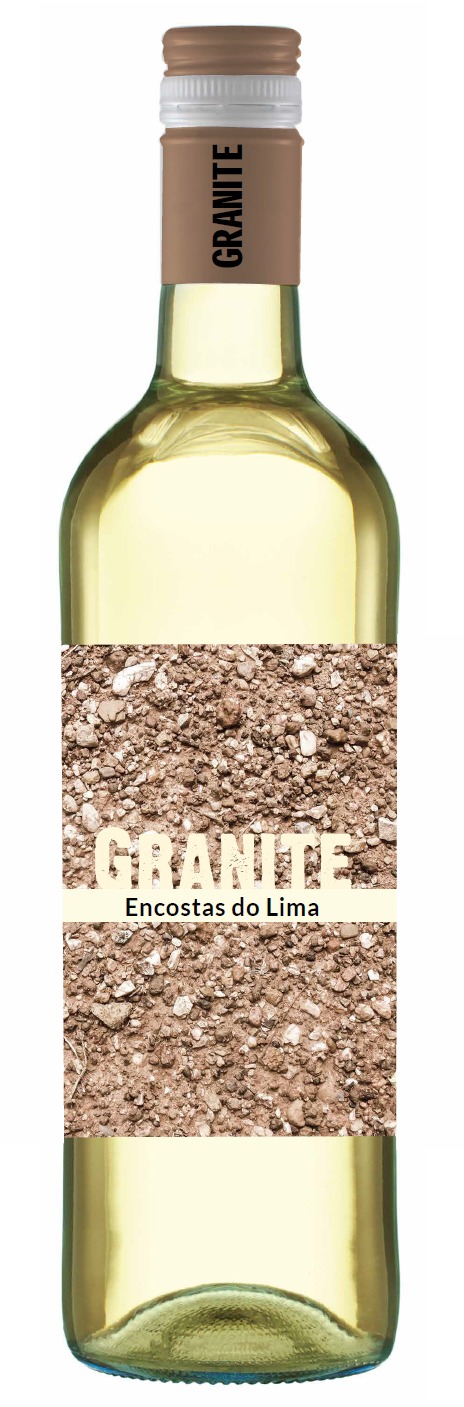
Lima Granite Vinho Verde is made from 100 percent Loureiro.
This special project from the Adega Ponte de Lima highlights the diverse soils of the Vinho Verde region. Made from 100% Loureiro grapes, both the Granite and Schist varieties boast a crisp acidity and expressive minerality.
Lima Vinho Verde Granite displays intense floral aromas with great freshness and more accentuated minerality.
Sushi, fish, seafood, cheeses and salads.
The Encostas do Lima Estate
Encostas do Lima is produced at Adega Cooperativa de Ponte de Lima, a beautiful small town with a Roman bridge and medieval towers.
The Encostas do Lima Vineyard
Vinho Verde country is located in northeastern Portugal and is the largest demarcated wine region in Portugal (61,750 acres in size). The six official sub-regions are: Moncão (Alvarinho country), Lima (our wine), Braza, Basto, Peñafiel and Amarante. The maximum yield is 5.45 tons/acre (80 hectoliters/hectare). Soils are poor with an underlying granite base. Grapes used in the production of Vinho Verde are: Alvarinho, Rabigato, Loureiro, Batoca, Trajadura, Avesso, Pederña, Azal.

Dr. Loosen Riesling Eiswein is made from 100 percent Riesling.
This vibrant, racy dessert wine conjures flavors of densely packed pear, apple and guava, with an intense, nervy edge in the aroma. It is luscious, silky and juicy on the palate, with bright acidity giving it a crisp, dynamic finish.
Review:
This is extremely rich, yet the acidity keeps it on its toes. The palate is rich, sporting rhubarb and apricot flavors that are laced by hints of earth, coriander seed and honeyed oolong tea. It has an appealing sweet tart character that takes over and is matched by super suave texture. Shows incredible persistence through the long finish. Drink now through 2050.
-Wine Enthusiast 95 Points

Manoir du Carra Beaujolais Cru Fleurie Vers le Mont is made from 100 percent Gamay.
Intense red color, subtle fruity and floral aromas of violet, berry and cinnamon. It also has a distinctive aroma of Peony and Lily flowers, typical of the "Sur le Mont" terroir. Ample in the mouth with plenty of ripe red and black fruit flavors. The structure is full and the tannins are round and elegant. Even better after a few years of cellaring.
Of the top ten Cru sites of Beaujolais, Fleurie is one of the top three. The wines show finesse, fullness, and flavor. Fleurie does age well for 3-5 years from vintage. The area was named for a Romain General named Floricum, not for the word flower in French. The size of this AOC is 875 hectares of grapes (2,161 acres) and about 180 examples of this Cru are available on the market. This Cru is known as the “Queen of Beaujolais” and the earth is slightly unusual for having blue color, due to magnesium in the soil.
Intense red color, subtle fruity and floral aromas of violet, berry and cinnamon. It also has a distinctive aroma of Peony and Lily flowers, typical of the "Sur le Mont" terroir.
It is ample in the mouth and has a lot of ripe red and black fruit flavors. The structure is full and the tannins are round and elegant.
Even better after a few years of cellaring.
Excellent with red and game meats, and cheeses.