" We don't sell the wine without touching the vine "
| Country: | Portugal |
| Region: | Vinho Verde |
| Winery: | Encostas do Lima |
| Grape Type: | Lourerio |
| Vintage: | 2024 |
| Bottle Size: | 750 ml |

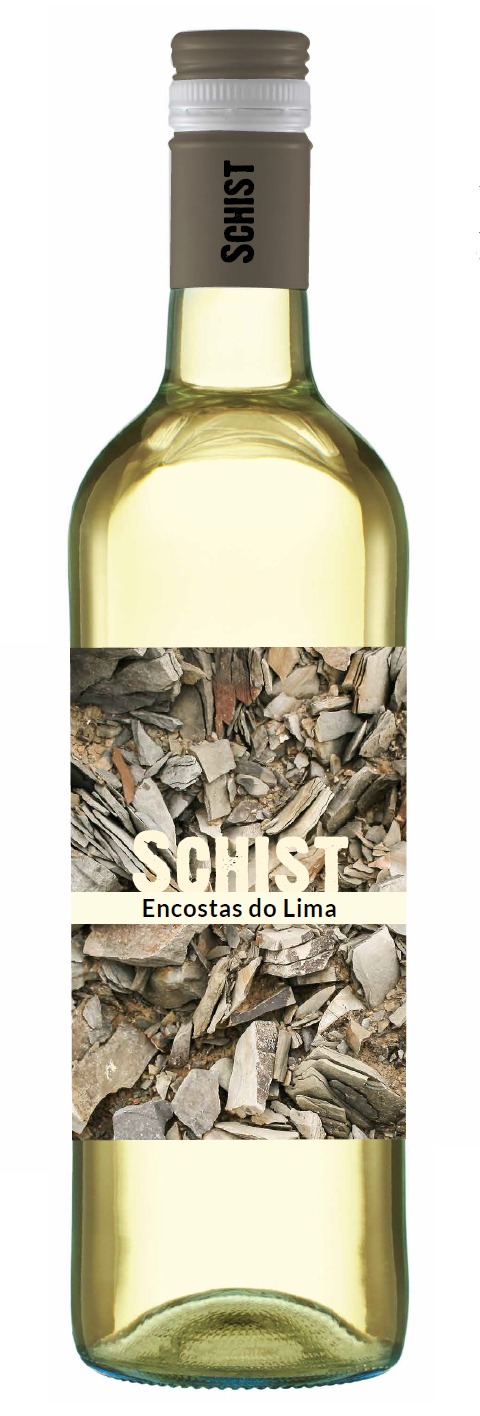
Lima Xisto (Schist) Vinho Verde is made from 100 percent Loureiro.
his special project from the Adega Ponte de Lima highlights the diverse soils of the Vinho Verde region. Made from 100% Loureiro grapes, both the Granite and Schist varieties boast a crisp acidity and expressive minerality.
Lima Schist Vinho Verde displays subtle yet more complex aromas. Full bodied, persistent and engaging.
Sushi, fish, seafood, cheeses and salads.

Lima Granite Vinho Verde is made from 100 percent Loureiro.
This special project from the Adega Ponte de Lima highlights the diverse soils of the Vinho Verde region. Made from 100% Loureiro grapes, both the Granite and Schist varieties boast a crisp acidity and expressive minerality.
Lima Vinho Verde Granite displays intense floral aromas with great freshness and more accentuated minerality.
Sushi, fish, seafood, cheeses and salads.

Lima Vinho Verde Rose is made from 75% Souzao, 15% Borraçal and 10% Espadeiro.
It is a blend of 75% Souzao (same as Vinhao), 15% Borraçal (which is also known as Caino Tinto) and 10% Espadeiro:
Souzão (or Sousão or Vinhão) is a Portuguese wine grape that is used in the production of port wine. While originating in the Minho regions, it is used primarily in Australia, California and South Africa. In Portugal, it is also an authorized planting in the Douro, and Dão-Lafões area (Vinho do Dão). The grape is known for the deep color it produces in a wine as well as its coarse and raisiny taste.
Caiño tinto (also known as Borraçal) is a red Galician wine grape variety that is also grown in Portugal's Vinho Verde wine region where it is known as Borraçal. In Spain, it is a permitted variety in the Denominación de Origens (DOs) of Rías Baixas and Ribeiro where it produces highly perfumed wines with noticeable tartness and high acidity.
Espadeiro is a red Portuguese wine grape planted primarily in the Minho region for making Vinho Verde. It is also grown across the border, in Spain, in Galicia where it is used to make light bodied wines.

Vinhão (also known as Souzao or Sousao) is a Portuguese wine grape used in the production of port wine. While originating in the Minho regions, it is used primarily in Australia, California and South Africa. In Portugal, it is also an authorized planting in the Douro, and Dão-Lafões area (Vinho do Dão). The grape is known for the very deep color it produces in a wine as well as its coarse and raisiny taste.

Praia Aveleda Vinho Verde NV is made from 40% Loureiro, 20% Trajadura, 20% Arinto, 20% Azal.
Praia, which means "beach" in Portuguese, is a smooth and fresh wine with delicate and lovely fruity flavors. Slightly spritzy, it is well balanced and very refreshing.
The region is typical for its unique wines that are fresh and light, combined with a very well balanced acidity. These characteristics result from the region's unique soil and climate, with a strong Atlantic influence that you will identify when you taste it.
The wine is ideal as an aperitif or throughout a meal, especially with fish, seafood, white meat and salads. Due to it freshness, it is particularly pleasant in a relaxed and informal ambiance.

Carmo Vinhos Madeira Verdejo 10 Yr an amber medium dry wine with medium body and acidity. Rich aroma and flavor of dried fruits, nuts and caramel, showing a vibrant character, lengthy and well balanced. An excellent aperitif or as an accompaniment to pates.
Lima Xisto (Schist) Vinho Verde is made from 100 percent Loureiro.
his special project from the Adega Ponte de Lima highlights the diverse soils of the Vinho Verde region. Made from 100% Loureiro grapes, both the Granite and Schist varieties boast a crisp acidity and expressive minerality.
Lima Schist Vinho Verde displays subtle yet more complex aromas. Full bodied, persistent and engaging.
Sushi, fish, seafood, cheeses and salads.
The Encostas do Lima Estate
Encostas do Lima is produced at Adega Cooperativa de Ponte de Lima, a beautiful small town with a Roman bridge and medieval towers.
The Encostas do Lima Vineyard
Vinho Verde country is located in northeastern Portugal and is the largest demarcated wine region in Portugal (61,750 acres in size). The six official sub-regions are: Moncão (Alvarinho country), Lima (our wine), Braza, Basto, Peñafiel and Amarante. The maximum yield is 5.45 tons/acre (80 hectoliters/hectare). Soils are poor with an underlying granite base. Grapes used in the production of Vinho Verde are: Alvarinho, Rabigato, Loureiro, Batoca, Trajadura, Avesso, Pederña, Azal.
Lima Granite Vinho Verde is made from 100 percent Loureiro.
This special project from the Adega Ponte de Lima highlights the diverse soils of the Vinho Verde region. Made from 100% Loureiro grapes, both the Granite and Schist varieties boast a crisp acidity and expressive minerality.
Lima Vinho Verde Granite displays intense floral aromas with great freshness and more accentuated minerality.
Sushi, fish, seafood, cheeses and salads.

Quinta de Fafide Reserva Branco is made from 50% Codega do Larinho, 30% Rabigato, 20% Viosinho
In this wine we look for an aromatic concentration and high acidity of the grapes from the very old traditional vineyards of high altitude in Douro Superior, about 550 meters above sea level, showing the full character of the varieties of indigenous Douro old vines, giving very mineral and creamy wines. Mineral aroma, citrus and tropical fruit, fresh and full-bodied on the palate, buttery texture and complexity provided by fermentation and ageing in barrels.

Pioneiro Red Wine Vinho Regional Peninsula de Setubal is made from 60% Castelao (also known as Periquita), 30% Aragones and 10% Syrah
Aged 5 months in French oak barrels
The story of this wines begun more than a century ago, with the pioneering dream of Venâncio da Costa Lima: to bring good wines to every corner of Portugal. Pioneiro wine brand was created to pay homage to his vision.
What's Unique? Pioneiro (meaning “pioneer” in Portuguese) wine vintage style label pay homage to the founder’s dream, dating back to 1914. But in a relaxed, casual way, typical of this wine producer mood.
Intense garnet color, complex nose with touches of ripe fruit, jam and spices, full-bodied flavor and a very balanced finish.
Castelao: as the most widely-grown red grape variety in Portugal it is still often referred to in Portuguese as "Periquita" or "Joao de Santarem", although that name is legally owned by José Maria da Fonseca in the Setúbal Peninsula outside of Lisbon. It is highly adaptable to different climatic conditions and its remarkable versatility enables winemakers to make a range of wines – from the easy drinking and quaffable reds and rosados to the powerful and intense reds perfectly suited to lengthy cellaring. Castelão comes into its own and is most expressive in the Sétubal Peninsula, where it makes meaty and intense wines with aromas of red berries and blue flowers that marry well with the deft use of oak.
Made from 15 year old vines planted on sandy soils.
Classic vinification at controlled temperature (25 °C) with prolonged maceration for phenolic extraction. Wine went through malolactic fermentation.
It was aged 5 months in French Oak barrels.
Wine was slightly filtered before bottling to avoid sedimentation in the bottle and to ensure stability.
Pasta, Cheese, red meat and game.

Boeira White Diamond Port is made from Malvasia Fin, Viosinho, Gouveio, and Côdega de Larinho.
Clear amber color, on the nose aromas of citrus, tangerine peel, peaches and honey. In the mouth it is full but elegant, well integrated and persistent finish
Boeira White Diamond Port is the perfect companion for a number of foods including appetizers, lean fish, salads, pasta or desert like apple pie or crème brulée.
Review:
The NV White Diamond Port is the estate's 10-year Tawny based on Málvasia Fina, Viosinho, Gouveio, and Côdega de Larinho. Caramelized orange, toffee, fig, and spicy white chocolate notes all shine on the nose, and this beauty hits the palate with medium to full-bodied richness and a round layered, incredibly seamless mouthfeel. It's all about its seamless, decadent, sweetly fruited, yet balanced style.
-Jeb Dunnuck 94 Points

In 1996, building on their tradition of excellence established at Duckhorn Vineyards, and their growing love of Pinot Noir, Dan and Margaret Duckhorn came to Anderson Valley to found Goldeneye. Anderson Valley has since earned acclaim as one of the world’s greatest Pinot Noir regions. Representing the pinnacle of our winemaking portfolio, Ten Degrees is made from only our finest lots, making it a Pinot Noir of unparalleled grace and grandeur.
Reviews:
From the best lots on the Golden- eye Estate, this wine aged in French oak for 16 months. Scents of wild cherry and sage are off the charts. Undeniable vibrancy, generous fruit, and floral notes create a mael- strom of flavor and texture that complements the wine's intensely high energy. Earthy, salty notes manifest in a kiss of soil, balsamic, cinnamon, and cedar.
-Tasting Panel 96 Points
A beautiful blend of the best barrels of all the single vineyards and it shows wonderful complexity and thoughtfulness. Layered and complete, giving you so much flavor and deliciousness.
-James Suckling 96 Points

Rubus Sauvignon Blanc Marlborough is made from 100 percent Sauvignon Blanc.
The Rubus Project was created by Fran Kysela as a way to source & sell incredible wines at value prices. All wines in this international project are hand-selected by Fran Kysela. Rubus wines are fruit driven, true-to-type values that over deliver - a true representation of quality for the consumer at an excellent price.
Aromas of gooseberry, lemongrass, boxwood, fresh celery and bready notes on the nose. The palate is dry to taste with juicy gooseberry and citrus flavors forming a light, refreshing medium bodied wine with a tart yet soft lingering finish.
Grapes are gently pressed, settled and racked to fermentation. Juice is cool fermented in stainless steel tanks for 21 days and left on the lees for 2 months prior to blending, light fining, filtering and bottling.
The perfect accompaniment to vegetable or light seafood dishes or to enjoy before a meal.