
" We don't sell the wine without touching the vine "
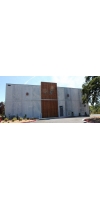
Marcassin (French for ‘young wild boar’) is a distinctive Sonoma Coast, California winery owned by renowned winemaker Helen Turley and her husband John Wetlaufer, a viticulturalist. Helen Turley has worked as a consultant for numerous acclaimed wineries, but she now focuses mainly on her Marcassin wines.
Helen & John (a viticulturalist) produce around 2,500 cases of Chardonnay and Pinot Noir annually. The wines are highly sought after: 90% of the wine is sold via mailing list, and eager connoisseurs can wait years for the chance to be allocated a bottle.
Marcassin’s limited yield 20-acre estate vineyard is located on the Sonoma Coast and planted 2/3 Pinot Noir & 1/3 Chardonnay. It is meticulously farmed with densely planted vines. Fruit for their other vineyard-designated wines are sourced from neighboring Sonoma Coast vineyards.
Helen crafts unique, complex, and highly extolled expressions of Sonoma Coast wines following traditional Burgundian style, fermenting with natural yeast, primarily new oak and extended time on lees. The wines are bottled without fining, filtering or cold stabilization and are typically aged five years prior to release.
No products found
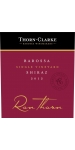
Deep red with a slight purple hue on release. The wine has a rich mix of dark chocolate infused with coffee bean and black liquorice, then scents of tar, aniseed, raw (pure) soy and black olive on the nose. The palate is expansive, and yet balanced and finessed. An amalgam of dark berried flavors and textural sensations. The 100% new oak is completely absorbed, meshed with ripe tannins, completing a palate of impressive length and youthfulness.
Parcels of fruit for this wine were identified in the vineyard by the winemakers. Daily fruit inspection led to the fruit being harvested at optimum flavor ripeness. The fruit was harvested at night and quickly transported to the winery. The fruit was destemmed to 6T open fermenters for fermentation. A Shiraz specific yeast was selected to ferment the wine and fermentation was carried out at a maximum of 28°C. The fermenter was manually pumped over twice daily in the first half of fermentation to give the winemakers control of color, flavor and tannin extraction. Pump over regimes were adjusted toward the end of fermentation to suit the tannin and flavor extraction of the wine. The cap was completely broken up on each pump over. The wine remained in fermenters for 6-8 days (dependent on parcel) before being pressed, inoculated with malolactic bacteria and filled to American oak (100% new barrels). The wine was racked post malolactic fermentation and returned to the same barrels. The wine was topped every month and after six months racked and returned to the same barrels again. Prior to bottling the parcels were emptied from oak and blended. Minimal fining and filtration was carried out prior to bottling.
Review:
Only made in top vintages, the 2019 Shiraz Ron Thorn is 100% Shiraz from the St. Kitts Vineyard in Barossa. Killer notes of blackberries, black cherries, smoked tobacco, chocolate, and subtle menthol all define the aromatics, and it hits the palate with full-bodied richness, a round, layered mouthfeel, huge mid-palate depth, and a salty, decadent style on the finish. This monster of a Shiraz stays balanced and light on its feet and is beautifully done.
-Jeb Dunnuck 96 Points
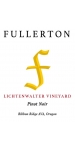
Fullerton Lichtenwalter Pinot Noir is made from 100% Pinot Noir - 10 years old
12 months in 100% neutral French Oak
On the western slope of the south-facing Ribbon Ridge sits the lovely Lichtenwalter Vineyard. Here Willakenzie soils, derived from ancient sedimentary seabed, coax black fruits and concentrated spices out of the wines.
Aromas of blackcurrant, blueberry, blackberry, and black cherry with concentrated spices followed by hints of sandalwood, smoke and oolong tea. Depth in the mid-palate pairs with balanced acidity, and so, yet structured tannins. The Willamee Valley’s smallest AVA speaks clearly and compellingly through this wine.
This wine comes from 100% destemmed rotator barrels fermented at ambient temperature reaching a peak temperature of 73° F. The rotator barrel spun twice daily during fermentation yielding a gentle extraction. Aer fermentation, the wine went through a three-week extended maceration, allowing the tannins to polymerize, soening the wine. Aged for 12 months in French oak barrels and three months in tank, the wine was then boled aer filtration.



