
" We don't sell the wine without touching the vine "
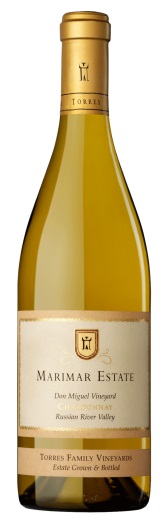
| Country: | United States |
| Regions: | California California (Sonoma County) |
| Winery: | Marimar Estate |
| Grape Type: | Chardonnay |
| Vintage: | 2010 |
| Bottle Size: | 750 ml |

All older vintage wines have been purchased from a single collectors cellar. Pictures can be requested before shipment.
Laird Chardonnay Cold Creek is 100% Chardonnay
Our Cold Creek Chardonnay is grown in the slightly cooler microclimate of the Sonoma side of the Los Carneros district to the west, where thick fog and cool marine winds protect its tender skins. Indigenous to the Burgundy region of France, Clones 15 and 95 at a 50:50 ratio exhibit an approachable style and luminous, golden color.
Tasting Notes: The appearance of golden straw leads you through an aromatic journey with notes of tropical fruits, sweet nectarine, melon, and vanilla. The wine has flavors of jasmine, citrus, and ripe Fuji apple that are complemented by a creamy mouthfeel and hints of lemon curd. The finish lingers on the palate, making you yearn for the next sip.
Vineyard: 100% Cold Creek Ranch
Appellation: Los Carneros
Varietal: 100% Chardonnay
50% Malolactic Fermentation
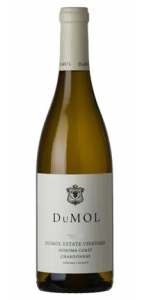
Our organically farmed high-density Estate parcel sits at the top of the ridge amongst the diverse coastal forest. Although the soil is sandy, there’s a vein of clay in the subsoil that holds winter rain and allows us to dry-farm the vines. The tight spacing keeps the clusters and soil shaded during the summer heat, which allows the fruit to retain all the nuance of the site. The wine produced here has a character - a signature - all to itself and cannot be replicated elsewhere; it's the antithesis of fruity, forward, easy-to-understand Californian Chardonnay. The grapes are small with thick skins, producing a high level of fruit extract, which translates to deep texture and structure in the wine itself. Concentration allied to freshness is the essence of this wine, and it ages beautifully in bottle for ten to twelve years.
The wine’s aromas and flavors are incredibly complex and diverse, akin to citrus oil, preserved lemon, sage, fennel and caraway. The wine is deep, powerful, and layered with oyster shell freshness cutting through the natural density. Lemongrass, spearmint, and grapefruit power the finish, which pulsates with intensity. You could decant this for an hour before serving to hasten its development. Drink between 2025 and 2030. Serve no cooler than 55º F.
Review:
From a site surrounded by dense forest on two sides, the 2022 Chardonnay DuMOL Estate Vineyard is a bright straw hue and has a more vibrant aromatic nose of fresh mint, bright lime, flint, crushed stones, and white peach. Medium to full-bodied, it boasts a remarkably firm structure with a bit of tannin, a chalky texture, and a savory slanting profile, and it’s long and persistent on the finish. It has an assertive but crystalline feel and a crunchy brightness. It demands a bit of time. Drink 2025-2035.
-Jeb Dunnuck 96 Points
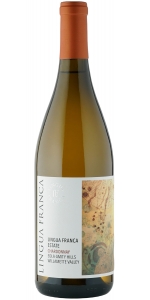
Floral notes leap out of the glass of the 100% Estate-grown Chardonnay 2022, with notes of jasmine, gardenia and lemon blossom. The contribution of low-yielding CH548 blocks seem to impress their character on the late vintage. The palate is round and fresh, entering with green apple and creamy lemon, which develop into chamomile and sea salt, with a round-textured, long finish of floral and saline notes.
The Estate Chardonnay will be an excellent accompaniment to rich and subtle dishes such as halibut with chanterelle sauce, plank smoked copper river xalmon with dill mayonnaise, Lobster Newberg, Quenelles de Brochet avec sauce a l’Armoricain, black cod with shellfish sauce. It is equally delightful with more casual dining options featuring béchamel sauces or cheese-rich dishes, such as a fondue, pasticcio or even lasagna.
Revieww:
The medium yellow/straw-colored 2022 Chardonnay Estate has a forward feel in the glass, with a great nose offering notes of bright flinty reduction, green apples, lime zest, and white flowers. Medium-bodied and long on the palate, it has persistent drive, with a pure savory feel and a graceful saline finish with a note of lime pith. It will drink well over the next 10 years.
-Jeb Dunnuck 94 Points
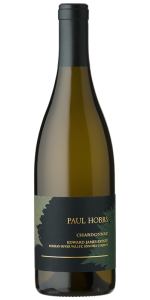
Paul Hobbs Edward James Estate Chardonnay Russian River Valley is made from 100 percent Chardonnay.
This small five-acre estate named after Paul's great-grandfather, Edward James, rewards us with a chardonnay that is pale straw in color with inviting aromas of lemon zest, red apple skin, gardenia, and honeysuckle. A creamy mouthfeel on the palate evolves into poached pear, ginger spice, and brioche that come together with a crunchy acidity and lively finish.
Review:
The 2022 Chardonnay Edward James Estate was named after Paul’s grandparents on his father’s side and originates in a vineyard planted entirely to Hyde Wente clone of Chardonnay. It was raised in French oak for 18 months on the lees. In the glass, it’s highly expressive and layered with aromas of toasted spice, incense, honeysuckle, quince, and preserved citrus. Medium to full-bodied, it has a fantastic, long, supple texture with a linear, crystalline feel, great, evenly fresh acidity, and a salty, mouthwatering finish. This is my favorite of the white wines at this tasting. Drink 2025-2037.
-Jeb Dunnuck 97 Points
Paul Hobbs George Menini Estate Chardonnay is made from 100 percent Chardonnay.
Located on the southwestern edge of the Russian River Valley appellation in an area known as the Sebastopol Hills, this Chardonnay from George Menini Estate displays pale straw in color and boasts an elixir of white and yellow florals, tart yellow apple, bartlett pear, and baking spice. A precise yet supple wine with notes of juicy Gravenstein apple, vibrant sea salt, and crushed rock, complemented by a cool-climate zing of acidity. An impressive level of complexity for a young vineyard.
Review:
Lots of pears and pear blossom with lemon rind undertones. Medium body with plenty of fruit and energetic acidity with a pumice undertone. Some terra-cotta, too. Flavorful finish. Salty, too. Complex. Lots going on here. Drink or hold.
-James Suckling 97 Points
Don Miguel Vineyard
Russian River Valley AVA
The Vinification
The grapes were harvested September 10-26, then gently whole-cluster pressed and barrel fermented in premium French oak. The barrels were 20% new oak from the forest of Allier, coopered by Rousseau, Damy, and Dargaud & Jaegle. After undergoing 100% malolactic fermentation, the wine was aged on its lees for ten months and bottled in August 2011.
The Clones
The vineyard’s 30 acres of Chardonnay are planted with three different clones. The blend of clones in the 2010 vintage is 61% See, 21% Rued and 18.0% Spring Mountain.
Tasting Notes
Complex nose with intense citrus and floral aromas of gardenia and honeysuckle, plus a minerality reminiscent of wet pebbles. A note of hazelnut and spice from the elegant oak carries through on the palate. Great balance and mouthfeel, with a lingering finish and long aging potential but delightful to drink right now.
"There’s a lot of lees influence on this wine, which gives it a sourdough taste and creamy mouthfeel. It’s dense in tropical fruit, citrus, green apple and honey notes, with a touch of sweet, smoky oak. A dry, complex, multilayered wine, this will gain traction with 2–4 years in the cellar. — S.H"
- Wine Enthusiast (December 2012), 94 pts
The Marimar Estate
Exporting a Legacy To California
Nestled in the rolling hills of western Sonoma County, the Russian River/Green Valley appellation is a perfect microclimate for growing Chardonnay and Pinot Noir. Only 10 miles from the Pacific Ocean and 50 miles north of San Francisco, the site is influenced by the sea's cooling breezes and drifting fog. That is why Marimar Torres selected this privileged location to "export" the Torres family legacy of fine wines to California.
A Catalan Farmhouse-Winery
Built in 1992 with a capacity of 15,000 cases, the winery sits on a hill surrounded by vines. The production wing is outfitted with carefully selected equipment, to allow the control essential to producing a wine based on minimal handling. Its three barrel rooms with independent temperature and humidity controls provide flexibility to experiment with various vinification techniques, in order to best express the fruit's character.
The Marimar Vineyard
The Don Miguel Vineyard: A Unique Site
Marimar came to live in California in 1975. After two years of searching, she acquired the land and began planting the vineyard in 1986. Today there are 30 acres planted with Chardonnay and 30 with Pinot Noir. The wines are made entirely from estate-grown grapes. Named in honor of the late patriarch of the family, the vineyard is unique in California because it is totally European in style. The vines are trained very close to the ground on an open vertical trellis, following the slope of an east-facing hillside; the rootstocks are phylloxera resistant; and the planting density is 2000 vines per acre, four times more than is traditional in California. Such high density promotes root competition and diminishes vigor, naturally reducing the output per vine.
Yields are low and labor is intensive, but the vines live longer and produce grapes with greater concentration of flavors, more refined and elegant aromas, and better balance. To contribute complexity, Marimar did extensive research to select several clones of each varietal: See, Rued and Spring Mountain for Chardonnay; and Cristina 88, Swan, Pommard, Lee, Dijon 115 and Dijon 667 for Pinot Noir. Each clone brings different attributes to the final blend, resulting in wines with deep layers of flavor
Roland Champion Champagne Blanc de Blancs NV is aged for minimum 30 months (the minimum for NV is 15 months). This cuvee is made from 100% Chardonnay and is produced from the free run juice only. The current release is the result of the blend of the 2005, the 2006 and the 2007 vintage.
Fresh and delicate, its fine bubbles and wide range of aromas will be perfect as an aperitif. This Champagne will also match very well with seafood and shellfish.
dosage : 8 grams per liter
ageing : 30 months on laths
Even if it doesn't say on the label, 100% of the production is RD (Recently Disgorged)
Total Production for this Cuvée : 1,500 cases (9 liter equivalent) per year
Reviews:
"Golden yellow color. Lively, fruity, toasty leesy aromas of honeyed brioche and apple tart with a satiny, tangy, dry-yet-fruity medium body and a sleek, interesting, snappy lemon curd, nougat, and chalk finish with silky, soft, fruit tannins. A classic example of blanc de blanc champagne, delicious."
- Beverage Testing institute , 93 pts
"Spiced with ground anise and ginger accents, this offers notes of poached pear, lemon meringue pie, hazelnut and stony mineral. Very elegant and well-meshed throughout, with a silky finish. Tasted twice, with consistent notes. 1,500 cases made. –AN"
- Wine Spectator 92 pts
"This cuvée made from 100% Chardonnay offers a fresh aromatic nose of light toast, dried yellow fruit and nuances of yeast. On the palate it has a creamy mouth feel of toasted nuts and rich autolytic notes. This is a beautiful wine, rich and complex."
International Wine review 92+ pts
"Small grower. Autumn fruits dominate the aromas of this wine, which is blatantly more like a wine than we normally expect a champagne to be. Some may find that unexpected and even off-putting, while others will find it intriguingly delicious."
- Washington Post - EXCELLENT
"Roland Champion is a small family-owned producer, now with the fourth generation, in the village of Chouilly (”shoo-ee”), which has only Grand Cru vineyards. Made from 100 percent chardonnay grapes, this Champagne offers ethereal grace and poise and harmony; if I were fighting a duel tonight, I would ask for this Champagne as my last beverage. The nose here is about the richness of warm biscuits and hazelnuts, dried fruit and spice, like a Platonic, ineffably light fruitcake; in the mouth, however, it’s about a structure that encompasses an incredible marriage of power and elegance, like the delicacy and strength of the finest bone china. And there’s something porcelain-like about this Champagne, in its notable crisp, lively character, its transparency and its slightly chalky, shale-like mineral elements. Forget the Champagnes that come on with heavy toasty, caramel qualities; here, instead, is a wealth of subtlety and nuance touched with a racy, dynamic edge. Exceptional."
Biggerthanyourhead.net
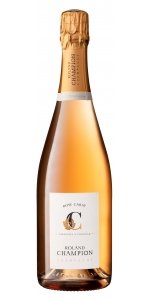
Roland Champion Champagne Brut Rose Grand Cru NV is the blend of 33% Chardonnay, 33% Pinot Meunier and 33% Pinot Noir.
The Champagne rose shows an orange salmon color coming from the red wine base. The pinot meunier brings red fruit aromas of strawberry and raspberry with hints of spices. The palate is juicy and harmonious with good depth and minerality. A delicate balance between Chardonnay, Pinot Meunier and Pinot Noir.
It is a blend of 93% White juice (made from 33% Chardonnay, 33% Pinot Meunier and 33% Pinot Noir) and 7% Pinot Noir red wine. The grapes used to produce the Coteaux Champenois red wine are coming from their vineyards near the Village of Verneuil.
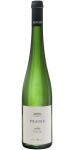
Franz Prager, co-founder of the Vinea Wachau, had already earned a reputation for his wines when Toni Bodenstein married into the family. Bodenstein’s passion for biodiversity and old terraces, coupled with brilliant winemaking, places Prager in the highest echelon of Austrian producers.
Smaragd is a designation of ripeness for dry wines used exclusively by members of the Vinea Wachau. The wines must have minimum alcohol of 12.5%. The grapes are hand-harvested, typically in October and November, and are sent directly to press where they spontaneously ferment in stainless-steel tanks.
Klaus sits adjacent to Achleiten and is one of the Wachau’s most famous vineyards for Riesling. The vineyard is incredibly steep with a gradient of 77% at its steepest point. The southeast-facing terraced vineyard of dark migmatite-amphibolite and paragneiss produces a tightly wound and powerful wine. The parcel belonging to Toni Bodenstein was planted in 1952.
Tasting Notes:
Austrian Riesling is often defined by elevated levels of dry extract thanks to a lengthy ripening period and freshness due to dramatic temperature swings between day and night. “Klaus is not a charming Riesling,” says Toni Bodenstein with a wink. Klaus is Prager’s most assertive and robust Riesling.
Food Pairing
Riesling’s high acidity makes it one of the most versatile wines at the table. Riesling can be used to cut the fattiness of foods such as pork or sausages and can tame some saltiness. Conversely, it can highlight foods such as fish or vegetables in the same way a squeeze of lemon or a vinaigrette might.
Review:
Superbly cool, restrained and refined, this austere, beautiful dry riesling is a slow-burn masterpiece that's only just beginning to reveal its complex white-peach, white-tea, wild-herb and dark-berry character. Super-long and mineral finish. Drink or hold.
-James Suckling 97 Points
-75x150.jpg "Maranones Garnacha Vinos de Madrid Sierra Gredos 2022")
“Marañones is so to say our signature vine. This is why the winery was named after this location.
It is part of the mountain at 800 m in altitude, oriented North. We find there the three types of granite of San Martin: the white granite, the brown and the pink. Each vineyard at Marañones has a different soil. Some are on a hill. Others are more towards the plains.
In this wine we wish to convey the Marañones area so representative of the whole winery. this is why we make this wine from the great Garnacha grape. We use a mix of vines since it is not a Parcela wine, which would be much more delicate and of more limited production.
The 100 percent Garnacha expresses itself fully, both in the nose and in the mouth, with flavours of blackthorn, a sensation of fleshy fruit retaining a slightly crispy texture. Then comes a full silkiness, with the granularity of these granite soils rich in quartz. That nugget of quartz is noticeable in the texture, length, fineness, elegance and the floral element of the wine.”
bright, ruby Grenache with wild herb, flower and crunchy red fruit flavors. Sharp tannins add structure to this full-bodied wine.



