" We don't sell the wine without touching the vine "
| BUY MORE! SAVE MORE! | ||||||||||||||||||||
|
| Country: | United States |
| Regions: | California California (Napa) |
| Winery: | Harlan Estate |
| Grape Type: | Cabernet Sauvignon |
| Organic: | Yes |
| Vintage: | 2021 |
| Bottle Size: | 750 ml |
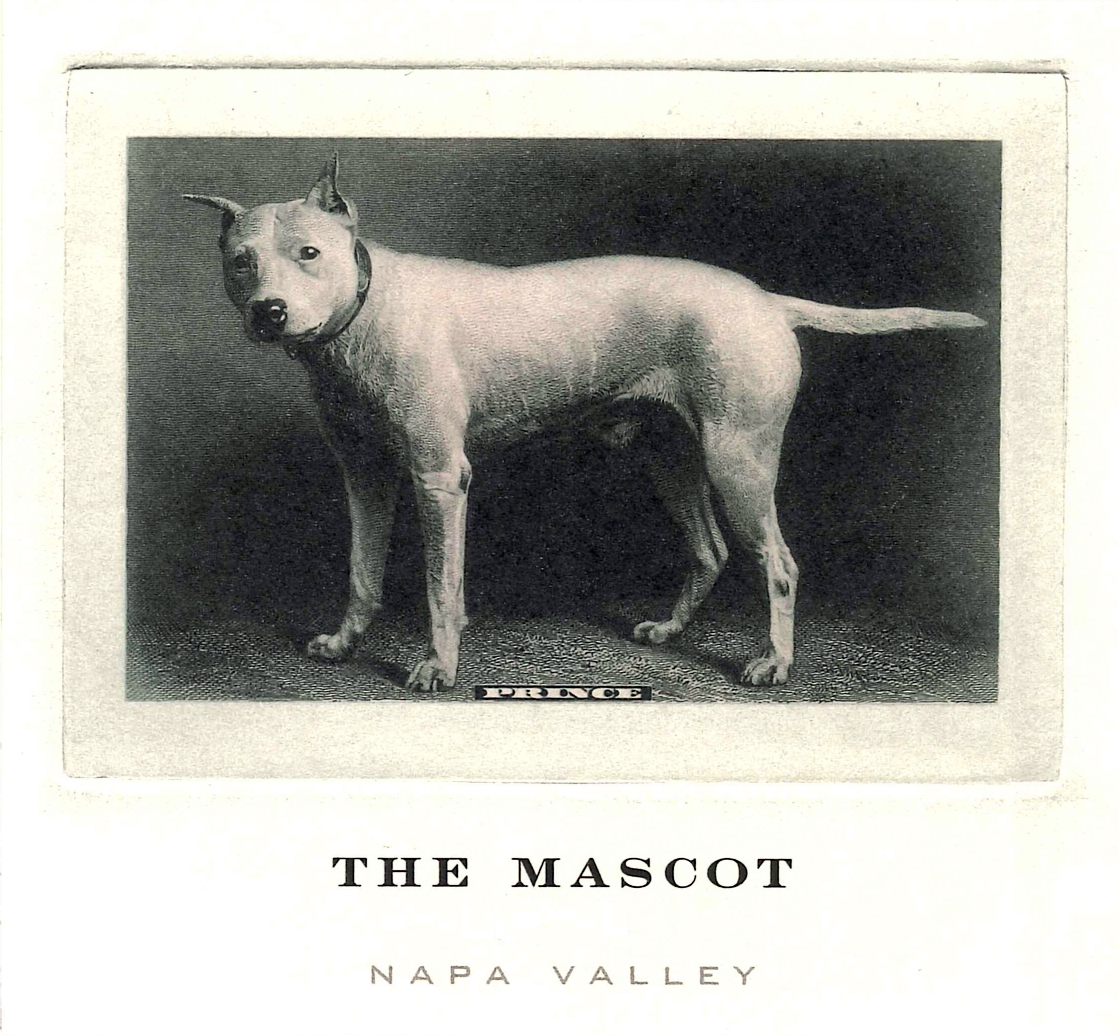
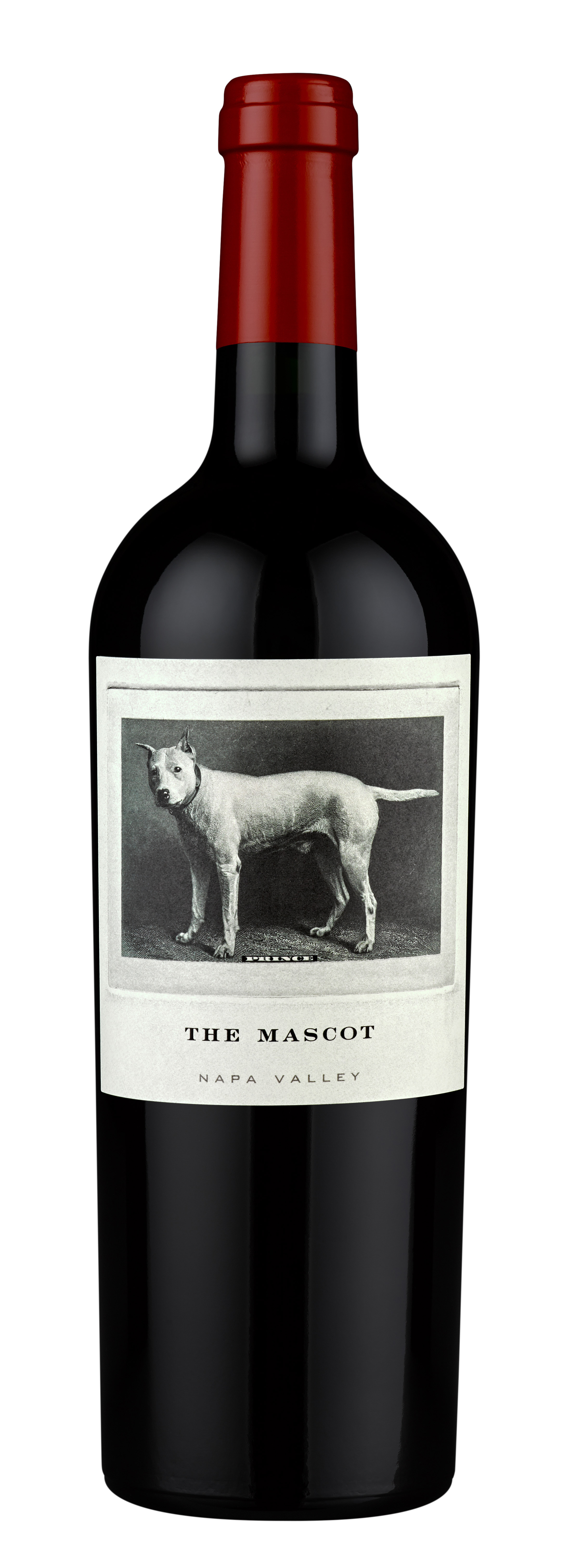
Mascot is a small-production label founded by Will Harlan in Napa Valley. The wines under this label are made from the younger vines of Harlan Estate, BOND, and Promontory, but The Mascot bottles share an exclusive preview at the development of their estates. Founded as an initial experiment to see what the young vines were capable of producing, the wines were initially only shared with close friends and family. By 2008, Will officially released the first vintage to the public since production had increased significantly. They create just one wine made from Cabernet Sauvignon, and the bottle is aged for five years before release. Assembled into a single, youthful expression, this wine shares a glimpse into the evolution and pedigree of its parent estates.
"Harlan Estate might be the single most profound red wine made not just in California, but in the world." Robert M. Parker, Jr., The Wine Advocate
"Winemakers believe that the land speaks to them of possibilities. A winemaker’s goal is to express those possibilities, to capture the best of what the land has to offer." Bob Levy, Director of Winegrowing
The true beginning of Harlan Estate dates to 1984 in the western hills of Oakville, California, the heart of Napa Valley. The Harlan family had a plan to create a California equivalent of a Bordeaux first growth, producing a wine that would command global praise. Harlan is known for their estate wine, and their second label, The Maiden.
In 1997, Harlan founded BOND in collaboration with winemaker Bob Levy to again produce more prestigious wines from Napa Valley. It’s hard to say exactly why the wines are as good as they are, except to point to obvious factors, such as location, terroir and the talents of Harlan’s longtime team, but they have undoubtedly earned their supreme cult status.

The Grade Cellar Kingly Project Cabernet Sauvignon is made from Napa Valley Cabernet Sauvignon.
"This is a noble expression of Cabernet Sauvignon" in full regalia, with decadent aromas and a mouthfeel viscous and sleek. "This vintage of the Kingly Project Cabernet Sauvignon enters the scene" -- Thomas Rivers Brown
Review:
-Vinous 96 Points

The Peumo Vineyard is located 170 m above sea level and extended along the Cachapoal River, on terraces of hills of the Coastal Mountains. The vines come from pre-phylloxera cuttings and are trellised to vertical shoot position and cordon pruned. The soils are deep with an upper layer of clay that retains moisture, which controls the vines’ vigor and growth and allows them to remain active through late May, when the Carmenere is picked.
Deep, dark red with hints of violet. Elegant and mineral on the nose, with notes of blackberry and a touch of blackcurrant. It fills the palate with underlying mature tannins. Deep, concentrated, with a long aftertaste and distinctive hints of the Peumo terroir. This 2018 vintage is characterized by its elegance and freshness; it is a wine with a lot of Carmenere character. Pairs best with elegant but simply prepared dishes such as juicy, rare roast beef, veal, pork tenderloin with roasted beets and cranberries, duck (con t or magret). Also delightful with squash-stuffed pasta with morel mushrooms or aged goat cheese with figs.
Review:
-Descorchados 98 Points

Kosta Browne Sonoma Coast Pinot Noir is made from 100 percent Pinot Noir.
Dark cherry, raspberry, and elderberry intertwine with intriguing hints of fresh basil, and pomegranate. Decadent fruit flavors unfold, showcasing remarkable acidity with dynamic structure and an enduring finish.
Our Appellation Series wines embody our unwavering commitment to exploration and the artistry of crafting soulful, thought-provoking wines that pay homage to the world’s extraordinary terroirs.
The Sonoma Coast is the largest appellation in Sonoma County, strongly influenced by its proximity to the ocean and heavy rainfall—producing more than twice the annual amount of its inland neighbors.
Our Sonoma Coast vineyards span the northern true coastal zone and the southern edge of the appellation. This distinctive blend is made from 11 different clones, fermented in predominantly stainless steel, and aged for 16 months in 38% new oak. The resulting wine has an energetic acidity with cascading layers of black cherry and elderberry, followed by a lasting finish.
Fact of Note: This Sonoma Coast blend was the longest to ferment in stainless steel from our Appellation Series.
Review:
-Decanter World Wine Awards 94 Points

Joseph Phelps Insignia is made of 93% Cabernet Sauvignon, 5% Petit Verdot and 2% Malbec.
The 2019 Insignia opens with heady aromatics of red fruit, crème de cassis, leafy tobacco and delicate dried rose petals. The palate is juicy and dense with expressive layers of blackberry, raspberry, black currant, and dark chocolate. A dynamic wine offering captivating energy, length, complexity and refinement. The 2019 Insignia marks the first vintage to include fruit from the new Joseph Phelps vineyard named El Venadito, located in the Oak Knoll District, just south of the winery’s Yountville Vineyard.
Review:
-Jeb Dunnuck 99 Points

Our DuMOL Estate Vineyard is our original high-density vine planting from 2004. It’s organically farmed without irrigation – these vines work hard each season. We make a strict selection for this bottling, one of our flagship wines, so that only three acres of its nine total comprise this bottling; the balance forms the core of Highland Divide. This is the best of the best. The high vine density and exclusively Calera Selection produce a wine with a significant level of both tannin and acidity. This structure is buffered by a deep core of fruit extract, the product of the ripe grape skins themselves, and the essence of the wine. Each vintage can age for many years, and it gradually deepens into a woodsy, truffley, and enveloping wine with grand scale complexity while never relinquishing its inherent brightness.
The wine’s aromas and flavors are akin to black cherry, boysenberry, hibiscus, anise, moss, and juniper. The palate is simultaneously bright yet dark, with mineral drive, violet floral lift, and bay laurel freshness. Tannins and acidity fuse to lengthen these flavors, and the wine finishes with dried herbs and orange zest lift. Great aging potential. Drink between 2025 and 2034 and decant for an hour in its youth to hasten the development.
Review:
-The Wine Independent 97 Points

ER3 is the very essence of balance and delicacy – the intensity of Côte des Blancs grand crus and the complexity of its perpetual reserve are combined with immense finesse.
ER3 reveals an extremely delicate, blush pink hue. The nose is superb, with a beautifully complex and delicate aromatic palette that offers up aromas of white flowers, redcurrant, and wild strawberry, before unveiling slightly smoky notes. With a particularly fine and ethereal effervescence, the mouth is fresh and vibrant with superb white fruit and citrus evolving into more complex notes of candied fruit, soft spices, and toasted almonds. The finish is incredibly persistent, underpinned by a magnificent chalky minerality.
The wine is aged on lees in the dark in our cellars for three years.
Chardonnay 75% – Pinot Noir 25% / This edition has been made from a base of the 2018 vintage. / Disgorged in May 2022. / Dosage: 4.5 G/L.
Review:
-Wine Spectator 95 Points

Mascot is a small-production label founded by Will Harlan in Napa Valley. The wines under this label are made from the younger vines of Harlan Estate, BOND, and Promontory, but The Mascot bottles share an exclusive preview at the development of their estates. Founded as an initial experiment to see what the young vines were capable of producing, the wines were initially only shared with close friends and family. By 2008, Will officially released the first vintage to the public since production had increased significantly. They create just one wine made from Cabernet Sauvignon, and the bottle is aged for five years before release. Assembled into a single, youthful expression, this wine shares a glimpse into the evolution and pedigree of its parent estates.
Tasting Notes:
Following a vintage full of changing conditions and demanding decision points, the steady and pleasant progress of the 2018 vintage left our team, at times, in limbo. Contradictory as it may seem, the dramas that sometimes punctuate the definitive months for the growing season help to frame the winegrowing team’s course of action; yet the tranquil succession of weeks that emerged between spring and fall in 2018 left almost entirely open the question of when to harvest. Healthy rainfall in March and April preceded a benevolent summer, whose mildness was interrupted only briefly by a few warming periods. The fruit of the young vines maintained a measured balance that gave the team little indication that harvest was imminent. Fog and temperate days followed in September, when—relying more on instinct than empirical cues—we began to pick. This judgment—as well as the gentle nature of the season—is confirmed in the subtle, ethereal power of the vintage, which reveals itself first in the deep, brooding aromas of dark fruit, black tea, and herbal notes. The texture expands around a lifted structure, as powdery tannins gently resolve. This diffused, enigmatic softness is anchored on the mid-palate by a gratifying density, which prepares the senses for a flourish of hidden energy and vivid detail that illuminates the finish.
Mascot is a small-production label founded by Will Harlan in Napa Valley. The wines under this label are made from the younger vines of Harlan Estate, BOND, and Promontory, but The Mascot bottles share an exclusive preview at the development of their estates. Founded as an initial experiment to see what the young vines were capable of producing, the wines were initially only shared with close friends and family. By 2008, Will officially released the first vintage to the public since production had increased significantly. They create just one wine made from Cabernet Sauvignon, and the bottle is aged for five years before release. Assembled into a single, youthful expression, this wine shares a glimpse into the evolution and pedigree of its parent estates.
Tasting Notes:
A mild winter with scant rainfall introduced the 2020 growing season. Conditions remained pleasantly even-keeled throughout the spring, except for some light precipitation in March. It is worth noting that decades of research and steady viticultural progress have enabled our vines to begin achieving tannin and textural ripeness earlier in the season, and this fact—along with the drought conditions experienced in preceding years—led to one of the earliest picking windows in our history. This development proved crucial to the 2020 vintage, when we were fortunate to have fully completed our harvest before the Glass Fire began in late September. A vibrant purity manifests within this vintage’s generosity, which advances without excess of weight or volume. Aromas of gentle red fruit give way, eventually, to a savory darkness and finely wrought core. An effortless, structural tension transforms into a silky softness on the palate that envelopes The Mascot’s inner depth and dimension. The 2020 vintage resonates rather than roars: its intricate threads of tannin, acidity, and nuance interweave to form a complete expression that shimmers with sensory detail.

Dominus Napa Valley Red Blend is made from 88% Cabernet Sauvignon, 7% Cabernet Franc, 5% Petit Verdot.
The historic Napanook Vineyard, a 124-acre site west of Yountville, was planted in 1838. This vineyard was the source of fruit for some of the finest Napa Valley wines. Estate-bottled in the spirit of the Bordeaux châteaux, Dominus Estate is dry-farmed to allow natural stress and good concentration of fruit. Grape clusters are crop-thinned to allow sun and air to pass in between, helping to achieve full maturation and soften the tannins. Only 20% to 40% new French oak barrels are used in order to limit the extraction of oak notes. To express the unique terroir, the classic Bordeaux grape varietals of Cabernet Sauvignon, Merlot, Cabernet Franc and Petit Verdot are planted with different root stocks best suited for the varying soil composition of gravel, heavy clay and loam.
Reviews:
One of the legendary Dominus, the 2021 Cabernet Sauvignon is unquestionably in the same league as the 2018, 2016, 2015, 2013, 2010, and 1991, and to my mind, wine simply doesn't get any better. Sporting a dense purple hue as well as an incredible perfume of blackcurrants, crushed stone, cedar pencil, smoke tobacco, and baking spices, it s rich, full-bodied, and voluptuously textured, with ripe yet building tannins. It reminds me slightly of the 2010 (maybe the 2013), and I suspect it will have a similar evolution. Hide bottles for 7-8 years, and it will evolve gracefully for 30+ years. Hats off to the team of Christian Moueix and director Tod Mostero.
Jeb Dunnuck 100 Points

Realm Cellars Bard Red Blend is made from a blend of 83% Cabernet Sauvignon, 7% Merlot, 6% Cabernet Franc, 3% Petit Verdot, 1% Petite Sirah.
The 2021 is the largest and most complex blend we've ever made with dozens of components from vineyards across the realm of Napa Valley. This vintage includes new vineyard sources from Calistoga, Rutherford and Oak Knoll AVA, allowing us to broaden our painter’s palette. The Bard is generally more approachable in its youth than some of our single vineyard bottlings, but we expect it to age for many years to come. This is our first time using a technical cork for this wine, which should guarantee consistency and improve longevity.
Blend: 83% Cabernet Sauvignon, 7% Merlot, 6% Cabernet Franc, 3% Petit Verdot, 1% Petite Sirah.
Review:
-Jeb Dunnuck 98 Points
Dominus Napa Valley Christian Moueix Red Blend is made from 87% Cabernet Sauvignon, 9% Cabernet Franc, 4% Petit Verdot.
Dominus Estate is the Napa Valley property of Bordeaux producer Christian Moueix. The wine is bottled from the historic Napanook Vineyard. Located at the foothills of the Mayacamas, the vineyard was planted in 1838 and continues to evolve under the stewardship of Christian Moueix. The estate's Bordeaux varietals benefit from the Yountville microclimate where temperatures are moderated by cool breezes from the San Pablo Bay. The resulting wine is a uniquely refined expression of this special terroir. The 2023 vintage is seductive and deep with notes of cedar, oriental spices, wild berry, and cocoa, followed by a finely etched finish.
Reviews:
Black currant, pencil shaving, subtle sandalwood, wet earth, forest floor and violet aromas follow through to a medium- to full-bodied palate with ultra-fine tannins that integrate perfectly at the end. A polished and caressing texture that goes on for minutes. The balance and drinkability of this Dominus is terrific, and it will age beautifully. A blend of 87% cabernet sauvignon, 9% cabernet franc and 4% petit verdot. From organically grown grapes. Very drinkable now, but will age beautifully.
James Suckling 99 Points
"The aromatics are a little more contained than the Napanook, knitted down with savoury incense and charred sandalwood, and a texture that even visually is rich and supple. Through the palate, things move slowly and deliberately, tobacco, musk, ocean spray, iris, with layers of sweet red liquorice, olive tapenade, latte, crushed rocks, broth, cranberry, just a beautifully crafted wine that is so enticing you could drink it now, but that promises to reward long ageing. 40% new oak, Tod Mostero winemaker, Christian Moueix owner. A late harvest from October 7-18. Drink 2026-2045."
-Jane Anson 100 Points

Dominique Piron Morgon Cote du Py is made from 100 percent Gamay.
The Morgon Cru is based in the heart of Northern Beaujolais. Côte du Py is the heart of Morgon, a little hill of very old blue stone rocks - the oldest soils of Beaujolais (around 430 millions years old), with a typical blue color.
Côte du Py has been known for centuries for being the best terroir of the village, producing long lived wines with strong structure and flavors.
Wines of the Côte du Py are very dark, profound and dense. Classic aromas of red berries, cherry, kirsh. Fruity, structured and mineral in the mouth with graphite flavors and spicy notes of black and white pepper. Wine can age up to 10 years.
Hand picked grapes are sorted manually and destemmed for 50 to 70%. Fermentation starts in concrete tanks and lasts for 18-25 days with remontages and pigeages. Then after pressurage starts the aging, for 2/3 in concrete tanks, and 1/3 in recent French oak barrels with batonages on fine lies only. After 10 month we do the blending, keeping only the best cuvees and best barrels, and do the bottling.
Pairs well with red meat like beef, duck and game (Hare, Dear, Wild Pork,…), cheses.
Review:
-James Suckling 91 Points

Antonio Camillo Mediterraneo 2025 is made from Ciliegiolo, with Grenache and Carignano. It is the easygoing Maremma red from Antonio Camillo, the grower who left Poggio Argentiera in 2006 to work his own old-vine hectares near Capalbio on the Tuscan coast, farming with a light, low-intervention touch.
A sunny blend of native and Mediterranean varieties, it is all about juicy drinkability: fresh red cherry and berry, a whiff of garrigue and sweet spice, bright acidity and soft tannins. Serve it lightly chilled with everything from pizza to grilled vegetables. A share of every bottle supports sea-rescue work in the Mediterranean.