
" We don't sell the wine without touching the vine "
Mataro- this is a grape type also known as Monastrell in Spain. It is a red grape variety with very dark skin and while common in the Mediterranean, it is also grown in Australia and California, where it is known as Mataro. Mataro thrives in climates that are warm and dry. Mataro grapes are ideal for producing wines high in tannin with concentrated color. The French call Mataro “Etrangle-Chien”, or dog strangler due to the intensely dry mouthfeel that accompanies this grape variety. Mataro is weighty on the palate with herb plant aromas. Combined with the high tannin, Mataro is often chosen as a component in blends. Wine made from 100 percent Mataro are not common, however there are some single variety selections available. Mataro grown in France is often used in blends with Cotes du Rhone and Chateauneuf du Pape. The Bandol region is considered a sanctuary for Mataro. Because Mataro is highly susceptible to phylloxera, and was almost annihilated in the 1880s due to the outbreak, the sandy soils of Bandol offered refuge and the grapes are still there today. Rose wine grown in Bandol is most sought after because of the tannic properties of Mataro. Mataro ripens latest during harvest and is therefore last to be picked. Bandol has had success in planting the grapes on hills facing South to absorb more warmth in order to ripen more quickly.
-150x300.jpg "Thorn Clarke Single Vineyard Mataro 2019")
Thorn Clarke Single Vineyard Mataro is made from 100 percent Mataro.
The Single Vineyard Selection range focuses on single site, small batch wines, highlighting the true characteristics of each individual variety. Each block is hand selected by our winemaker and viticulturist each year, choosing the wines that best reflect the strengths of each individual vintage.
Striking with its inky red color and purple hues, a hallmark of a classic vintage. On the nose, briary black fruits are in abundance. Notes of Chinese five spice and currants also shine through. On the palate, blackberries and winter spice are evident. The generous and silky tannins in this wine support a long and complex finish.
The grapes were destemmed and fermented in 4 tonne open fermenters for a period of 10 days. The wine was pressed off into 10 year old oak where it was matured for a duration of 18 months before being racked in preparation for bottling. This wine has no filtration.
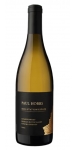
Colored in pearlescent pale straw tones flecked with gold, our 2022 chardonnay from Russian River Valley’s cool Green Valley opens with a refreshing swirl of clover and fresh-cut alfalfa laced with spring blossoms around hints of white peach and citrus that open to crisp Fuji apple and warm baking spice. Apple notes carry through in the mouth over complex layers of crème caramel and butterscotch, all lifted with the bright energy of juicy acidity and savory oyster shell minerality. The rich, structured finish is touched with sea salt—the briny tension in elegant balance with a touch of new oak.
Green tint to the light yellow color. A very tight 2022 for this hot vintage, showing tension and focus. Medium- to full-bodied with super integrated tannins that show such length and intensity. It gives a beautiful nod to grand cru Burgundies of yesteryear. Love this. Drink or hold.
-James Suckling 97 Points
Technically from Green Valley of the Russian River Valley, the 2022 Chardonnay Ross Station Estate is a bright yellow green hue and comes from the Hudson Vineyard, which sits on pure Goldridge soils and includes some of the later ripening Calera clones. Aged 18 months in barrel, the wine has a Grand Cru-like richness and layered depth. In the glass, it shows off a wonderful bouquet of candied apple, honeysuckle, lemon oils, and almond. The palate is rounded, with a silky texture and great acidity that propels it through the palate to its long finish with notes of almond. This is an exceptional wine to drink over the next 10-12 years. 460 cases were produced. Drink: 2024-2036.
-Jeb Dunnuck 97 Points

Larroque Bordeaux Blanc is made from 73% Sauvignon Blanc and 27% Colombard.
No oak.
Color : Pale yellow with green tints.
Nose : Complex aromas of white flowers, exotic fruits, citrus and boxwood, with a touch of minerality.
Mouth : Aromatic, with a nice richness and freshness. Predominant flavors of tart, crisp fruit.
Marie-Christine, the daughter of Henri Ducourt, purchased this prestigious left-bank property in 1979, which lies on the border of the Graves appellation.
The 60-hectare vineyard was rapidly replanted and the château building, which dates from 1348, was restored.
Our family now produces three different-colored wines there: red, white and rosé.
Grown on loamy-clay soil.
Harvest : Machine harvesting in the cool, early morning
Maceration : Skin-contact maceration for several hours, depending on ripeness, and pressing
Fermentation : Beginning of the cold alcoholic fermentation (12°C / 53°F) then an increase in temperature to finish the fermentation at 20°C / 68°F.
Enjoy this wine as an aperitif or during the meal with fish, seafood or chicken salad.



