
" We don't sell the wine without touching the vine "
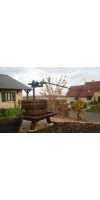
The Domaine Michel Thomas Estate
Michel Thomas and his son Laurent took over the estate in 1970 from Michel's father, who started in 1946. The total production is about 10,000-12,000 cases per year. They export 65-70% of their production, mainly to Japan and Russia.
The Domaine Michel Thomas Vineyard
Today they farm 40 parcels located in four villages, totalling 17 hectares (42 acres): 11 hectares Sauvignon, 6 hectares Pinot Noir. The special bottling "Silex" is limited each year to between 400-500 cases. They grow grapes on three soil types: 40% Terre Blanche-Argilo-Calcaire, 40% Caillottes-calcaire, 20% Le Roc-Silex.

All older vintage wines have been purchased from a single collectors cellar. Pictures can be requested before shipment.
All older vintage wines have been purchased from a single collectors cellar. Pictures can be requested before shipment.
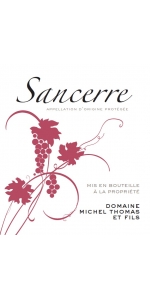
Thomas Sancerre Rose is made from 100% Pinot Noir.
Vines are 20-55 years old.
Terroir (soil type) is a blend of "Caillottes" and "Terre Blanche".
Everything is machine harvested (which means it is 100% destemmed).
50% Direct press + 50% Saignée (bled) with 12-24 hours of skin contact maceration.
The alcoholic fermentation is done in temperature controlled stainless steel tanks.
Right before bottling, the wine is fined with Bentonite (very light filtration with oenologic clay).
Tasting Notes:
Light, bright pink. Redcurrant, strawberry and chalk on the nose, with a touch of singed orange gaining strength with air. Dusty red fruit and citrus flavors are braced by tangy minerality, which adds lift and cut. Uncompromising in the best way, finishing with excellent clarity and echoes of lemon and orange zest.
Food pairings:
This is a very versatile wine. You can have it on its own in the summer time as an apéritif. But it is also excellent with Hors d'Oeuvres and terrines. It will compliment any white meat dish and poultry. You can also enjoy it with salmon or exotic food (slightly spicy sushi).
Thomas Sancerre Rose is made from 100% Pinot Noir.
Vines are 20-55 years old.
Terroir (soil type) is a blend of "Caillottes" and "Terre Blanche".
Everything is machine harvested (which means it is 100% destemmed).
50% Direct press + 50% Saignée (bled) with 12-24 hours of skin contact maceration.
The alcoholic fermentation is done in temperature controlled stainless steel tanks.
Right before bottling, the wine is fined with Bentonite (very light filtration with oenologic clay).
Tasting Notes:
Light, bright pink. Redcurrant, strawberry and chalk on the nose, with a touch of singed orange gaining strength with air. Dusty red fruit and citrus flavors are braced by tangy minerality, which adds lift and cut. Uncompromising in the best way, finishing with excellent clarity and echoes of lemon and orange zest.
Food pairings:
This is a very versatile wine. You can have it on its own in the summer time as an apéritif. But it is also excellent with Hors d'Oeuvres and terrines. It will compliment any white meat dish and poultry. You can also enjoy it with salmon or exotic food (slightly spicy sushi).
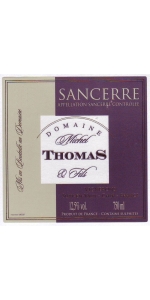
Michel Thomas Sancerre Blanc is 100% Sauvignon Blanc (40% Caillottes, 40% Grosses Terres, 20% Silex)
The wine displays an exotic nose with a touch of smoke and licorice. On the palate, peach and watermelon dominate with citrus zest and chalk notes.
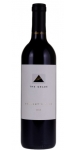
The Grade Cabernet Sauvignon Serpent's Back Napa Valley is made from 100 percent Cabernet Sauvignon.
Review:
The 2019 Cabernet Sauvignon Serpent's Back shows a more aromatic, high-toned side of this site. Bright red/purplish berry fruit, pomegranate, cinnamon and sweet floral accents are all laced together. The Serpent's Back is the most refined of these three Cabernets, but it has plenty of Calistoga punch.
-- Antonio Galloni 95 Points
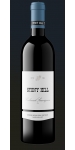
From the volcanic soils in the blocks residing at the summit of Stony Hill's vineyard, their 2019 Cabernet Sauvignon is showing beautifully. 2019 was a warm year with late spring rains and a true, dry fall finish. e late spring rains imbued wines with a characteristic freshness and tension, balanced by a generous fruit profile. Bing cherry, cassis, pomegranate seed, singed bay leaf, and cacao sings from the glass. The palate receives a structure showing breadth and presence with lacey tannins and a delicate, persistent finish.



