
" We don't sell the wine without touching the vine "
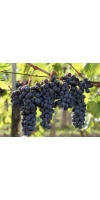
A black skinned grape that is planted through the central and southern parts of Italy, Montepulciano is rarely found in northern Italy because it tends to ripen late. The grape will be quite green if harvested to early. When the is ripe, Montepulciano can produce wonderful wines with moderate acidity that are deep in color. Montepulciano is appreciated around the globe for its strong color, gentle tannins, and soft flavors. Montepulciano wines are most often enjoyed when they are young with a good meal. The Montepulciano grape ripens late and has a tendency to produce an abundance of yields. Montepulciano are on the plump side with a low skin to juice ratio. The skin has pigmented tannins and color producing phenols that produce pink cerasuolo wines or deep ruby colored reds when macerated. Montepulciano has a moderately low acid content and is softer than bitter edged tannins. Wine experts describe Montepulciano as producing plumy and weighty red round wines with ripe tannins, good acidity, and low price tags. Smooth drinkable wines will improve three to four years after vintage. Small quantities of Montepulciano are grown in Australia, the United States, and New Zealand. Some of the wines that have been produced are showing real promise, but are still recognized as being in the experimental stage of wine production.
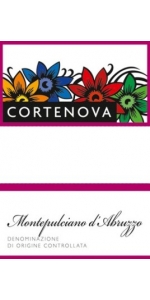
Cortenova Montepulciano d' Abruzzo is made from 100% Montepulciano d'Abruzzo
Deep ruby red color with violet highlights and a pleasant and fruity bouquet. Full bodied, soft tannins and good acidity.
Excellent with pasta dishes and red meats.
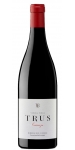
Trus Ribera del Duero Crianza is made from 100 percent Tempranillo.
Trus - an acronym for T-tierra (soil), R-roble (oak), U-uva (grape), S-sol (sun) - aims to reflect the uniqueness of each vintage, the aging potential of the wine in the bottle over the years.
Trus takes its roots in Palacios Vinos de Finca, the estate that was founded in 1999, then purchased by Javier Palacios who decided to focus on producing wines that express the purity and typicity of the Ribera terroirs.
The estate vineyards are located in Piñel de abajo, Pesquera de Duero, Quintanilla de Arriba. The winery also partners with winegrowers in Moradillo, Roa, Nava, Peñaranda or Baños de Valdearados. The clay-limestone soils of the high-altitude vineyards define the intense and complex personality of the wines. That is why Trus wines can be defined as classic, because an avant-garde look is the one that is directed towards the soil, preserving a typicity that is marked from its deepest roots.
Trus Crianza reveals a clean and bright cherry color with Burgundian tones at the rim. The nose is very intense and complex, offering ripe black fruits and liquorice aromas, toasty and vanilla nuances, spices and balsamic notes. The wine is tasty and unctuous on the palate, a perfect harmony between acidity and alcohol. Fresh and friendly mouthfeel, the ripe and soft tannins provide structure and great length. Long finish, ripe fruit aftertaste with a smoky and spicy finish.
Review:
"A plush and fabulous expression of variety and provenance with well-integrated alcohol, tannin and acidity. Will continue for several years and mellow. Be warned – one glass will be quickly followed by the next."
- Decanter World Wine Awards 2021, 96 points - GOLD MEDAL
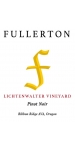
Fullerton Lichtenwalter Pinot Noir is made from 100% Pinot Noir - 10 years old
12 months in 100% neutral French Oak
On the western slope of the south-facing Ribbon Ridge sits the lovely Lichtenwalter Vineyard. Here Willakenzie soils, derived from ancient sedimentary seabed, coax black fruits and concentrated spices out of the wines.
Aromas of blackcurrant, blueberry, blackberry, and black cherry with concentrated spices followed by hints of sandalwood, smoke and oolong tea. Depth in the mid-palate pairs with balanced acidity, and so, yet structured tannins. The Willamee Valley’s smallest AVA speaks clearly and compellingly through this wine.
This wine comes from 100% destemmed rotator barrels fermented at ambient temperature reaching a peak temperature of 73° F. The rotator barrel spun twice daily during fermentation yielding a gentle extraction. Aer fermentation, the wine went through a three-week extended maceration, allowing the tannins to polymerize, soening the wine. Aged for 12 months in French oak barrels and three months in tank, the wine was then boled aer filtration.



