
" We don't sell the wine without touching the vine "
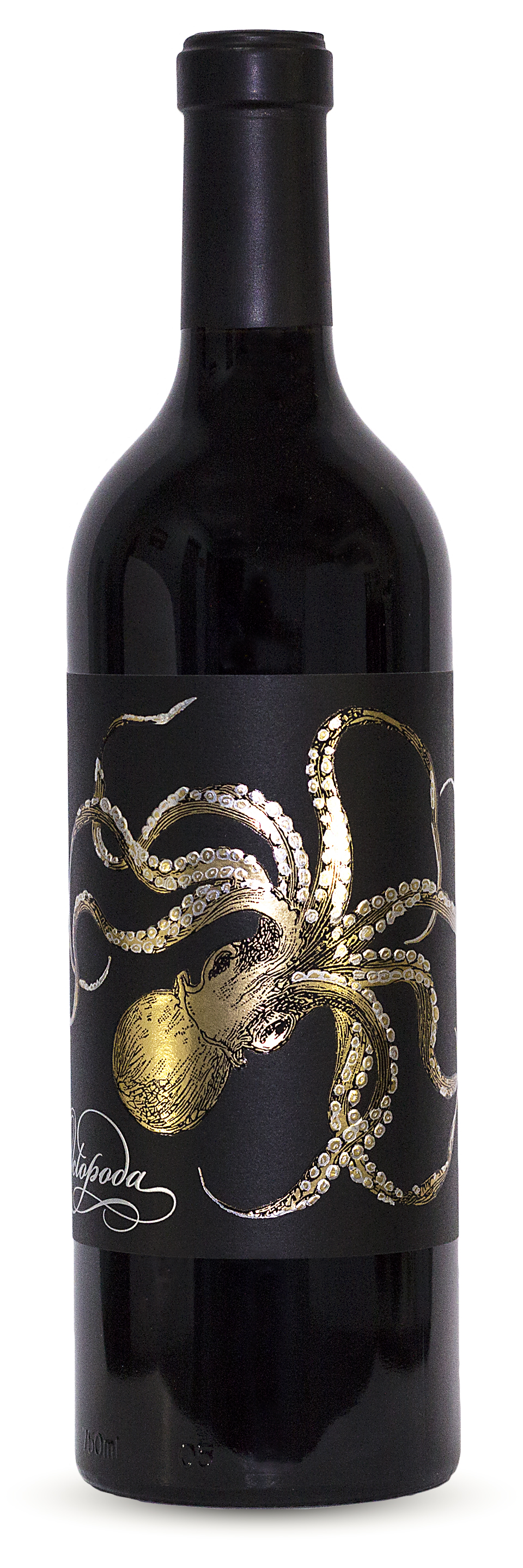
| Country: | United States |
| Regions: | California California (Napa) |
| Winery: | Precision Wine Company |
| Grape Type: | Cabernet Sauvignon |
| Organic: | Yes |
| Vintage: | 2019 |
| Bottle Size: | 750 ml |
This 100% Cabernet Sauvignon offers an incredible aroma of big black, rich fruit, spring flowers, graphite and toast. Full-bodied with stunning concentration and flavors of dark cherries, black plum, melted milk chocolate. Well integrated French oak, this well balanced wine has supple, but ripe tannins and a lengthy finish. From a single vineyard in Oakville. 14 months in 60% new French oak, Excellent value for Oakville-Napa Valley. Just 350 cases produced.
Cardinale Napa Valley Cabernet Sauvignon is made from 91% Cabernet Sauvignon, 9% Merlot.
Super structured and with minerality to spare, this Cabernet Sauvignon offers a real presence on the palate from start to finish. Generous notes of dark chocolate balance beautifully with a blue and black fruit flavor explosion, finishing with a subtle whisper of rose petal.
Reviews:
- James Suckling 98 Points
The Grade Cabernet Sauvignon Serpent's Back Napa Valley is made from 100 percent Cabernet Sauvignon.
Review:
The 2019 Cabernet Sauvignon Serpent's Back shows a more aromatic, high-toned side of this site. Bright red/purplish berry fruit, pomegranate, cinnamon and sweet floral accents are all laced together. The Serpent's Back is the most refined of these three Cabernets, but it has plenty of Calistoga punch.
-- Antonio Galloni 95 Points
The Grade Cabernet Sauvignon Serpent's Back Napa Valley is made from 100 percent Cabernet Sauvignon.
Review:
The 2019 Cabernet Sauvignon Serpent's Back shows a more aromatic, high-toned side of this site. Bright red/purplish berry fruit, pomegranate, cinnamon and sweet floral accents are all laced together. The Serpent's Back is the most refined of these three Cabernets, but it has plenty of Calistoga punch.
-- Antonio Galloni 95 Points
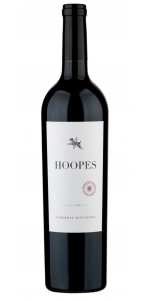
Hoopes Cabernet Sauvignon Napa Valley is made from 100 percent Cabernet Sauvignon.
“Made with the same care and thoughtfulness of our single vineyard series, the Hoopes Napa Valley Cabernet Sauvignon is a blend of fruit from a rich variety of sites. The synthesis of these vineyards, which represent the complex tapestry of Napa terroir, results in sublime balance, intense aromas and luscious textures that bring the diverse valley into harmony in a glass. Born out of curiosity, this Cabernet Sauvignon has matured into a stunning wine, which over delivers in intensity and richness. We are proud of this beautiful example of what the Napa Valley can do.”
This wine has a very pretty fruit-forward nose filled with plummy sweet tarts, cherry compote, cocoa nibs, hard candy, cedar box, and allspice. The entry is fresh and clean with a core of delicious generous fruit. It has a lovely elegant texture, weighty middle and resolves into a mocha filled finish.
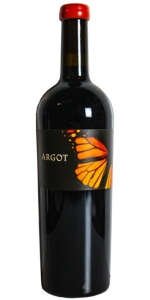
A dramatic, ridgetop landscape — rising 1500 feet above Lake Hennessey, staring west over Pritchard Hill — persistently influenced by a push/pull draw between The Valley’s floor and Lake Berryessa. This wild, untamed, eastern frontier of Napa Valley, produces singular, terroir-driven wines of captivating beauty, power and lift. An unseasonably wet and cool springtime produced significant shatter at Sage Ridge in 2019, reducing our yields by 50%, leading to a particularly flamboyant edition of this wine.
An incomparable expression of Cabernet Sauvignon — massively pure red fruit character, delivered on a ribbon of ultra-suave tannins and gorgeously seductive high tones. The palate never relents its come-hither posture. Aromatically, puts forth an intriguing botanical complexity that is unmistakably site-specific. As our experience with this one-of-a-kind terroir deepens, we remain endlessly excited for the potential of these unique ridgetop vineyards. Get your hands on a bottle and pull the cork…a wine built for immense near-term gratification.
Review:
"Deep garnet-purple colored, the 2019 Cabernet Sauvignon Sage Ridge Vineyard opens with open-knit notes of plum preserves, baked blackberries and boysenberry jam, leading to a core of crème de cassis, mocha, camphor and Indian spices with a touch of unsmoked cigars. The palate is full-bodied, concentrated and dense with black fruit preserves, framed by soft tannins and seamless freshness, finishing very long and very spicy. Only 75 cases were made. - Lisa Perrotti-Brown"
- Robert Parker's Wine Advocate (November 2021), 95 pts
This 100% Cabernet Sauvignon offers an incredible aroma of big black, rich fruit, spring flowers, graphite and toast. Full-bodied with stunning concentration and flavors of dark cherries, black plum, melted milk chocolate. Well integrated French oak, this well balanced wine has supple, but ripe tannins and a lengthy finish. From a single vineyard in Oakville. 14 months in 60% new French oak, Excellent value for Oakville-Napa Valley. Just 350 cases produced.
Trevor Sheehan spent nearly 10 years collecting and trading some of the world’s finest wines and learning from masters of winemaking in Bordeaux and Burgundy before he decided to create his own value-based brands that showcase the unique characteristics of California wine regions. Trevor was first exposed to wine while he was at college in his native Texas and developed a taste for Burgundy which he started collecting. He began selling wine wholesale and eventually created Balius from 400 cases of Oakville Cabernet that wasn’t selling. In 2010, Trevor left Dallas and accounting for wine country and moved to Napa; here he founded Precision Wine Company. As the name suggests, Precision Wine Company is focused on attention to detail and precise commitment to quality by presenting a distinguished collection of wines (they showcase 46 brands, majorly for private customers) which express the complex and delicious California wine country flavors.
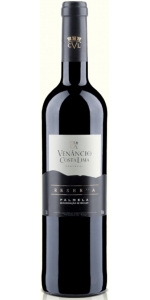
Venancio da Costa Lima Palmela Reserva is made from 100% Castelao (also known as Periquita)
Intense garnet color, complex nose with touches of ripe fruit, jam and spices, full-bodied flavor and a very balanced finish.
100% Castelao (also known as "Periquita" and "Joao de Santarem". As the most widely-grown red grape variety in Portugal it is still often referred to in Portuguese as Periquita, although that name is legally owned by José Maria da Fonseca in the Setúbal Peninsula outside of Lisbon. It is highly adaptable to different climatic conditions and its remarkable versatility enables winemakers to make a range of wines – from the easy drinking and quaffable reds and rosados to the powerful and intense reds perfectly suited to lengthy cellaring. Castelão comes into its own and is most expressive in the Sétubal Peninsula, where it makes meaty and intense wines with aromas of red berries and blue flowers that marry well with the deft use of oak.
Made from 45 year old vines.
Classic vinification at controlled temperature (25 °C) with prolonged maceration for phenolic extraction. Wine went through malolactic fermentation.
Wine was slightly fitered before bottling to avoid sedimentation in the bottle and to ensure stability.
Pasta, Cheese, red meat and game.
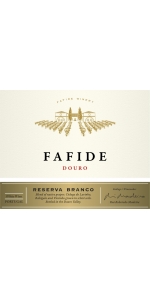
Quinta de Fafide Reserva Branco is made from 50% Codega do Larinho, 30% Rabigato, 20% Viosinho
In this wine we look for an aromatic concentration and high acidity of the grapes from the very old traditional vineyards of high altitude in Douro Superior, about 550 meters above sea level, showing the full character of the varieties of indigenous Douro old vines, giving very mineral and creamy wines. Mineral aroma, citrus and tropical fruit, fresh and full-bodied on the palate, buttery texture and complexity provided by fermentation and ageing in barrels.
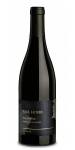
Paul Hobbs Russian River Pinot Noir is made from 100 percent Pinot Noir.
Sourced predominately from the estates that are defined by their proximity to the coast and Russian River climate, the wine displays vivid crimson and aromas of violet, Morello cherry, and black tea. Velvet tannins on the palate ride along a juicy backbone of flavors such as cranberry, Blood orange, and Damson plum. The finish is long, powered behind a crisp acidity and appealing red clay-like minerality.
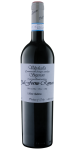
Dal Forno Romano Valpolicella Superiore is made from Corvina, Corvinone, Rondinella, Oseleta and Croatina grown at the Monte Lodoletta estate in the Val d'Illasi, eastern Valpolicella.
One of Italy's most iconic producers, Romano Dal Forno revolutionized Valpolicella winemaking with an obsessive pursuit of quality. The grapes are hand-harvested with meticulous selection, then dried for approximately 45 days in the estate's patented, computer-controlled appassimento rooms. After pressing, the wine is fermented in custom-designed stainless steel tanks and aged for 24 months in new French oak barrels, followed by extended bottle aging before release.
Deep ruby in color with aromas of blueberry, blackberry, cherry and cocoa. Full-bodied and opulent on the palate with powerful yet polished tannins, layers of dark fruit, sweet spice, tobacco and chocolate. Despite its remarkable concentration, the wine maintains an elegant freshness and balance. Pairs beautifully with grilled or roasted red meats, game and aged cheeses.
14.5% ABV
A perfumed and elegant wine with subtle aromas of balsamic, coconut, dark bramble fruit, jasmine, mulberries, red cherries and chocolate. It’s spicy rather than fruity. On the palate it shows salted chocolate flavors and a full body. It’s crisp, zesty and velvety, with creamy tannins and a graphite finish. It shows tension despite its concentrated style. It will be released in January 2027. Try then or hold.
-James Suckling 97 Points



