
" We don't sell the wine without touching the vine "
Our production philosophy revolves around Ornellaia’s obsession with excellence – at all levels. Every choice we make is of absolute importance and implies an all-consuming attention to detail. At no point in the production process are shortcuts allowed or tolerated, and this is how we succeed harvesting grapes that are of the very highest quality irrespective of the climatic conditions in that particular year.
During the harvest period analysis and empiric testing enables us to determine which grapes to pick and in which order. The tasting of the grapes allows us to better ascertain the ripeness of the tannins and the balance within the bunches in order to establish the optimum harvest time and the vinification technique for the grapes from each parcel of land. We then subject each and every grape to a double selection process. On the first table the quality of the bunches is checked, while during a second control every single piece of vegetation is removed.
The grapes from each vineyard ferment separately in individual tanks, in this way each individual base wine (of which there are more than 60) contributes its own character to creation of the final blend according to the specific conditions of the vineyard area from which it comes : a combination of soil type, climatic exposition, grape variety, … Only after a period of 12 months of ageing in French oak barrels will the base wines be selected and blended according to 2 principal criteria : the elegant expression required by Ornellaia and the character of vintage itself.
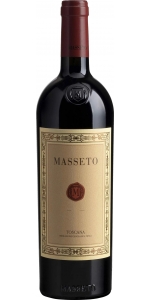
Masseto 2020 is a wine that has embraced all the key traits of the vintage. It displays excellent concentration both in terms of colour and bouquet. They remain persistent and vivid in the glass without subsiding over time. The potency of this wine returns on the palate with beautiful length and balsamic flavours. The integrity of the tannin reveals the ageing potential typical of Masseto.
Review:
Intense and full on the nose, fragrant with ripe black fruit, floral aspects and soft spicing. Round and full on the palate, it's rich and muscular yet tight and neatly coiled with a liquorice, graphite, pepper, cinnamon and clove tang that gives this immediate but enjoyable spice. Feels well worked, juicy with high acidity that lifts the palate and gives freshness and brightness alongside really quite mouthwatering strawberry and raspberry fruit with such captivating dried floral and bitter orange rind aspects. Tannins are super fine and so well integrated yet this maintains a grip and hold from the very beginning through to a long and sustained finish. Nuanced and complex, still packing a punch in terms of power, but this feels sophisticated, suave, purposeful and controlled. Not elegant, this is more of a caged animal with it's full potential yet to be unveiled, but it is classy. A truly delicious wine with so much purity and sense of place. Malolactic fermentation in 100% new barroques, with each batch kept separate for the first 12 months of ageing before being blended and returned to barriques for another year, totaling 24 months. The wine was then aged for a further 12 months in bottle before being released.
-Decanter 100 Points
Saumaize-Michelin Pouilly-Fuisse “Clos sur la Roche” is made from 100 percent Chardonnay.
Produced from the oldest parcel of the estate dating back from 1979 and planted on the slopes of the Vergisson Rock, "Clos sur la Roche" benefits from a south sun exposure. This beautiful Chardonnay offers abundant floral and white fruit aromas, toasty and buttery notes and brioche scents. Well-balanced and concentrated on the palate with a rich structure and refreshing notes of zesty lemon and mineral purity that brings a vibrant energy to the finish.
Complex aromas of soft citrus fruits and minerals. Densely packed and fresh, with intense, complex flavors of white fruit as well as a hint of spice. The finish is very firm, long but not dry.
This site is now a Premier Cru!

Garnet red in the glass. The nose is full of red cherry, raspberry, and black currant, backed by rose pedal, cinnamon, clove, porcini, toasted vanilla, rosemary blossom and thyme. Ripe strawberry, sour cherry, and damson plum, give way to an airy, and velvety texture reigned in by a firm acidic backbone. The long finish is full of floral character, backed by sweet earth and loads more spice.
Alcohol:12.9%
Acid TA: 5.7 g/L
pH: 3.45



