
" We don't sell the wine without touching the vine "

| Country: | United States |
| Region: | New York |
| Grape Type: | Chardonnay |
| Vintage: | 1993 |
| Bottle Size: | 750 ml |
All older vintage wines have been purchased from a single collectors cellar. Pictures can be requested before shipment.

All older vintage wines have been purchased from a single collectors cellar. Pictures can be requested before shipment.
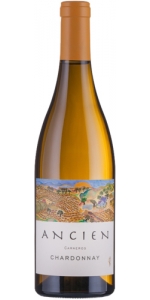
Ancien Chardonnay Carneros is made from 100 percent Chardonnay.
Chardonnay Carneros owes its style, depth, and structure to intensely flavored, low yielding, heirloom clones growing in two Carneros vineyards: on the Napa side, the Toyon Farm and on the Sonoma side, the Sangiacomo Vella Ranch. Ancien Wines hand-selected the cuttings themselves, from older vineyards in the Carneros area. These cuttings are reputed to have origins tracing to Paul Masson who imported them from Burgundy in the early 1940’s, from Louis Latour's renowned Corton Charlemagne vineyard. These selections are often referred to as “Old Wente”or “Robert Young,”denoting the sourced mother blocks in the 1960s.
Notes of ripe apple and honeydew melon greet and are delicately perfumed by notes of freesia and citrus blossom. Brighter notes of lime and Meyer lemon match the refreshing acidity of this wine, balanced by a creamy palate and leading to a finish that will continue to lengthen in the coming months. A wonderfully textured and vibrant Chardonnay displaying the best of Carneros.
Chardonnay Carneros is guided toward a layered, complex, and expressive style that develops gracefully in the bottle and shows enticing minerality, vivacious fruit, length and structure. The watchword is balance. Grapes were pressed as whole clusters, settled and fermented entirely in French oak from four different coopers, chosen for their unique synergism and support of the fruit on the palate. One third of the barrels were new. A variety of yeasts were used, including native strains, and fermentation proceeded evenly and slowly, averaging a cool 55°F. The wine was aged on its yeast lees, which were stirred weekly through the spring.
Clear, golden straw, with a slight greenish tinge. The nose is intense with yellow apple, Calamansi lime, apricot, quince, white flowers, flinty minerals, and brioche. The palate is light and quaffable.
Alcohol: 12.5%
Acid TA: 6.34g/L
pH: 3.22
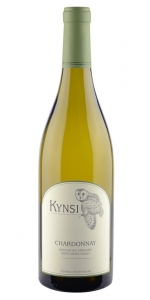
Kynsi Chardonnay Bien Nacido Vineyard is made from 100 percent Chardonnay.
A complex nose of white nectarine, marzipan, citrus peel and pineapple upside down cake with a full palate, offering nuanced flavors of Asian pear, lemon curd and Calimyrna fig.
The Bien Nacido Vineyard is located in the Santa Maria Valley on the South Central Coast of California, just east of Santa Maria. The topography of the valley features transverse ranges with an east/west orientation, opening up to the Pacific Ocean. The climate is strongly influenced by the ocean providing ideal temperate growing conditions for Chardonnay. Early spring warming, mild summer temperatures and late arriving cold fall temperatures provide a long growing season for the development of rich color along with concentrated and complex flavors.
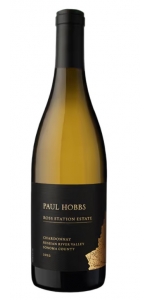
Colored in pearlescent pale straw tones flecked with gold, our 2022 chardonnay from Russian River Valley’s cool Green Valley opens with a refreshing swirl of clover and fresh-cut alfalfa laced with spring blossoms around hints of white peach and citrus that open to crisp Fuji apple and warm baking spice. Apple notes carry through in the mouth over complex layers of crème caramel and butterscotch, all lifted with the bright energy of juicy acidity and savory oyster shell minerality. The rich, structured finish is touched with sea salt—the briny tension in elegant balance with a touch of new oak.
Green tint to the light yellow color. A very tight 2022 for this hot vintage, showing tension and focus. Medium- to full-bodied with super integrated tannins that show such length and intensity. It gives a beautiful nod to grand cru Burgundies of yesteryear. Love this. Drink or hold.
-James Suckling 97 Points
Technically from Green Valley of the Russian River Valley, the 2022 Chardonnay Ross Station Estate is a bright yellow green hue and comes from the Hudson Vineyard, which sits on pure Goldridge soils and includes some of the later ripening Calera clones. Aged 18 months in barrel, the wine has a Grand Cru-like richness and layered depth. In the glass, it shows off a wonderful bouquet of candied apple, honeysuckle, lemon oils, and almond. The palate is rounded, with a silky texture and great acidity that propels it through the palate to its long finish with notes of almond. This is an exceptional wine to drink over the next 10-12 years. 460 cases were produced. Drink: 2024-2036.
-Jeb Dunnuck 97 Points
A very deep purple, red in color. This wine showcases Shiraz with its depth of Barossa Valley and the alluring, aromatic freshness of Eden Valley. Vibrant aromas of dark cherries, anise and red raspberry. A distinctive wine with richness and dark berry, fruit compote palate. Perfectly balanced, elegant and refined.
Enjoy with beef filet, roast beetroot and horseradish, or Korean fried cauliflower.
This blend of Barossa Valley (67%) and Eden Valley fruit hails from five parcels averaging 80 years old, the oldest planted in 1854. Intensely concentrated in hue and muscular flavour. Spicy and mineral to the nose and palate, with glimpses of violets. Its iodine and liquorice-edged black cherry and blueberry flavour is succulent, but still in the grip of the sinewy, charry oak, making for an imposing, slightly austere finish. A powerhouse.
Saturated ruby. Heady aromas of ripe dark berries, cherry liqueur, vanilla and incense, with smoky mineral and exotic spice accents building in the glass. Seamless in texture and deeply concentrated, offering palate-staining black and blue fruit, floral pastille and mocha flavors that turn sweeter with air. At once plush and lively, finishing extremely long and smoky, with repeating dark berry and floral notes and velvety tannins.
-Vinous 96 Points
Weller-Lehnert Piesporter Michelsberg Riesling is made from 100 percent Riesling.



