" We don't sell the wine without touching the vine "
| Country: | United States |
| Region: | Oregon |
| Winery: | Patton Valley Vineyard |
| Grape Type: | Pinot Noir |
| Vintage: | 2019 |
| Bottle Size: | 750 ml |
Patton Valley Petillant Naturel Riesling is made from 100 percent Riesling.
Good friends and good wine make this funny world go ‘round, right? Without those friends letting us buy some of their precious Riesling, we couldn’t make this delicious wine. Even if we did have to beg. A little.
We are using some really great vineyard sites to make this wine, and they are as diverse as they are excellent. Preserving the inherent “riesling-ness” is as important here as making this sparkle, so we’ve been extra careful to be clean, true, and simple with this. Native yeast ferments and minimal handling with fastidious cleanliness make this an absolute natural wonder. A small dosage of organic sugar kicks off the bottle ferment to make it sparkle.
This smells like apples, pears, apricot, and the sea. Not kidding. The palate is fizzy, fun, and fresh with an appley bite and pear - almond lushness. All angles and elbows, the lees and sediment widen the palate with pleasing breadth.
VINEYARDS:
25% Norris McKinley, Ribbon Ridge AVA - LIVE
50% Windridge, Chehalem Mountains AVA - LIVE
25% Wascher, Dundee Hills AVA - USDA Organic
pH: 3.04
The nose here is brilliantly red fruited, with layer upon layer of subtle spice, bright floral notes, herbs, and stone. Its not all poetry and pageantry, though, and the first impression of the wine was simply, “oh that’s goooood.” A fair assessment, and sometimes that it all one requires. Further tastes show fine tannin throughout, a juicy, vibrant mouthfeel that is very likeable, and deft, long-developing layers of fruit that reveal themselves severally.
Patton Valley's flagship wine, The Estate is the most comprehensive expression of their vineyard site, and the wine that truly defines their place in a given vintage.
Review:
"Glistening red. Vibrant red fruit, floral and spice scents show very good clarity that picks up subtle hints of succulent herbs and smoky minerals with air. Juicy and energetic in the mouth, the 2017 offers gently sweet cherry raspberry and rose pastille flavors and a touch of spicecake. Smooth, well-integrated tannins make a late appearance on a long, floral-tinged finish that shows no rough edges.
- Josh Raynolds" - Antonio Galloni's Vinous (August 2020), 92 pts
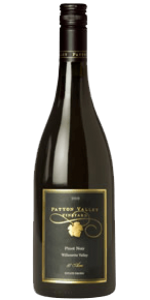
The contrast between our 10 Acre and West Block Pinot noirs exemplifies how slight geographical differences can have significant influence on the flavor profile of a wine. Planted in 1997, The 10 Acre block of Pinot noir is the oldest planting on the Patton Valley Estate Vineyard. Located on the east-facing slope of our vineyard, this area gets full sun in the cool morning hours, leading to a slower, more gradual ripening process and a wine that is typically elegant and lighter in body with prevailing red fruit character.
The 2011 10 Acre Pinot noir shows abundant aromatics, immediately woodsy but overwhelmingly fresh with lavender and red plum, sweet caramel and malt. The palate is lush and broad with sweet cherry, cigar box, and the faintest hint of peat smoke. Soft and very subtle tannins give this wine a solid backbone. A great acid profile makes this wine likely to offer boundless enjoyment when consumed in the short term, or if given some time to rest, the distinct potential of becoming something much more profound. Drink now or cellar 5-8 years.
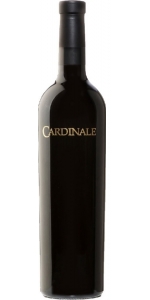
Cardinale Napa Valley Cabernet Sauvignon is made from 91% Cabernet Sauvignon, 9% Merlot.
Super structured and with minerality to spare, this Cabernet Sauvignon offers a real presence on the palate from start to finish. Generous notes of dark chocolate balance beautifully with a blue and black fruit flavor explosion, finishing with a subtle whisper of rose petal.
Reviews:
- James Suckling 98 Points
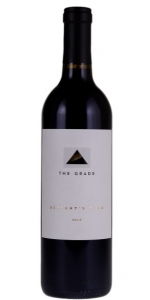
The Grade Cabernet Sauvignon Serpent's Back Napa Valley is made from 100 percent Cabernet Sauvignon.
Review:
The 2019 Cabernet Sauvignon Serpent's Back shows a more aromatic, high-toned side of this site. Bright red/purplish berry fruit, pomegranate, cinnamon and sweet floral accents are all laced together. The Serpent's Back is the most refined of these three Cabernets, but it has plenty of Calistoga punch.
-- Antonio Galloni 95 Points
The Grade Cabernet Sauvignon Serpent's Back Napa Valley is made from 100 percent Cabernet Sauvignon.
Review:
The 2019 Cabernet Sauvignon Serpent's Back shows a more aromatic, high-toned side of this site. Bright red/purplish berry fruit, pomegranate, cinnamon and sweet floral accents are all laced together. The Serpent's Back is the most refined of these three Cabernets, but it has plenty of Calistoga punch.
-- Antonio Galloni 95 Points
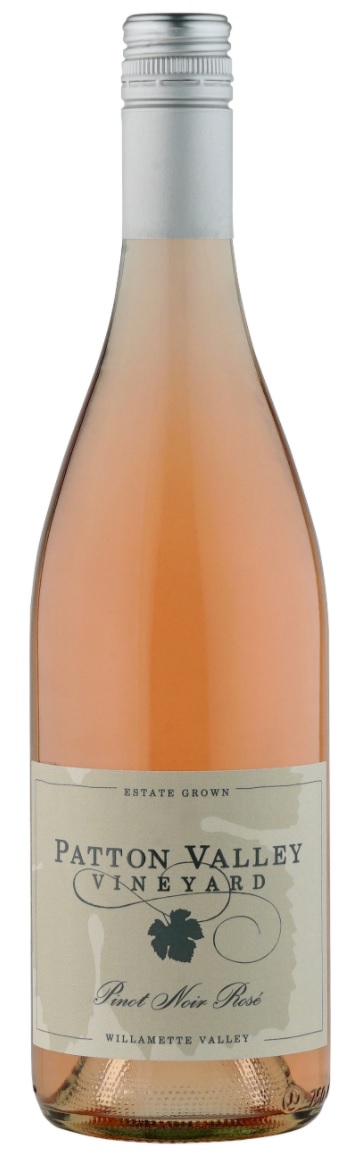
Patton Valley Rose is made from 100 percent Pinot Noir.
Its beautiful salmon-pink color hints at the enjoyment that awaits you. Alluring aromatics spill out of the glass, with scents of fresh-cut ripe strawberry, candied rose petal, cotton candy and bubble gum harmonizing together and inviting deeper inspection. In the mouth, the first sensation is one of volume and a cacophony of lush ripe fruit flavors, followed by a zingy, green apple acidity and a slight mouth-watering frizzante, the trademark of Patton Valley Rosé. One glass is never enough.
The Patton Valley Vineyard Estate
Patton Valley Vineyard was founded in 1995 by Monte Pitt and Dave Chen, two former business school classmates. The estate is located in Washington County, just north of the town of Gaston. Jerry Murray joined the team as Cellar Master and Assistant Winemaker.
The Patton Valley Vineyard
Located in the northern reach of the Willamette Valley, the vineyard is sited on a hill with views of Patton Valley to the southwest and the Tualatin Valley to the east. This is a 72-acre parcel with the ideal combination of soil, exposure and elevation. The vineyard currently consists of 23 acres planted to a diverse selection of Pinot noir clones. Utilizing sustainable farming practices, coupled with intense hands-on viticulture and low-impact winemaking techniques, they produce wines that are true to the variety and to their particular site, striving for balanced wines with supple texture, richness and ripe fruit flavors.
Mollydooker Velvet Glove Shiraz is made from 100 percent Shiraz.
Sticky plum jam and spicy nutmeg aromas are alluringly prominent on the nose, whilst berries and mocha weave
and envelop your entire palate. The finish is incredibly smooth and silky, with elegant fruit flavors that linger in your mouth. An outstanding example of a perfectly balanced Shiraz from McLaren Vale.
Review:
The stunning 2022 ‘The Velvet Glove’ is a stunning wine coming from the Gateway Vineyard in McLaren Vale. Stored in all new American oak barrels before bottling, this delivers a glassstaining purple, with blueberry pie and boysenberry cordial notes alongside tar, anise, Cuban cigar and suggestions of Black Forest cake on the nose. The absolutely gorgeous aromatics bring you back to the glass for more hedonistic pleasure. This is obviously big, bold and heady, but has remarkable freshness and seamless texture. This is very weightless stuff that will have a long life ahead of it. But why wait?
-Owen Bargreen 99 Points

Lydian Cabernet Sauvignon is made from 100 percent Cabernet Sauvignon.
Lydian was established in 2019 as a new way to experience Washington wine. The team behind the fast-rising success of Avennia brings you another delicious wine that serves as an introduction to a lifetime of wine appreciation and a fresh take on Washington terroir.
In music, Lydian refers to a musical mode, or scale that is used as a building block for some of the world’s oldest and newest masterpieces. This happy sounding mode brings joy on its own, yet when molded and crafted by talented musicians can become a work of timeless art.
We believe Washington vineyards produce some of the finest building blocks in the world. With these grapes, and the collective talent behind those growing and working with them, Lydian wines can be as complex, nuanced, and profound as any jazz classic.
Lydian: a fun, fresh take on Washington Wine.
Full bodied and rich, with black cherry, currant, dark chocolate, and fresh herbs. Great Washington Cabernet character and structure.