
" We don't sell the wine without touching the vine "
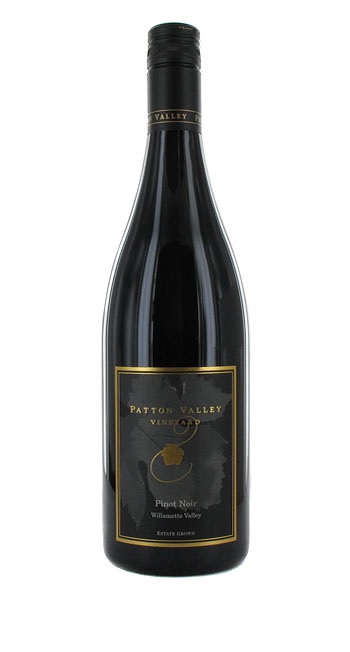
| Country: | United States |
| Region: | Oregon |
| Winery: | Patton Valley Vineyard |
| Grape Type: | Pinot Noir |
| Vintage: | 2013 |
| Bottle Size: | 750 ml |
The contrast between our 10 Acre and West Block Pinot noirs exemplifies how slight geographical differences can have significant influence on the flavor profile of a wine. Planted in 1997, The 10 Acre block of Pinot noir is the oldest planting on the Patton Valley Estate Vineyard. Located on the east-facing slope of our vineyard, this area gets full sun in the cool morning hours, leading to a slower, more gradual ripening process and a wine that is typically elegant and lighter in body with prevailing red fruit character.
The 2011 10 Acre Pinot noir shows abundant aromatics, immediately woodsy but overwhelmingly fresh with lavender and red plum, sweet caramel and malt. The palate is lush and broad with sweet cherry, cigar box, and the faintest hint of peat smoke. Soft and very subtle tannins give this wine a solid backbone. A great acid profile makes this wine likely to offer boundless enjoyment when consumed in the short term, or if given some time to rest, the distinct potential of becoming something much more profound. Drink now or cellar 5-8 years.
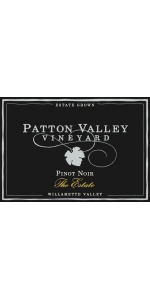
The nose here is brilliantly red fruited, with layer upon layer of subtle spice, bright floral notes, herbs, and stone. Its not all poetry and pageantry, though, and the first impression of the wine was simply, “oh that’s goooood.” A fair assessment, and sometimes that it all one requires. Further tastes show fine tannin throughout, a juicy, vibrant mouthfeel that is very likeable, and deft, long-developing layers of fruit that reveal themselves severally.
Patton Valley's flagship wine, The Estate is the most comprehensive expression of their vineyard site, and the wine that truly defines their place in a given vintage.
Review:
"Glistening red. Vibrant red fruit, floral and spice scents show very good clarity that picks up subtle hints of succulent herbs and smoky minerals with air. Juicy and energetic in the mouth, the 2017 offers gently sweet cherry raspberry and rose pastille flavors and a touch of spicecake. Smooth, well-integrated tannins make a late appearance on a long, floral-tinged finish that shows no rough edges.
- Josh Raynolds" - Antonio Galloni's Vinous (August 2020), 92 pts
Patton Valley Petillant Naturel Riesling is made from 100 percent Riesling.
Good friends and good wine make this funny world go ‘round, right? Without those friends letting us buy some of their precious Riesling, we couldn’t make this delicious wine. Even if we did have to beg. A little.
We are using some really great vineyard sites to make this wine, and they are as diverse as they are excellent. Preserving the inherent “riesling-ness” is as important here as making this sparkle, so we’ve been extra careful to be clean, true, and simple with this. Native yeast ferments and minimal handling with fastidious cleanliness make this an absolute natural wonder. A small dosage of organic sugar kicks off the bottle ferment to make it sparkle.
This smells like apples, pears, apricot, and the sea. Not kidding. The palate is fizzy, fun, and fresh with an appley bite and pear - almond lushness. All angles and elbows, the lees and sediment widen the palate with pleasing breadth.
VINEYARDS:
25% Norris McKinley, Ribbon Ridge AVA - LIVE
50% Windridge, Chehalem Mountains AVA - LIVE
25% Wascher, Dundee Hills AVA - USDA Organic
pH: 3.04
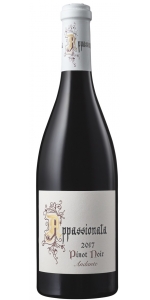
Appasionata Andante Pinot Noir Willamette Valley is made from 100 percent Pinot Noir.
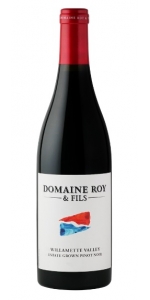
Maison Roy Willamette Valley Pinot Noir is made from 100 percent Pinot Noir.
The Willamette Valley Pinot Noir combines fruit from Roy's Dundee and Yamhill-Carlton estates. Gentle and suave, this Pinot offers inviting red fruit, baking spice, and a touch of purple floral tone. On the palate, a soft tannic structure makes this wine friendly and accessible in its youth and will keep drinking very well for the next 5-7years.
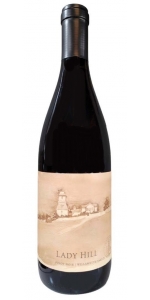
Lady Hill Pinot Noir Willamette Valley is made from 100 percent Pinot Noir.
A combo of garnet to cardinal highlights the hues of this fruit forward Willamette Valley Pinot Noir. Subtle floral hints of tea leaf and rose petal give way to a complexity of viney, brambled red and black fruit, wet moss and baking spices. A hint of savory jerky barrel nuance and turned earth contrast the freshness and vibrancy of boysenberry fruit. The finish is refined and juicy, as the elegant tannin structure builds into a crescendo of salivating acids built for food.
Pair with herb crusted pork loin, mushroom risotto drizzled with truffle oil, or a creamy textured Roucoulons cheese.
Up front, this wine is all red fruit with candied cherry and strawberry, accompanied by sweet pipe tobacco, zesty lemon and hints of bramble, boysenberry and flowers. Lighter and prettier than the 2010 vintage, the 2011 Estate Pinot noir is elegant with more cherry, subtle black pepper and English breakfast tea. The palate is lightly textured with balanced acidity, soft, supple tannins and a lengthy finish. Drink now or cellar for up to 10 years.
A cold, lingering, winter gave a late start to the 2011 growing season, and left us praying for a low fruit-set and a warm summer. Mother-nature had other ideas. Fruit-set was virtually perfect with nearly every berry in the young clusters maturing, yielding much heavier cluster weights than normal. With rigorous and frequent green thinning, we brought our crop-loads to under half of what they were early in the season, pushing ripeness in this mild and cool growing season. In October, growers were blessed with a sunny, dry Indian summer, giving us longer hang-time, and a beautiful picking window. The last bit of fruit was picked on November 2nd, making 2011 the latest harvest in Patton Valley history.
The Patton Valley Vineyard Estate
Patton Valley Vineyard was founded in 1995 by Monte Pitt and Dave Chen, two former business school classmates. The estate is located in Washington County, just north of the town of Gaston. Jerry Murray joined the team as Cellar Master and Assistant Winemaker.
The Patton Valley Vineyard
Located in the northern reach of the Willamette Valley, the vineyard is sited on a hill with views of Patton Valley to the southwest and the Tualatin Valley to the east. This is a 72-acre parcel with the ideal combination of soil, exposure and elevation. The vineyard currently consists of 23 acres planted to a diverse selection of Pinot noir clones. Utilizing sustainable farming practices, coupled with intense hands-on viticulture and low-impact winemaking techniques, they produce wines that are true to the variety and to their particular site, striving for balanced wines with supple texture, richness and ripe fruit flavors.
Long Shadows Feather Cabernet Sauvignon is made from 100 percent Washington State Cabernet.
Acclaimed Napa Valley vintner Randy Dunn has a reputation for producing world-class Cabernet Sauvignon. He brings more than four decades of winemaking experience to the Columbia Valley to produce Feather, his only wine made outside of California.
Tasting Notes: Deep crimson colored with pure and expressive Cabernet Sauvignon character. Generous aromas and flavors of dark fruits, violets, coffee and toasted herbs combine with a textured mid-palate to deliver a big, yet focused, wine with polished tannins and persistent finish.
Winemaking: Grapes were hand-harvested at the peak of ripeness, then lightly crushed and fermented in small stainless steel tanks. Once fermentation was underway, the cap was pumped over aggressively to extract color and structure. As fermentation neared completion, pump overs were handled more gently to further extract color and flavors without imparting harsh tannins. The finished wine was aged 22 months in 90% new Vicard French oak barrels (Randy's cooper of choice at Dunn Vineyards as well).
Alcohol: 14.4%
pH: 3.86
TA: 0.58 grams / 100ml
Review:
All Cabernet Sauvignon and a blend put together by Randy Dunn, the 2021 Cabernet Sauvignon Feather is inky purple-hued and offers a brilliant nose of cassis, new leather, graphite, and truffly earth. This rich, spicy, full-bodied Cabernet Sauvignon has terrific purity, a deep, layered mid-palate, and a broad, layered, expansive mouthfeel that keeps you coming back to the glass. Drink this remarkable Washington State Cabernet Sauvignon over the coming two decades.
-Jeb Dunnuck 97 Points
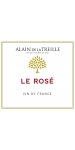
This dry Rosé is very aromatic on the fruitiness with a great style and elegance.
Average age of the vines is 25 years old.
We produce a part of this cuvee with 12 hours skin maceration and another part from directly pressed grapes.
Wine was slightly filtered before bottling to insure the wine remains stable.
This wine is the perfect friend for barbecue, salads and of course aperitif. This is ideal for warm days in the garden, as well as elegant poultry dishes.



