
" We don't sell the wine without touching the vine "
| BUY MORE! SAVE MORE! | ||||||||||||||||||||
|
| Country: | United States |
| Regions: | California California (Napa) |
| Winery: | Paul Hobbs |
| Grape Type: | Cabernet Sauvignon |
| Organic: | Yes |
| Vintage: | 2022 |
| Bottle Size: | 750 ml |
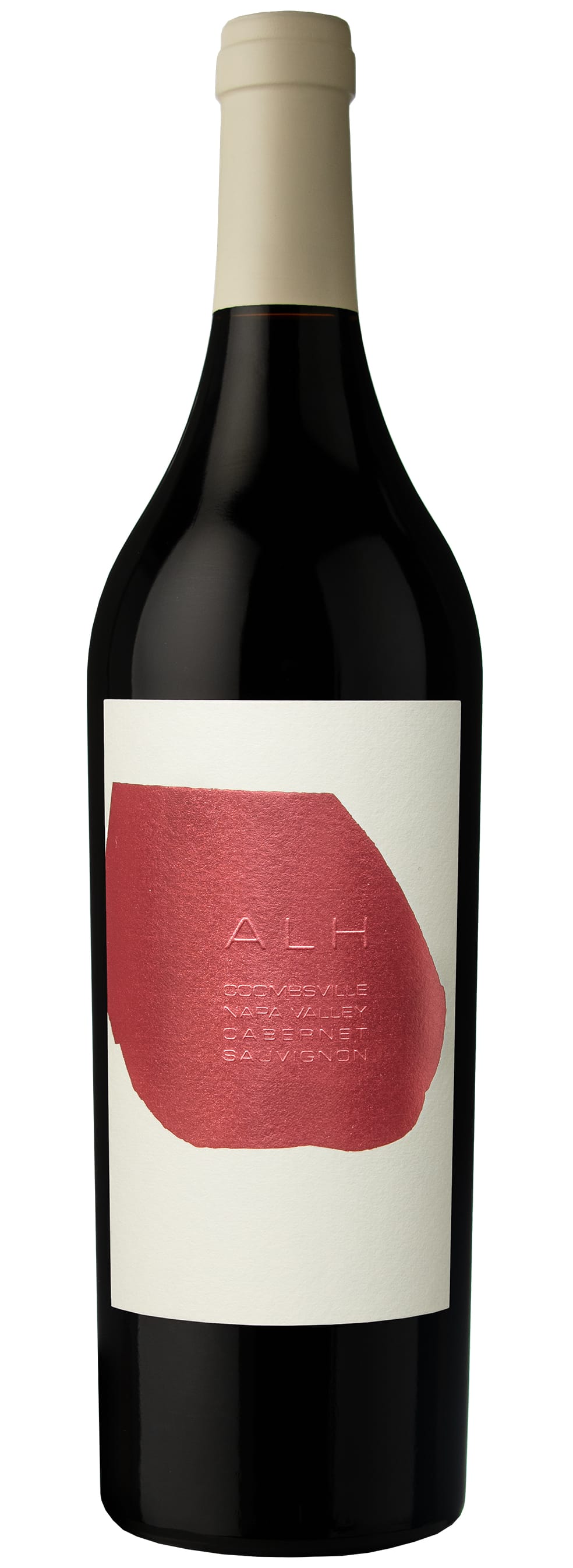
Paul Hobbs ALH Cabernet Sauvignon is made from 90% Cabernet Sauvignon, 7% Merlot, 3% Cabernet Franc.
This wine presents the eye with a magenta hue and a vibrant ruby red rim. The nose offers up an inviting bouquet of ripe red cherry, damp earth, and nuances of fresh violet. The palate is elegantly structured, with harmonious layers of fine-grained tannins and refreshing acidity. As the wine unfolds it reveals a sublime blend of black raspberry, wild thyme and dark cacao, while savory herbal notes add a further intriguing dimensional note. The finish is long and graceful with a touch of graphite—a hallmark of southern Coombsville's cool climate and rocky volcanic soils.
Review:
A cool, composed wine with gorgeous flavors and silky texture, showing blueberries, dark chocolate, pencil shavings, minerals, violets and pomegranate. Full-bodied yet light on its feet, this feels lacy and airy despite lots of depth and concentration.
James Suckling 96 Points
“The true character of a site is only revealed through the work and determination of tending each vineyard with meticulous care and vinifying with minimalist winemaking techniques that fully express the terroir.” – Paul Hobbs
In 1991, pioneering winemaker Paul Hobbs established Paul Hobbs Winery. The Paul Hobbs Katherine Lindsay Estate in Sebastopol, California, purchased in 1998, would later be the site of his Howard Backen designed winery, completed in 2003. The winery exemplifies his vision and dedication to sustainability and his on-going quest to refine the art of winemaking with minimal intervention, yet meticulous care. Our vineyard designate and appellation wines are a pure expression of our interaction with nature and place, featuring Chardonnay (Russian River Valley, Sonoma Mountain), Pinot Noir (Russian River Valley, Sonoma Coast, Carneros) and Cabernet Sauvignon (Napa Valley).

Paul Hobbs Coombsville Cabernet Sauvignon is made fro 85% Cabernet Sauvignon, 7% Cabernet Franc, 6% Petit Verdot, 2% Merlot.
Since our inaugural release last year, this wine has quickly become one of the most compelling in their portfolio. Offering a gorgeous deep purple hue, our 2019 captivates with a bouquet of crushed blueberry, summer savory spice, and a delicate tobacco leaf note. The palate is remarkably balanced with well-integrated
tannins and fresh acidity that wraps around boysenberry and black fig along subtle notes of rosemary and a crush rock minerality, which lends tension through the long finish.
Review:
A delicious, layered, chocolate- and cherry-scented wine that entices you from the first sniff and pulls you through a rich palate and a lingering finish. So luscious, balanced, vivid and deep, showing the silky tannins and cool fruit notes of this southern Napa district. Contains 6% petit verdot, 2% cabernet franc and 4% merlot. Aged in 53% new French oak.
-James Suckling 96 Points
A delicious, layered, chocolate- and cherry-scented wine that entices you from the first sniff and pulls you through a rich palate and a lingering finish. So luscious, balanced, vivid and deep, showing the silky tannins and cool fruit notes of this southern Napa district. Contains 6% petit verdot, 2% cabernet franc and 4% merlot. Aged in 53% new French oak. Drinkable now, but best from 2030.
-PinotReport 96 Points

Paul Hobbs Beckstoffer To Kalon Vineyard Cabernet Sauvignon is made from 100 percent Cabernet Sauvignon.
Farmed with a unique precision to match the unparalleled terroir of this historic Oakville site, this vintage is ethereal, delicate, and nuanced. An attractive deep garnet in appearance, this wine expresses soft red cherry, strawberry, floral, and graphite. The palate is full and lively with flavors of blueberry, blackberry, sandalwood, and dried herbs, supported by a lovely grip of tannins and well-tensioned texture that leads to a long, refined finish.
Review:
More expressive and open-knit, the 2019 Cabernet Sauvignon Beckstoffer To Kalon Vineyard sports a similar ruby/purple to go with an incredible array of black raspberry, cassis, flowery incense, orange blossom, smoked tobacco, and exotic spice. As are all To Kolans, it's incredibly perfumed and complex aromatically, and it's one of those wines that changes every time you come back to the glass. Full-bodied on the palate, it offers beautiful richness and depth, a light, graceful mouthfeel, silky tannins, and a heavenly finish. It's another magical wine from this talented winemaker that readers will absolutely love.
-Jeb Dunnuck 99 Points

At the foot of Spring Mountain, the vineyard produces soil and mineral-driven cabernet sauvignon with aromas of ripe blackcurrant and damp earth. A dense palate of blackberry and cassis flavors harmonize with intense mineral expressions bolstered by soft, lush tannins.
Review:
Superb aromas of blackberries, currants, crushed stones, conifer and wet earth. Menthol, too. Full-bodied with a dense center-palate, yet it remains agile and persistent. Lovely character and richness at the finish, but not overpowering. Another three or four years will make it better, but already gorgeous.
-James Suckling 98 Points

Paul Hobbs Edward James Estate Chardonnay Russian River Valley is made from 100 percent Chardonnay.
This small five-acre estate named after Paul's great-grandfather, Edward James, rewards us with a chardonnay that is pale straw in color with inviting aromas of lemon zest, red apple skin, gardenia, and honeysuckle. A creamy mouthfeel on the palate evolves into poached pear, ginger spice, and brioche that come together with a crunchy acidity and lively finish.
Review:
The 2022 Chardonnay Edward James Estate was named after Paul’s grandparents on his father’s side and originates in a vineyard planted entirely to Hyde Wente clone of Chardonnay. It was raised in French oak for 18 months on the lees. In the glass, it’s highly expressive and layered with aromas of toasted spice, incense, honeysuckle, quince, and preserved citrus. Medium to full-bodied, it has a fantastic, long, supple texture with a linear, crystalline feel, great, evenly fresh acidity, and a salty, mouthwatering finish. This is my favorite of the white wines at this tasting. Drink 2025-2037.
-Jeb Dunnuck 97 Points

Colored in pearlescent pale straw tones flecked with gold, our 2022 chardonnay from Russian River Valley’s cool Green Valley opens with a refreshing swirl of clover and fresh-cut alfalfa laced with spring blossoms around hints of white peach and citrus that open to crisp Fuji apple and warm baking spice. Apple notes carry through in the mouth over complex layers of crème caramel and butterscotch, all lifted with the bright energy of juicy acidity and savory oyster shell minerality. The rich, structured finish is touched with sea salt—the briny tension in elegant balance with a touch of new oak.
Green tint to the light yellow color. A very tight 2022 for this hot vintage, showing tension and focus. Medium- to full-bodied with super integrated tannins that show such length and intensity. It gives a beautiful nod to grand cru Burgundies of yesteryear. Love this. Drink or hold.
-James Suckling 97 Points
Technically from Green Valley of the Russian River Valley, the 2022 Chardonnay Ross Station Estate is a bright yellow green hue and comes from the Hudson Vineyard, which sits on pure Goldridge soils and includes some of the later ripening Calera clones. Aged 18 months in barrel, the wine has a Grand Cru-like richness and layered depth. In the glass, it shows off a wonderful bouquet of candied apple, honeysuckle, lemon oils, and almond. The palate is rounded, with a silky texture and great acidity that propels it through the palate to its long finish with notes of almond. This is an exceptional wine to drink over the next 10-12 years. 460 cases were produced. Drink: 2024-2036.
-Jeb Dunnuck 97 Points

The unique volcanic soil composition of this site is exhibited in this Cabernet’s mineral texture and intensely structured palate. This latest release from the exceptional 2018 vintage presents a deep purple rim surrounding an opaque garnet core with an abundance of aromas emerging from bakers’ chocolate and dark cherry to crème de cassis to tapenade. Both graceful and bold on the palate, the broad tannins are balanced by pulsing acidity that brings tension and freshness throughout. Notes of boysenberry are interspersed with accents of sweet thyme against a backdrop of crush rock minerality, adding to the long finish and layers of complexity.

Belle Glos Clark and Telephone Vineyard Pinot Noir is made from 100 percent Pinot Noir.
The Clark & Telephone Vineyard was established in 1972 and planted with “own root” Martini clone vines. Located just 13 miles from the ocean and situated on a west-facing slope, this vineyard experiences weather patterns that pull from west to east to bring cool fog and coastal breezes inland until August when Santa Ana winds begin.
We harvested early in the morning so the fruit would arrive at the winery while the grapes were still cool to preserve their vineyard-fresh flavors. After destemming (but not crushing) the berries, we cold-soaked the must for 14 days to soften the skins and allow for ideal extraction. During fermentation in a combination of closed and open-top stainless steel fermenters, we used both punch-down and pump-over techniques to extract color and phenolics. We aged the wine in 100% French oak (60% new) for up to 12 months. After the wine underwent malolactic fermentation, we racked it twice before bottling.
Deep ruby red in color with lush aromas of ripe cherry, nutmeg, dark chocolate and holiday baking spices. Bold and complex flavors of black plum, crushed raspberry and blueberry pie linger on the palate. The texture is rich and lively, and leads into a warm and structured finish.

Duckhorn Napa Valley Cabernet Sauvignon is made from 94% Cabernet Sauvignon, 5% Merlot, 1% Cabernet Franc .
True to their heritage of producing top-tier Cabernet Sauvignon, this wine showcases a seamless blend of elegance and strength. It begins with captivating aromas of dark red berries and cardamom, leading the way to a defined palate that showcases flavors of fig jam and boysenberry pie. Firm, dusty tannins provide a sturdy foundation, guiding you to a long, focused finish that denotes a harmonious blend of mountain and valley floor fruit.



