
" We don't sell the wine without touching the vine "
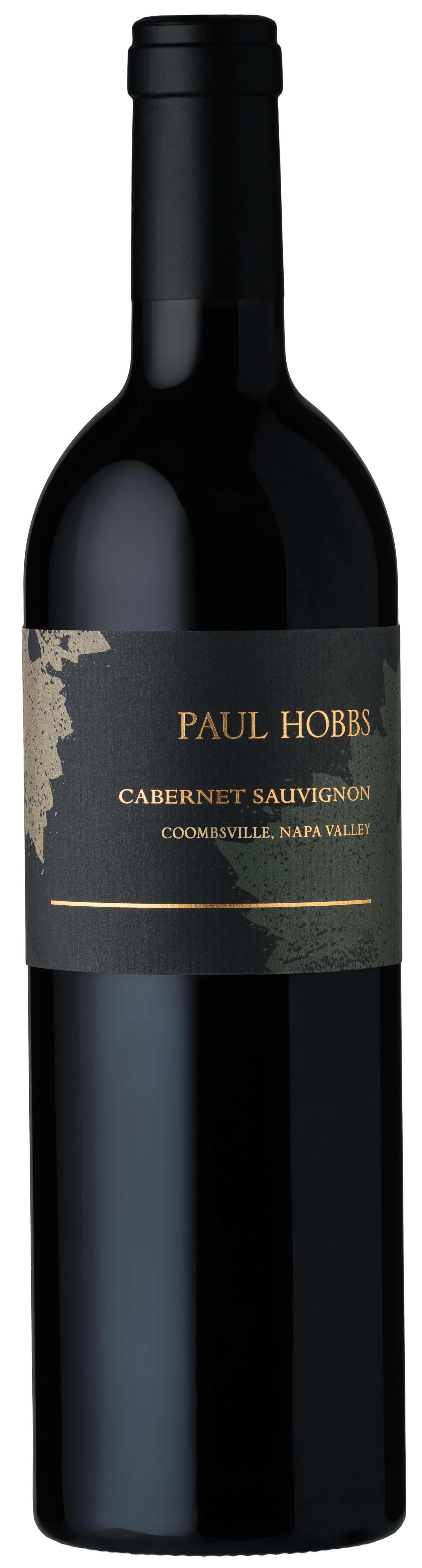
| Country: | United States |
| Regions: | California California (Napa) |
| Winery: | Paul Hobbs |
| Grape Type: | Cabernet Sauvignon |
| Organic: | Yes |
| Vintage: | 2021 |
| Bottle Size: | 750 ml |
Paul Hobbs Coombsville Cabernet Sauvignon is made fro 85% Cabernet Sauvignon, 7% Cabernet Franc, 6% Petit Verdot, 2% Merlot.
Since our inaugural release last year, this wine has quickly become one of the most compelling in their portfolio. Offering a gorgeous deep purple hue, our 2019 captivates with a bouquet of crushed blueberry, summer savory spice, and a delicate tobacco leaf note. The palate is remarkably balanced with well-integrated
tannins and fresh acidity that wraps around boysenberry and black fig along subtle notes of rosemary and a crush rock minerality, which lends tension through the long finish.
Review:
A delicious, layered, chocolate- and cherry-scented wine that entices you from the first sniff and pulls you through a rich palate and a lingering finish. So luscious, balanced, vivid and deep, showing the silky tannins and cool fruit notes of this southern Napa district. Contains 6% petit verdot, 2% cabernet franc and 4% merlot. Aged in 53% new French oak.
-James Suckling 96 Points
A delicious, layered, chocolate- and cherry-scented wine that entices you from the first sniff and pulls you through a rich palate and a lingering finish. So luscious, balanced, vivid and deep, showing the silky tannins and cool fruit notes of this southern Napa district. Contains 6% petit verdot, 2% cabernet franc and 4% merlot. Aged in 53% new French oak. Drinkable now, but best from 2030.
-PinotReport 96 Points
Paul Hobbs Beckstoffer Dr. Crane Vineyard Cabernet Sauvignon is made from 100 percent Cabernet Sauvignon.
Grown on the west side of St. Helena, this distinctive cabernet sauvignon clearly displays its origins with a rich garnet hue and sophisticated aromas of cacao bean, crème de cassis, and sweet tobacco on the nose. Layered, with a superb structure, the wine offers impressions of blueberry coulis, black raspberry, and savory herbs like Herbs de Provence. The weighty mid-palate unveils anise spice and a graphite mineral note that combines with a fresh acidity that extends the long finish.
Review:
Needing plenty of air to show at its best, the 2019 Cabernet Sauvignon Beckstoffer Dr. Crane Vineyard is a sensational, gorgeous Napa Valley Cabernet that delivers the goods like only this region can. Pure Cabernet magic on the nose, with deep blackcurrants, smoked tobacco, lead pencil, and a kiss of spring flowers as well as a beautiful Pessac-Leognan-like scorched earth character, it hits the palate with full-bodied richness, silky tannins, no hard edges, and a great, great finish. It's one of those wines that builds incrementally on the palate and it's only after the second or third sip that you realize how special this wine is. It also offers that rare mix of power and elegance that's the hallmark of all great wines. It needs a couple of hours in the decanter if drinking any time soon. Hats off to Paul Hobbs for an incredible Napa Valley Cabernet Sauvignon.
-Jeb Dunnuck 100 Points
Paul Hobbs ALH Cabernet Sauvignon is made from 90% Cabernet Sauvignon, 7% Merlot, 3% Cabernet Franc.
This wine presents the eye with a magenta hue and a vibrant ruby red rim. The nose offers up an inviting bouquet of ripe red cherry, damp earth, and nuances of fresh violet. The palate is elegantly structured, with harmonious layers of fine-grained tannins and refreshing acidity. As the wine unfolds it reveals a sublime blend of black raspberry, wild thyme and dark cacao, while savory herbal notes add a further intriguing dimensional note. The finish is long and graceful with a touch of graphite—a hallmark of southern Coombsville's cool climate and rocky volcanic soils.
Review:
A cool, composed wine with gorgeous flavors and silky texture, showing blueberries, dark chocolate, pencil shavings, minerals, violets and pomegranate. Full-bodied yet light on its feet, this feels lacy and airy despite lots of depth and concentration.
James Suckling 96 Points
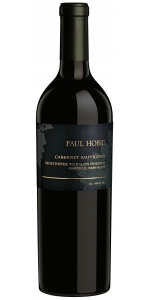
Paul Hobbs Beckstoffer To Kalon Vineyard Cabernet Sauvignon is made from 100 percent Cabernet Sauvignon.
Farmed with a unique precision to match the unparalleled terroir of this historic Oakville site, this vintage is ethereal, delicate, and nuanced. An attractive deep garnet in appearance, this wine expresses soft red cherry, strawberry, floral, and graphite. The palate is full and lively with flavors of blueberry, blackberry, sandalwood, and dried herbs, supported by a lovely grip of tannins and well-tensioned texture that leads to a long, refined finish.
Review:
More expressive and open-knit, the 2019 Cabernet Sauvignon Beckstoffer To Kalon Vineyard sports a similar ruby/purple to go with an incredible array of black raspberry, cassis, flowery incense, orange blossom, smoked tobacco, and exotic spice. As are all To Kolans, it's incredibly perfumed and complex aromatically, and it's one of those wines that changes every time you come back to the glass. Full-bodied on the palate, it offers beautiful richness and depth, a light, graceful mouthfeel, silky tannins, and a heavenly finish. It's another magical wine from this talented winemaker that readers will absolutely love.
-Jeb Dunnuck 99 Points
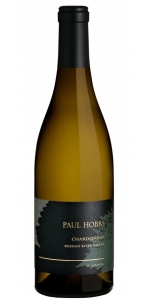
Paul Hobbs Chardonnay Russian River Valley is made from 100 percent Chardonnay.
Crafted with precision from six pedigreed sites comes a wine that beams with pale straw hue. The newest vintage brings wonderful aromatic intensity: candied lemon peel, white florals followed by crisp green apple. A creamy and viscous texture on the palate is buoyed by white nectarine and dried apricot that’s balanced with a vibrant acidity, bringing focus to the wine’s finish that lingers with hints of flinty mineral notes.
Review:
-Wine Enthusiast 95 Points
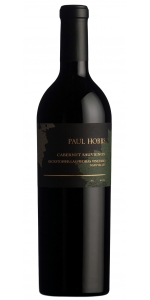
At the foot of Spring Mountain, the vineyard produces soil and mineral-driven cabernet sauvignon with aromas of ripe blackcurrant and damp earth. A dense palate of blackberry and cassis flavors harmonize with intense mineral expressions bolstered by soft, lush tannins.
Review:
Superb aromas of blackberries, currants, crushed stones, conifer and wet earth. Menthol, too. Full-bodied with a dense center-palate, yet it remains agile and persistent. Lovely character and richness at the finish, but not overpowering. Another three or four years will make it better, but already gorgeous.
-James Suckling 98 Points
Paul Hobbs Coombsville Cabernet Sauvignon is made from 100% Cabernet Sauvignon
Since our inaugural release last year, this wine has quickly become one of the most compelling in their portfolio. Offering a gorgeous deep purple hue, our 2019 captivates with a bouquet of crushed blueberry, summer savory spice, and a delicate tobacco leaf note. The palate is remarkably balanced with well-integrated
tannins and fresh acidity that wraps around boysenberry and black fig along subtle notes of rosemary and a crush rock minerality, which lends tension through the long finish.
Review:
With an attention- getting purple-black hue, this astound- ing red is silky but manages to eke out teeth-grabbing, dusty black-tea tannins. A host of flavors, among them graphite, black raspberry, violets, and Worces- tershire, sends a message of intensity. Earth and soil notes are apparent, sur- rounding a mineral component within the wine's deep core.
-Tasting Panel 98 Points
“The true character of a site is only revealed through the work and determination of tending each vineyard with meticulous care and vinifying with minimalist winemaking techniques that fully express the terroir.” – Paul Hobbs
In 1991, pioneering winemaker Paul Hobbs established Paul Hobbs Winery. The Paul Hobbs Katherine Lindsay Estate in Sebastopol, California, purchased in 1998, would later be the site of his Howard Backen designed winery, completed in 2003. The winery exemplifies his vision and dedication to sustainability and his on-going quest to refine the art of winemaking with minimal intervention, yet meticulous care. Our vineyard designate and appellation wines are a pure expression of our interaction with nature and place, featuring Chardonnay (Russian River Valley, Sonoma Mountain), Pinot Noir (Russian River Valley, Sonoma Coast, Carneros) and Cabernet Sauvignon (Napa Valley).
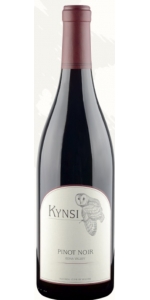
Kynsi Pinot Noir Edna Valley is made from 100 percent Pinot Noir.
The Edna Valley was one of the first registered appellations in California and boasts a rich agrarian history. The coastal terrain features varied soil types that are predominantly marine in origin, with ancient volcanic influences. The unusual transverse ranges allows the appellation to open up to the cooling breezes of the Pacific Ocean from nearby Morro Bay and Pismo Beach. The climate is strongly influenced by the ocean providing ideal, temperate growing conditions for Pinot Noir. Early spring warming, mild summer temperatures and late arriving cold fall temperatures and rain provide a long growing season for the development of rich color with concentrated and complex flavors.
Aged 16 months in French Oak barrels, 25% new.
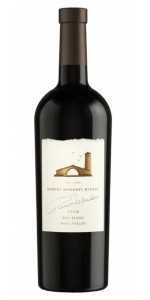
Robert Mondavi Winery Napa Red Blend is made from 74% Cabernet Sauvignon, 13% Cabernet Franc, 9% Merlot, 4% Petit Verdot.
Robert Mondavi’s vision was to elevate Napa to the world stage. In celebration of his achievement, our Napa Tier wines are sourced from distinctive vineyards throughout the Napa Valley and truly emulate a classic Napa Valley style.
Nearly half of this year’s blend is sourced from the deep, well-drained soils of Oakville, which provides gorgeously dark, supple wines with fine tannins. Stags Leap District, Oak Knoll, Yountville, and Rutherford also find their place in the bottle, with the varying mesoclimates and soils of these vineyards integrating seamlessly into a 100% Napa Valley blend.
Review:
"Dominated by 80% Cabernet Sauvignon with smaller percentages of the other Bordeaux red grapes, this wine speaks of heritage and prestige. Broad, silky, and powerful, the graceful liquid is enhanced by dark chocolate, white pepper, black plum, violets, and sweet earth."
-Meridith May, Tasting Panel, January/February 2023 Pts. Tasting Panel
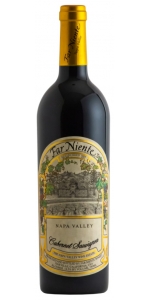
Far Niente Napa Valley Cabernet Sauvignon is made from 88% Cabernet Sauvignon, 6.5% Merlot, 2.5% Malbec, 2.5% Petit Verdot, 0.5% Cabernet Franc.
Beautiful aromas of dark plum, red cherry, licorice and warm baking spices open onto a plush and silky palate layered with plum, spiced cherry and cassis. A classic Napa Valley Cabernet, fine-grained tannins and lively acidity support the wine throughout, while the finish is refined and polished.
Review:
Very precisely polished and focused wine with aromas of black cherries, blue berries and violets followed by green bell pepper, black ink and gravel. Underlying umami notes, too. Full-bodied, firm yet finely grained juicy tannins with bright acidity that balances out the palate. Beautifully integrated toasty notes and baking spices on the mid-palate and in the finish. Flourishing and artful wine that will age gracefully.
-James Suckling 96 Points
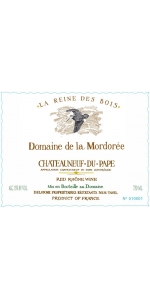
Mordoree Chateauneuf-du-Pape La Reine des Bois is made from 80% Grenache, 10% Mourvèdre, and the rest equal parts Syrah and Vaccarèse .
This premium cuvee - whose name means "Queen of the Woods" - is from 65-year-old vines, planted on Villafranchian-era terrasses. Yield is 30 hl/ha.
Deep ruby red; opaque. Aromas of red fruits change to wooden touches of leather, black truffles and coffee. Fat, concentrated and full flavored with a very long liquoriced and fruity finish.
Review:
The 2022 Châteauneuf du Pape Cuvée De La Reine Des Bois is based on 75% Grenache, 10% each Syrah and 10% Mourvèdre, and the rest Counoise and Vaccarèse. It's not massive yet just exudes class and elegance, with both red and black fruits that give way to more spice, peppery garrigue, and leather, with classic background licorice and black olive notes. Medium to full-bodied, beautifully balanced, and elegant, with silky tannins, this brilliant Châteauneuf du Pape will evolve for two decades.
Number 36 in Dunnuck's Top 100 and 97 Points
"Huge and powerful, but so fresh. This has great driving intensity, with even bigger, more structural tannins than the domaine’s other cuvée. A rampaging Châteauneuf that will take time to settle, and will always be wild. Long, vibrant and chiselled. An absolute beast. Mordorée has been massive but overripe in the past; it's still massive but with this vintage the ripeness is more controlled, and it has transformed into something extraordinary. Fermented and aged 80% in stainless steel, the rest in old barrels. - Matt WALLS"
- Decanter Magazine (September 17th 2023, Part of Châteauneuf-du-Pape 2022: Report and top-scoring wines), 98 pts
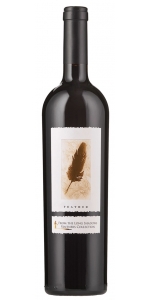
Long Shadows Feather Cabernet Sauvignon is made from 100 percent Washington State Cabernet.
Acclaimed Napa Valley vintner Randy Dunn has a reputation for producing world-class Cabernet Sauvignon. He brings more than four decades of winemaking experience to the Columbia Valley to produce Feather, his only wine made outside of California.
Tasting Notes: Deep crimson colored with pure and expressive Cabernet Sauvignon character. Generous aromas and flavors of dark fruits, violets, coffee and toasted herbs combine with a textured mid-palate to deliver a big, yet focused, wine with polished tannins and persistent finish.
Winemaking: Grapes were hand-harvested at the peak of ripeness, then lightly crushed and fermented in small stainless steel tanks. Once fermentation was underway, the cap was pumped over aggressively to extract color and structure. As fermentation neared completion, pump overs were handled more gently to further extract color and flavors without imparting harsh tannins. The finished wine was aged 22 months in 90% new Vicard French oak barrels (Randy's cooper of choice at Dunn Vineyards as well).
Alcohol: 14.4%
pH: 3.86
TA: 0.58 grams / 100ml
Review:
All Cabernet Sauvignon and a blend put together by Randy Dunn, the 2021 Cabernet Sauvignon Feather is inky purple-hued and offers a brilliant nose of cassis, new leather, graphite, and truffly earth. This rich, spicy, full-bodied Cabernet Sauvignon has terrific purity, a deep, layered mid-palate, and a broad, layered, expansive mouthfeel that keeps you coming back to the glass. Drink this remarkable Washington State Cabernet Sauvignon over the coming two decades.
-Jeb Dunnuck 97 Points
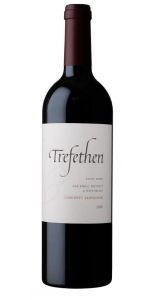
Trefethen Family Vineyards Cabernet Sauvignon is made from 88% Cabernet Sauvignon, 6% Malbec, 6% Petit Verdot .
Dark fruit aromas of plum and black cherry are integrated with savory hints of cocoa, pepper and fragrant herbs. Bright on the palate, concentrated cherry flavors are layered with softer notes of vanilla and forest floor.
This wine pairs well with fatty dishes, which will highlight its fine-grained tannins and herbal notes. Winery Chef Chris Kennedy recommends fire roasted dishes and grilled or braised red meats.
Review:
“A melange of blackberry and cherry flavours imbued with simmering menthol and aromatic anise to amplify. Expansive and generous with spicy oak tannins and a lengthy finish.”
- 2024 Decanter World Wine Awards 95 Points
Dark crimson in color, with deep garnet hues. A concentrated array of aromas of mulberry, blackberry and dark plum indicate the richness to come, while savory and complex notes of charcuterie, cedar, sage and five spice tease the senses. Plush and velvety on the palate, the wine has intense fruit concentration with plum, red currant, blackberry and anise flavors, yet an enchantingly elegant and refined structure. Layers of silky tannins reveal the impressive depth of the wine before giving way to an incredibly long finish.
Review:
A rather refined Hill of Grace with roasted meat, smoked meat, and juicy plums. Some mushroom and forest-flower character, too. It’s medium- to full-bodied, juicy and savory. Light white pepper at the end. Underlying finesse and elegance to this. The flavor does not go away. From biodynamically grown grapes. Drink or hold.
-James Suckling 99 Points
Belle Glos, a passion project of fifth-generation winemaker Joe Wagner (Caymus Vineyards), is famous for its bold, expressive Pinot Noirs. With this Rosé, Joe applies his "Go With Your Palate" philosophy to the world of sparkling wine, creating a unique, uncompromising, and luxurious offering. The inspiration for this wine began over a decade ago in Champagne, when Joe encountered an ancient, bone-dry bottle aged in tirage (on the lees with no dosage), igniting his passion for this pure, traditional style. The resulting Zero Dosage Rosé is a 100% Pinot Noir sparkling wine produced in the Méthode Champenoise (traditional method), capturing the lively elegance of the Russian River Valley.
Zero Dosage is a bold style—it is bone dry, allowing the pure expression of the terroir and the traditional methods to shine without the sweetness of added sugar. To compensate for this lack of dosage, Joe employs intensive winemaking techniques: the base wine is aged in French oak, undergoes malolactic fermentation (for texture), and is a multi-vintage blend. This blending ensures a youthful, vibrant expression is harmonized with complex, aged characteristics, resulting in a sparkling wine with searing acidity, fine bubbles, and a firm mineral backbone that evolves beautifully over time.
This wine is bright and vibrant, with flavors of orange zest, raspberry, bright cherry, and apricot. Its firm minerality and fine bubbles make it a pure, exciting, and refreshing experience.
The wine's searing acidity and bone-dry profile make it an exceptional partner for delicate, rich, or spicy dishes. Pair with Smoked Salmon, fresh oysters, a spicy tuna roll, or the classic combination of roast chicken and goat cheese.
Review:
“This bone dry and razor sharp Brut Rosé displays aromas of tangerine, tart strawberry and melon on the nose, giving way to an acid-driven palate loaded with flavors of mixed citrus, Ranier cherry, and white flowers that linger across the finish.” — Tom R. Capo.
Wine Enthusiast: 92 points



