
" We don't sell the wine without touching the vine "
| BUY MORE! SAVE MORE! | ||||||||||||||||||||
|
| Country: | United States |
| Regions: | California California (Sonoma County) |
| Winery: | Paul Hobbs |
| Grape Type: | Pinot Noir |
| Organic: | Yes |
| Vintage: | 2022 |
| Bottle Size: | 750 ml |
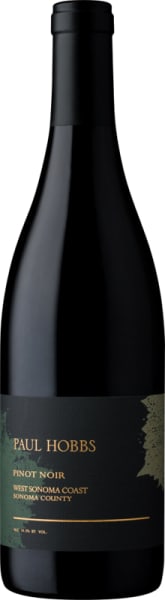
Paul Hobbs West Sonoma Coast Pinot Noir is made from 100 percent Pinot Noir.
Hailing from the newly established West Sonoma Coast AVA,.
Lovely ruby red shades catch the eye, while exotic notes of tart Morello cherry and pungent pine forest swirl with fresh raspberry. Bright, pure fruit carries through on the palate, layered with earthy hints of damp loam and rocky salinity, all backed by the elegant, fine-grained tannins and stylish grip that cool West Sonoma Coast offers at its best.
Review:
-Tasting Panel 97 Points
“The true character of a site is only revealed through the work and determination of tending each vineyard with meticulous care and vinifying with minimalist winemaking techniques that fully express the terroir.” – Paul Hobbs
In 1991, pioneering winemaker Paul Hobbs established Paul Hobbs Winery. The Paul Hobbs Katherine Lindsay Estate in Sebastopol, California, purchased in 1998, would later be the site of his Howard Backen designed winery, completed in 2003. The winery exemplifies his vision and dedication to sustainability and his on-going quest to refine the art of winemaking with minimal intervention, yet meticulous care. Our vineyard designate and appellation wines are a pure expression of our interaction with nature and place, featuring Chardonnay (Russian River Valley, Sonoma Mountain), Pinot Noir (Russian River Valley, Sonoma Coast, Carneros) and Cabernet Sauvignon (Napa Valley).

O'Shaughnessy Estate Napa Valley Cabernet Sauvignon is made from 89% Cabernet Sauvignon, 3% Malbec, 3% Petit Verdot, 3% St. Macaire, 1% Cabernet Franc, and 1% Carmenère.
Blended from our three Estate vineyards in arguably the three best appellations within the Napa Valley: Howell Mountain, Mt. Veeder and Oakville. Howell Mountain gives us structure and ripe red fruit, while Mt. Veeder adds an extra punch of tannins along with savory mineral driven qualities, Oakville balances out the mountains with its silky texture and pure fruit. This Cabernet is deep ruby red with an opaque center. Bold aromas of aged leather, black currant, and rum raisin, creating a layered and complex bouquet. A luxuriously sweet and rich entry, unfolding with ripe blackberry and velvety cocoa powder. The texture is smooth yet structured, balanced by moderate tannins and a medium level of acidity, leading to a long, elegant finish.
Review:
-Jeb Dunnuck 93 Points

The Grade Cellar Kingly Project Cabernet Sauvignon is made from Napa Valley Cabernet Sauvignon.
"This is a noble expression of Cabernet Sauvignon" in full regalia, with decadent aromas and a mouthfeel viscous and sleek. "This vintage of the Kingly Project Cabernet Sauvignon enters the scene" -- Thomas Rivers Brown
Review:
-Vinous 96 Points

Mascot is a small-production label founded by Will Harlan in Napa Valley. The wines under this label are made from the younger vines of Harlan Estate, BOND, and Promontory, but The Mascot bottles share an exclusive preview at the development of their estates. Founded as an initial experiment to see what the young vines were capable of producing, the wines were initially only shared with close friends and family. By 2008, Will officially released the first vintage to the public since production had increased significantly. They create just one wine made from Cabernet Sauvignon, and the bottle is aged for five years before release. Assembled into a single, youthful expression, this wine shares a glimpse into the evolution and pedigree of its parent estates.

The Peumo Vineyard is located 170 m above sea level and extended along the Cachapoal River, on terraces of hills of the Coastal Mountains. The vines come from pre-phylloxera cuttings and are trellised to vertical shoot position and cordon pruned. The soils are deep with an upper layer of clay that retains moisture, which controls the vines’ vigor and growth and allows them to remain active through late May, when the Carmenere is picked.
Deep, dark red with hints of violet. Elegant and mineral on the nose, with notes of blackberry and a touch of blackcurrant. It fills the palate with underlying mature tannins. Deep, concentrated, with a long aftertaste and distinctive hints of the Peumo terroir. This 2018 vintage is characterized by its elegance and freshness; it is a wine with a lot of Carmenere character. Pairs best with elegant but simply prepared dishes such as juicy, rare roast beef, veal, pork tenderloin with roasted beets and cranberries, duck (con t or magret). Also delightful with squash-stuffed pasta with morel mushrooms or aged goat cheese with figs.
Review:
-Descorchados 98 Points

Kosta Browne Sonoma Coast Pinot Noir is made from 100 percent Pinot Noir.
Dark cherry, raspberry, and elderberry intertwine with intriguing hints of fresh basil, and pomegranate. Decadent fruit flavors unfold, showcasing remarkable acidity with dynamic structure and an enduring finish.
Our Appellation Series wines embody our unwavering commitment to exploration and the artistry of crafting soulful, thought-provoking wines that pay homage to the world’s extraordinary terroirs.
The Sonoma Coast is the largest appellation in Sonoma County, strongly influenced by its proximity to the ocean and heavy rainfall—producing more than twice the annual amount of its inland neighbors.
Our Sonoma Coast vineyards span the northern true coastal zone and the southern edge of the appellation. This distinctive blend is made from 11 different clones, fermented in predominantly stainless steel, and aged for 16 months in 38% new oak. The resulting wine has an energetic acidity with cascading layers of black cherry and elderberry, followed by a lasting finish.
Fact of Note: This Sonoma Coast blend was the longest to ferment in stainless steel from our Appellation Series.
Review:
-Decanter World Wine Awards 94 Points

Joseph Phelps Insignia is made of 93% Cabernet Sauvignon, 5% Petit Verdot and 2% Malbec.
The 2019 Insignia opens with heady aromatics of red fruit, crème de cassis, leafy tobacco and delicate dried rose petals. The palate is juicy and dense with expressive layers of blackberry, raspberry, black currant, and dark chocolate. A dynamic wine offering captivating energy, length, complexity and refinement. The 2019 Insignia marks the first vintage to include fruit from the new Joseph Phelps vineyard named El Venadito, located in the Oak Knoll District, just south of the winery’s Yountville Vineyard.
Review:
-Jeb Dunnuck 99 Points

Paul Hobbs Russian River Pinot Noir is made from 100 percent Pinot Noir.
Sourced predominately from the estates that are defined by their proximity to the coast and Russian River climate, the wine displays vivid crimson and aromas of violet, Morello cherry, and black tea. Velvet tannins on the palate ride along a juicy backbone of flavors such as cranberry, Blood orange, and Damson plum. The finish is long, powered behind a crisp acidity and appealing red clay-like minerality.
"Though Paul Hobbs is probably best known for his single vineyard wines, he is clearly no slouch at blending vineyards to make something special. This bottling is rich and deeply extracted, showing black cherry, raspberry, mace, cola and damp earth notes. It’s very lively for all its density, with seductive oak toast notes adding depth. It is already well integrated and promises a long life ahead. 96 Rich Cook"
-Wine Review Online 96 Points

Paul Hobbs George Menini Estate Pinot Noir is made from 100 percent Pinot Noir.
Brilliant ruby red in the glass, the 2022 vintage follows the color with matching aromas of wild mountain strawberry, raspberry, and cherry infused with hints of black tea. On the palate, this wine has the texture of thick satin, evolving seamlessly with subtle energy and pleasant tension. Elegant, fine-grained tannins run through a lingering, juicy finish.
Review:
Wow, a super well-structured, vital wine with oodles of generous black fruit flavors on a firm frame that will help it age well and improve with time. Black cherries, blackberries, blueberries, forest floor nuances and a slight smoky, stemmy character from using mostly Calera-clone grapes, with 15% whole clusters and 30% new French oak. Great interplay between layered fruit and a fresh, crunchy texture. Drinkable now, but best from 2030.
-James Suckling 98 Points & #54 in Top 100

In the far northwest corner of the Sonoma Coast appellation, near the town of Annapolis, the vineyard sits just five miles from the Pacific Ocean, and provides a poignant setting for producing pinot noir with elegance, great precision, and intensity.
Review:
-Jeb Dunnuck 96 Points
-Vinous 96 Points

Merryvale Pinot Noir Sonoma Coast 2022 is made from Pinot Noir.
From the cool, fog-swept vineyards of the Sonoma Coast — including fruit from the celebrated Durell and Sunchase sites — this is Merryvale's elegant, Burgundian-minded take on California Pinot Noir. A mix of Dijon and heritage clones (667, Pommard, 777 and 828) was largely destemmed, fermented with native yeasts, and aged about ten months in roughly 40% new French oak — restraint that lets the fruit lead. Expect a perfumed, silky glass: black cherry, raspberry and dark berry lifted by forest floor, cola spice and a whisper of graham cracker, with bright acidity and fine, polished tannins carrying a long finish. Lovely now and over the next decade.
Winery Info: Merryvale Vineyards was founded in 1983 and makes its home in the historic Sunny St. Helena winery on Main Street — a stone landmark built in 1933 as the first winery raised in the Napa Valley after Prohibition, and the cellar where Robert and Peter Mondavi first made wine with their father, Cesare. The Schlatter family has owned and run Merryvale since the 1990s, today led by René Schlatter. At its heart lies the Historic Cask Room, where two stories of century-old 2,000-gallon oak casks line the walls. Four decades on, Merryvale remains a quintessential St. Helena house.
Review:
A wonderful interplay of brightness and savoriness captures the elegance of wines from the Sonoma Coast. Aromas of crushed red raspberries, sauteed mushrooms and wild blackberries. On the palate there’s red fruit and black pepper, with bright, crunchy acidity and taut tannins. The finish is long, with umami flavors. Medium-bodied. Drink or hold.
-James Suckling 94 Points

Colored in pearlescent pale straw tones flecked with gold, our 2022 chardonnay from Russian River Valley’s cool Green Valley opens with a refreshing swirl of clover and fresh-cut alfalfa laced with spring blossoms around hints of white peach and citrus that open to crisp Fuji apple and warm baking spice. Apple notes carry through in the mouth over complex layers of crème caramel and butterscotch, all lifted with the bright energy of juicy acidity and savory oyster shell minerality. The rich, structured finish is touched with sea salt—the briny tension in elegant balance with a touch of new oak.
Green tint to the light yellow color. A very tight 2022 for this hot vintage, showing tension and focus. Medium- to full-bodied with super integrated tannins that show such length and intensity. It gives a beautiful nod to grand cru Burgundies of yesteryear. Love this. Drink or hold.
-James Suckling 97 Points
Technically from Green Valley of the Russian River Valley, the 2022 Chardonnay Ross Station Estate is a bright yellow green hue and comes from the Hudson Vineyard, which sits on pure Goldridge soils and includes some of the later ripening Calera clones. Aged 18 months in barrel, the wine has a Grand Cru-like richness and layered depth. In the glass, it shows off a wonderful bouquet of candied apple, honeysuckle, lemon oils, and almond. The palate is rounded, with a silky texture and great acidity that propels it through the palate to its long finish with notes of almond. This is an exceptional wine to drink over the next 10-12 years. 460 cases were produced. Drink: 2024-2036.
-Jeb Dunnuck 97 Points

Paul Hobbs Chardonnay Russian River Valley is made from 100 percent Chardonnay.
Crafted with precision from six pedigreed sites comes a wine that beams with pale straw hue. The newest vintage brings wonderful aromatic intensity: candied lemon peel, white florals followed by crisp green apple. A creamy and viscous texture on the palate is buoyed by white nectarine and dried apricot that’s balanced with a vibrant acidity, bringing focus to the wine’s finish that lingers with hints of flinty mineral notes.
Review:
-James Suckling 94 Points

Louis Barruol describes the microclimate of the vineyard Malleval as “very cold” which allows the grapes to retain acidity and showcase the floral aromas of the local Sérine variety. Aromas and flavors of blackberries and wild strawberries are accented by notes of peppercorns, tobacco, peonies, and violets.
Syrah, with its deep flavors and firm tannins, is a natural match for grilled or smoked meat and dishes featuring herbs, roasted mushrooms, and onions. Seared venison or beef with black pepper and thyme or a Moroccan tagine of pigeon or chicken are complimented by the spicy characteristic of Syrah.
Review:
This rich and impeccably balanced Gigondas has everything we look for in the wines of this appellation. What a wide spectrum of aromas with everything from raspberry to candied orange, plus a slew of delicate spicy notes and fresh Mediterranean herbs. I love the interplay of richness, fine tannins and lively acidity on the generous, but not expansive palate. Very long, refined finish. From organically grown grapes. Drink or hold.
-James Suckling 94 Points
Powerful, with steeped plum and cherry coulis merging with potpourri and charred garrigue on a ripe, lush palate. Packs a wall of iron that provides a ballast for the ripe fruit, while refined tannins build in intensity. Long and complex, with a gorgeous expression of place. Grenache, Mourve`dre, Syrah and Cinsault.
Wine Spectator 94 Points

Antonio Camillo Morellino di Scansano 2025 is made from Sangiovese. Morellino is the local name for Sangiovese in the Maremma, and this DOCG red comes from Antonio Camillo, the coastal Tuscan grower celebrated for his native-grape wines near Capalbio since he founded his estate in 2006.
Warmer and rounder than its inland Chianti cousins, this Morellino shows generous ripe cherry and plum, a note of Mediterranean herbs and a gentle earthiness, with smooth tannins and a bright, mouthwatering finish. A genuine crowd-pleaser for the table.



