
" We don't sell the wine without touching the vine "

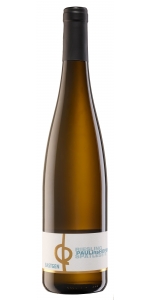
Bastgen Kestener Paulinshofberg Riesling Spatlese is 100 percent Riesling.
Yellow color with green highlights.
Beautiful peach aromas on the nose, rich and ripe fruits on the mouth with a refreshing acidity and honey notes. A very pleasing wine.
They meticulously tend 4.5 ha (11.11 acres) of which 80% is Riesling. The soil is made of slate. Their vineyards are located in Kesten and Brauneberg, on a steep terrace, and planted to 50-year old vines. Fortunately for Bastgen, they own part of the famous Brauneberger Juffer Sonnenuhr. The vines produce very small, ripe berries that are very tasty.
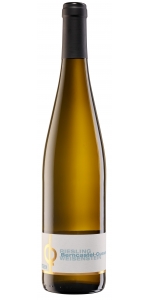
Bastgen Berncastel-Cueser Weisenstein Riesling Spatlese Trocken is made from 100 percent Riesling.
Bright, clean, fresh and zesty. Grapefruit like flavors. Fruity aromas and a nice minerality, typical of the Riesling grape grown on blue slate soil. Round, rich and a very long finish. The grapes for this wine are vigorously selected. Botrytis is not tolerated. At harvest the grapes are fully ripened, have a golden color, and a soft tartness. After a long spontaneous fermentation in a traditional 1000L barrel, the wine just reaches the dry stage. This gives the wine a creamy structure that interplays with ripe yellow and exotic fruit aromas.
They meticulously tend 4.5 ha (11.11 acres) of which 80% is Riesling. The soil is made of slate. Their vineyards are located in Kesten and Brauneberg, on a steep terrace, and planted to 50-year old vines. Fortunately for Bastgen, they own part of the famous Brauneberger Juffer Sonnenuhr. The vines produce very small, ripe berries that are very tasty.
Bastgen Berncastel-Cueser Weisenstein Riesling Spatlese Trocken is made from 100 percent Riesling.
Bright, clean, fresh and zesty. Grapefruit like flavors. Fruity aromas and a nice minerality, typical of the Riesling grape grown on blue slate soil. Round, rich and a very long finish. The grapes for this wine are vigorously selected. Botrytis is not tolerated. At harvest the grapes are fully ripened, have a golden color, and a soft tartness. After a long spontaneous fermentation in a traditional 1000L barrel, the wine just reaches the dry stage. This gives the wine a creamy structure that interplays with ripe yellow and exotic fruit aromas.
They meticulously tend 4.5 ha (11.11 acres) of which 80% is Riesling. The soil is made of slate. Their vineyards are located in Kesten and Brauneberg, on a steep terrace, and planted to 50-year old vines. Fortunately for Bastgen, they own part of the famous Brauneberger Juffer Sonnenuhr. The vines produce very small, ripe berries that are very tasty.
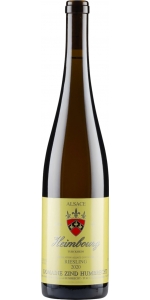
Domaine Zind-Humbrecht Riesling Heimbourg is made from 100 percent Riesling.
Bright yellow color. The nose expresses an immediate sense of strong mineral and limestone influence. After aeration or decanting, it will show eventually bright citrus, bergamot, spices and an expected slight austerity. It is very expressive today, but it is easy to see that this wine still has much more to show in the future. The mouth is tight, dry, showing a bright acidity and elegant finish.
Review:
What a fascinating peachy, flinty and smoky nose this great dry Riesling has. Power, energy and vitality on the generous palate, but also a profoundly chalky and flinty minerality. Long juicy finish that pulls you back for more. From biodynamically grown grapes. Drink or hold.
-James Suckling 95 Points
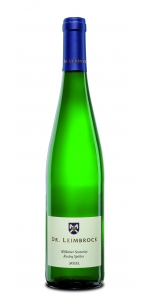
Dr. Leimbrock Mulheimer Sonnenlay Riesling Spatlese is made from 100 percent Riesling.
A classic in the residual sweet range that impresses with filigree fruit and mineral spiciness.
The circulating mountain "Mülheimer Sonnenlay" represents a geographical feature of the Moselle. Due to the strong meandering of the Moselle, the mountain was surrounded by the course of the river in geological development in such a way that a so-called circulating mountain arose from it. Located in the northeast-southwest direction, vines are cultivated on both sides of the mountain. The site name "Sonne" and "Lay" (Mosel Franconian for slate) combines the most important prerequisites for the cultivation of Riesling vines. Soils are skeletal-rich, weathered clay-ish shale enriched with sand, stones, and clay. At the beginning of the 1930s, the Mülheim winegrowers proudly pointed out that the local wine was served in the elegant restaurant of the airship "Graf Zeppelin" on its world trips and was obviously very popular.
Pair with spicy dishes, soft cheese, cakes.

Gessinger Zeltinger Sonnenuhr Riesling Spatlese St. Josef is made from 100 percent Riesling.
The Zeltinger Sonnenuhr Riesling Spätlese St. Josef - formerly know as Josefsberg- was produced from fruit harvested from 120-year-old vines in a prime Rothlay part of the vineyard known locally as Josefsberg, next to the cross of St. Josef - the patron of vineyard growers. Here grow old, ungrafted Riesling vines whose particular small and loose grapes develop a lot of aroma.
It was made from fruit picked at the end of the harvest and was fermented down to sweet levels of residual sugar. It offers a backward nose made of white peach, melon, smoke, herbs, and minerals. On the pleasant racy palate and the wine leaves a beautiful feel of ripe fruits packed into zesty minerals in the finish. The featherlight side of this Spätlese paired with its flavor intensity are simply a thing of beauty. However, during the years this wine will reveal all its facets.
Perfect match to Asian cuisine as well as spicy food.
Older vintage wines have been sourced from a single collectors cellar. Pictures can be requested before shipment.
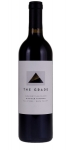
The Grade Napa Cabernet Sauvignon Winfield Vineyard is made from Napa Valley Cabernet Sauvignon.
“This wine expresses a focused balancing act of dark, rich black fruit, and a fine tannin structure, illuminated through the core with a laser-like acidity. The wine displays a deep purple-red hue with a cranberry halo. Aromas of cassis, cinnamon, citrus oil, roasted meat, and lilac swell from the glass.
“The palate is marked by a wave of jet-black brambly fruit up front, followed by an exotic spice mid-palate and a long, complex finish that lasts and lasts expressing notes of flowering jasmine, and oolong tea. The silky tannins hold everything together and will certainly allow this wine to evolve in the cellar for at least 7-10 years.” - Thomas River Brown
Review:
Coming from the Winfield Vineyard in Calistoga, the 2016 Cabernet Sauvignon is another brilliant wine from the hands of winemaker Thomas Rivers Brown. This deep purple-colored effort boasts tons of blueberry and jammy blackberry fruits as well a medium to full-bodied, concentrated, yet elegant style on the palate. It has the purity of fruit that’s the hallmark of the vintage, ripe, sweet tannins, and no hard edges, and is already hard to resist.
-Jeb Dunnuck 94 Points
Hugl Gruner Veltliner (liter) is 100% Grüner Veltliner
This is an intense and concentrated wine offering pleasant citrus and grapefruit aromas, exotic tropical fruits with a hint of freshly ground white pepper. Full-bodied dry wine with a firm mineral backbone.
A firm mineral backbone, gives it the strength of character to work well with many cuisines.



